

Traseo_Official_TrailsTraseo_Official_Trails
6/6
Charakterystyka trasy
2025-06-04

Długość trasy:
618 kmSuma przewyższeń:
0 mSuma spadków:
0 mOcena trasy:
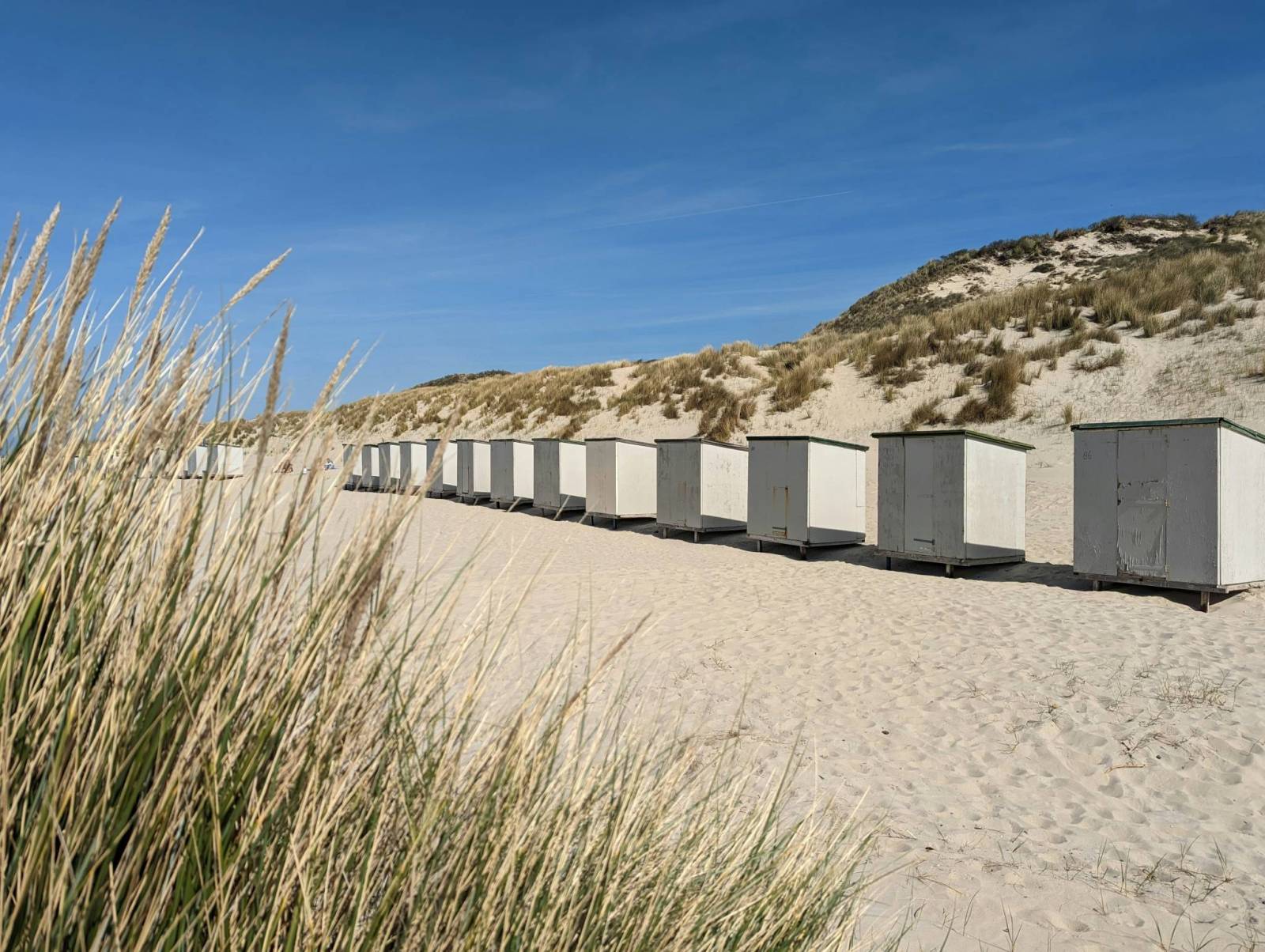
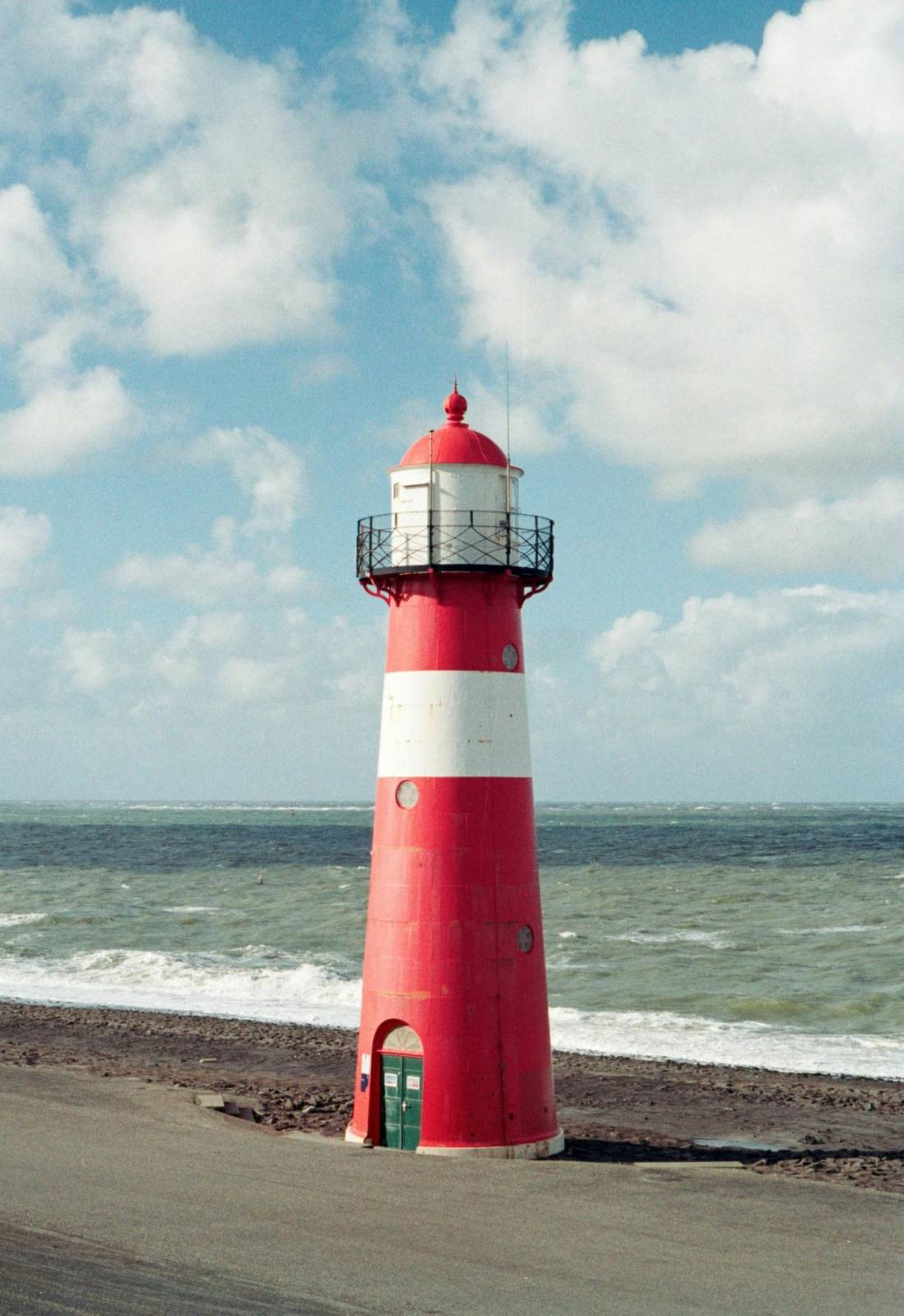
6/6The LF Kustroute is a celebration of Dutch coastal life - a route where the rhythm of the sea, the wind in the dunes and the quiet efficiency of Dutch cycling culture come together in perfect harmony. As part of the EuroVelo 12 (North Sea Cycle Route), the LF Kustroute is both a national treasure and an international cycling experience. It passes through a variety of landscapes, including sandy beaches, dunes and the Wadden Sea's unique mudflats, as well as historic towns, offering a blend of cultural experiences and scenic beauty. It is well-signposted with LF markers, ensuring easy navigation. It offers a mix of terrain suitable for various cycling levels, from leisurely rides to more challenging sections. Whether you are an avid cyclist or an amateur, the LF Kustroute provides an unforgettable journey along the picturesque coastline of the Netherlands.
First from Bad Nieuweschans to Delfzijl (approx. 38 km), then from Delfzijl to Ulrum (approx. 66 km), from Ulrum to Holwerd (approx. 55 km), from Holwerd to Harlingen (approx. 70 km), from Harlingen to Den Helder (approx. 75 km), from Den Helder to Egmond (approx. 54 km), from Egmond to Noordwijk (approx. 62 km), from Noordwijk to Oostvoorne (approx. 66 km), from Oostvoorne to Burgh Haamstede (approx. 57 km), from Burgh Haamstede to Vlissingen (approx. 56 km) and finally from Vlissingen to Cadzand-Bad (approx. 25 km).
Each stage is supported by various accommodation options, cafes and cycling services, allowing riders to easily plan multi-day trips tailored to their preferences, ensuring enjoyable daily rides.
What is the LF Kustroute, and what does it mean?
The LF Kustroute is a long-distance cycling route that stretches along the entire coastline of the Netherlands. Stretching for 630 kilometers, it connects the northe-astern town of Bad Nieuweschans with south-western Retranchement. LF Kustroute stands for “Langeafstand Fietsroute Kustroute”, which means “Long-Distance Coastal Cycling Route” in Dutch. It is part of the national LF (Langeafstand Fietsroutes) network in the Netherlands, which consists of long-distance cycle routes designed for recreational and tourist cycling. It is also a significant segment of the international North Sea Cycle Route (EuroVelo 12), a transnational cycling path connecting eight countries bordering the North Sea.What is EuroVelo 12?
The EuroVelo 12, also known as the North Sea Cycle Route, is one of the longest and most scenic long-distance cycle routes in Europe. It is part of the EuroVelo network, a collection of 17 international cycle routes running through multiple countries. It stretches for approximately 7,300 kilometers and circles the coastline of the North Sea, passing through eight countries: the United Kingdom, France, Belgium, the Netherlands, Germany, Denmark, Sweden and Norway. It offers cyclists an extraordinary journey along diverse range of coastal landscapes, including sandy beaches, rugged cliffs, marshes, historic fishing villages and bustling port cities.How long is the coastline in the Netherlands?
The coastline of the Netherlands stretches for about 450 to 500 kilometers (279 to 310 miles) along the North Sea. This length includes both the mainland coast as well as the coastline of islands. The Dutch coastline is characterized by a mix of sandy beaches, dunes, mudflats, estuaries and tidal wetlands. It plays a crucial role in the country’s geography, culture and economy, and it is also a popular destination for tourism and outdoor activities such as cycling and water sports.What makes cycling in the Netherlands comfortable and safe?
The Netherlands boasts over 35,000 kilometers of well-maintained, smooth and wide bike paths, many of which are physically separated from car traffic. These paths are designed to accommodate cyclists of all ages and abilities, ensuring a comfortable ride across the country. Dutch cities are designed with cyclists in mind. Cyclists can easily combine their journeys with public transportation. Many train stations offer extensive bicycle parking facilities, and bikes are allowed on trains, making it easier to travel around the country. The Netherlands' commitment to cyclist-friendly infrastructure and a strong cycling culture collectively create an environment where cycling is both comfortable and safe for all.What are the stages of the LF Kustroute?
The LF Kustroute can be divided into several smaller, manageable stages, ranging from 25 to 75 kilometers, making it accessible for a variety of fitness levels and trip lenghts. The suggested breakdown of the route consists of 10 stages.First from Bad Nieuweschans to Delfzijl (approx. 38 km), then from Delfzijl to Ulrum (approx. 66 km), from Ulrum to Holwerd (approx. 55 km), from Holwerd to Harlingen (approx. 70 km), from Harlingen to Den Helder (approx. 75 km), from Den Helder to Egmond (approx. 54 km), from Egmond to Noordwijk (approx. 62 km), from Noordwijk to Oostvoorne (approx. 66 km), from Oostvoorne to Burgh Haamstede (approx. 57 km), from Burgh Haamstede to Vlissingen (approx. 56 km) and finally from Vlissingen to Cadzand-Bad (approx. 25 km).
Each stage is supported by various accommodation options, cafes and cycling services, allowing riders to easily plan multi-day trips tailored to their preferences, ensuring enjoyable daily rides.