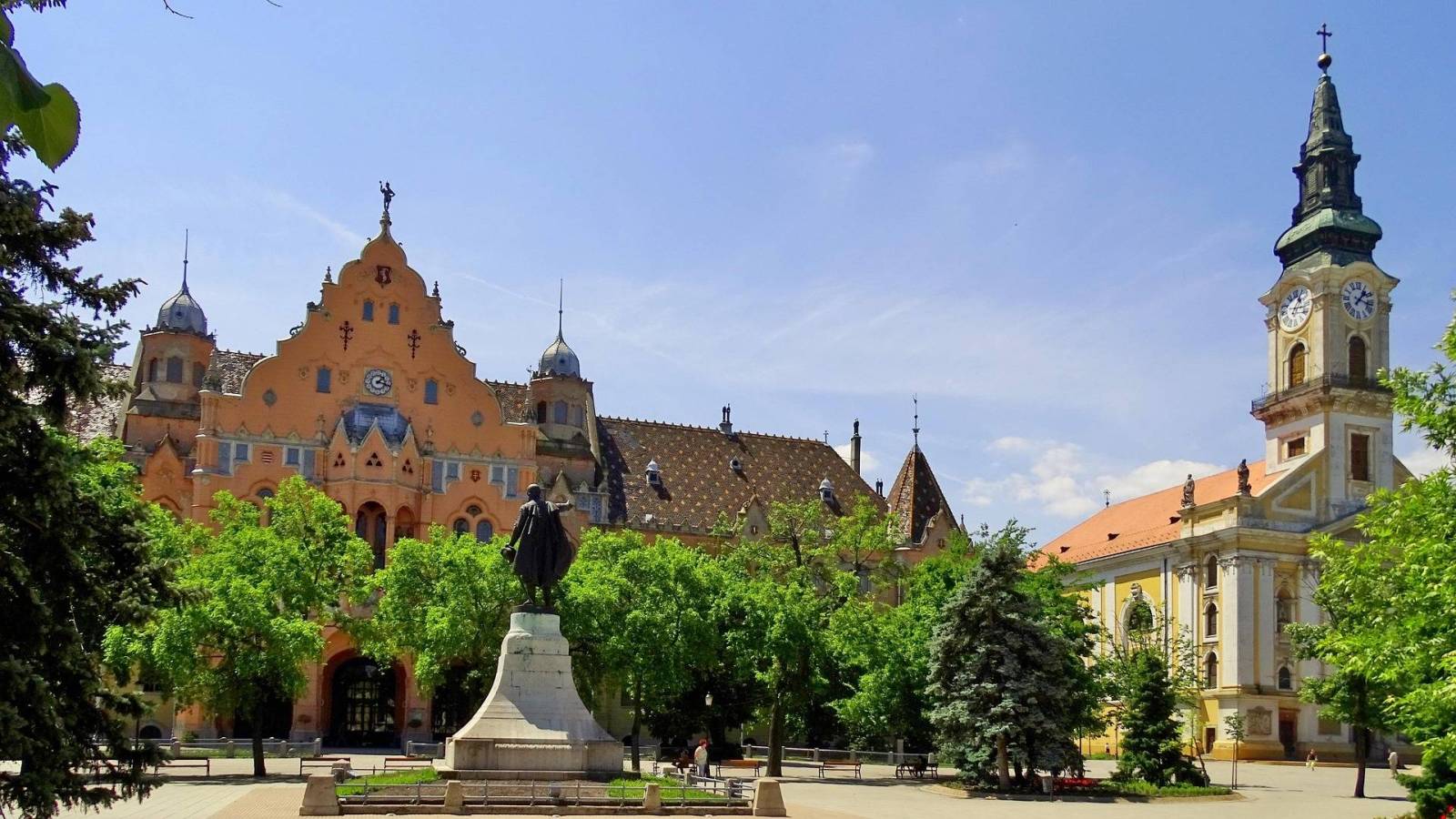
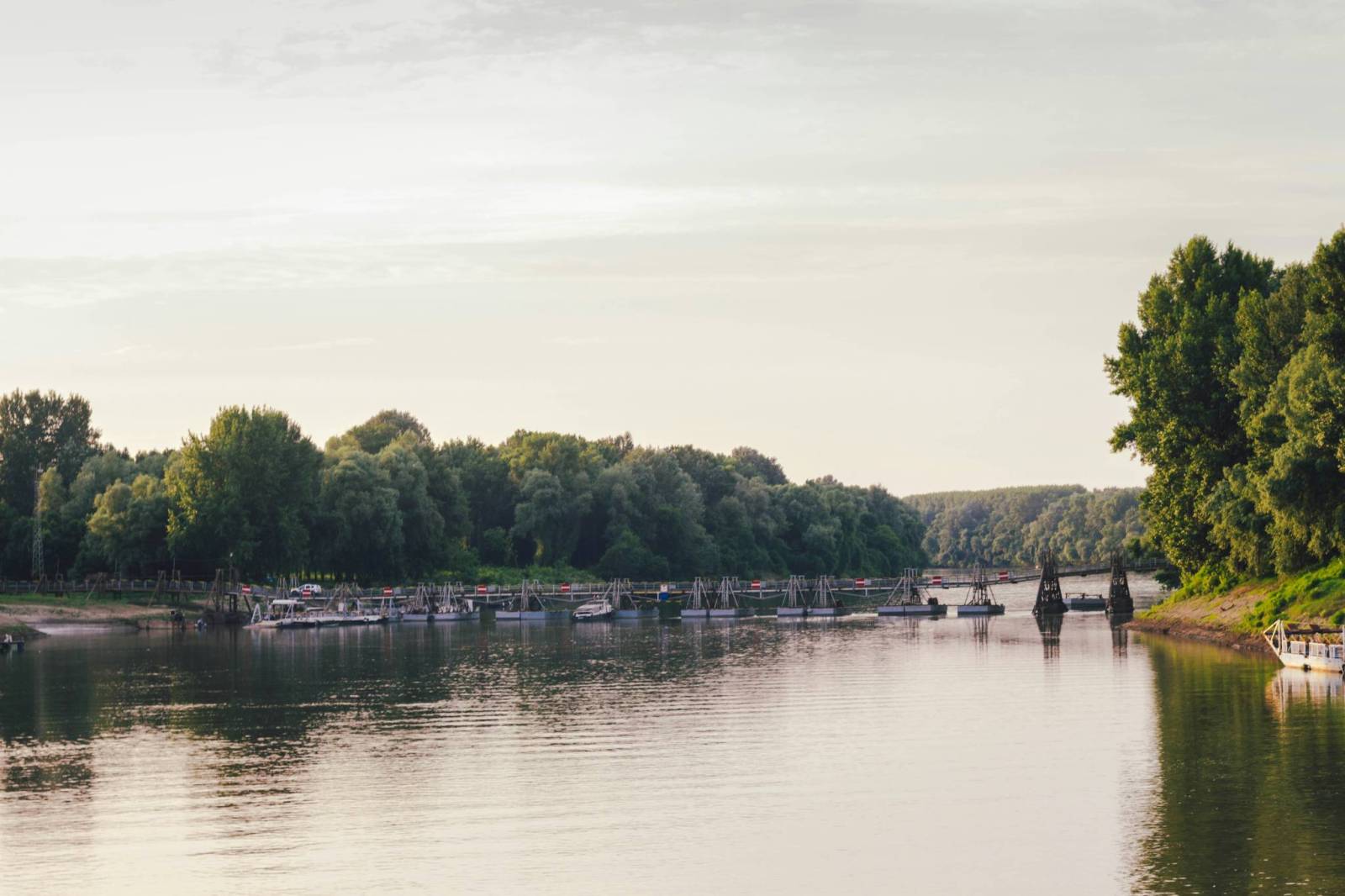
The Hungarian National Cycling Route No. 5 (5. sz. Országos Kerékpáros Útvonal) offers one of the most diverse and rewarding long-distance cycling experiences in the country. Stretching from Gyula, a spa town near the Romanian border, all the way to Lake Velence, one of Hungary’s most beloved holiday destinations. This route isn’t just about cycling, but about connecting with the heart of Hungary. Along the way, cyclists pass through mix of historic towns, quiet villages, open farmland, riverbanks, forests and natural reserves. The trail links cultural heritage with natural beauty and invites travelers to explore everything from medieval castles and thermal baths to birdwatching spots and vineyard-covered hills. Whether you’re looking for a scenic cycling holiday, a cultural adventure on two wheels, or a new way to experience Hungarian countryside, Route No. 5 is a journey worth taking.
How long is entire National Cycle Route No.5?
The Hungarian National Cycling Route No. 5, entire lenght from Gyulavári Kastély in Gyula to Lake Velence is approximately 360 km (about 223 miles). The route is a mosaic of dedicated cycle paths, quiet rural roads, busier roads and a few loose or sandy sections, especially near small towns. The route passes through numerous small towns, ensuring frequent access to shops, cafes and water, which is highly convenient for multi-day touring. We especially recommend a touring bike or gravel bike with 32-40 mm tires, ideal for managing loose surfaces or short gravel sections. However, be prepared for occasional, busier road segments and minor terrain changes.
How long does it take to complete the entire National Cycle Route No. 5?
Depending on segment type and your personal pace, compliting the entire National Cycling Route No.5 may take from 2 to 6 days. More experience and ambitious, wll-trained cyclists, can complete the route in 2 days, covering 180 km each day. For a more balanced and comfortable journey, covering 90-120 km per day will take 3 to 4 days. For a more relaxing trip, ideal for sightseeing and enjoying stops, it is passible to complete it in 5 to 6 days without rushing. Personalize these estimates based on your endurance, comfort level, group dynamics, and time constraints.
Is Hungary good for cycling?
Hungary has invested heavily in cycling infrastructure over the last decade and many new, dedicated cycle paths have been constructed. Cycling is also deeply ingrained in daily life, especially in Budapest, where the MOL Bubi bike-share network operates over 200 stations with approximately 2,460 bicycles, making city cycling both accessible and convenient. Tourist infrastructure for cyclists is also developing rapidly, nearly 700 certified “cycling-friendly” service providers offer essentials like bike rentals, lodging, repairs, cafés and water refill stations. Whether you're looking for a lakeside circuits, longer routes along iconic EuroVelo paths, or convenient city rides, Hungary has plenty to offer.
Is it Lake Velence worth visiting?
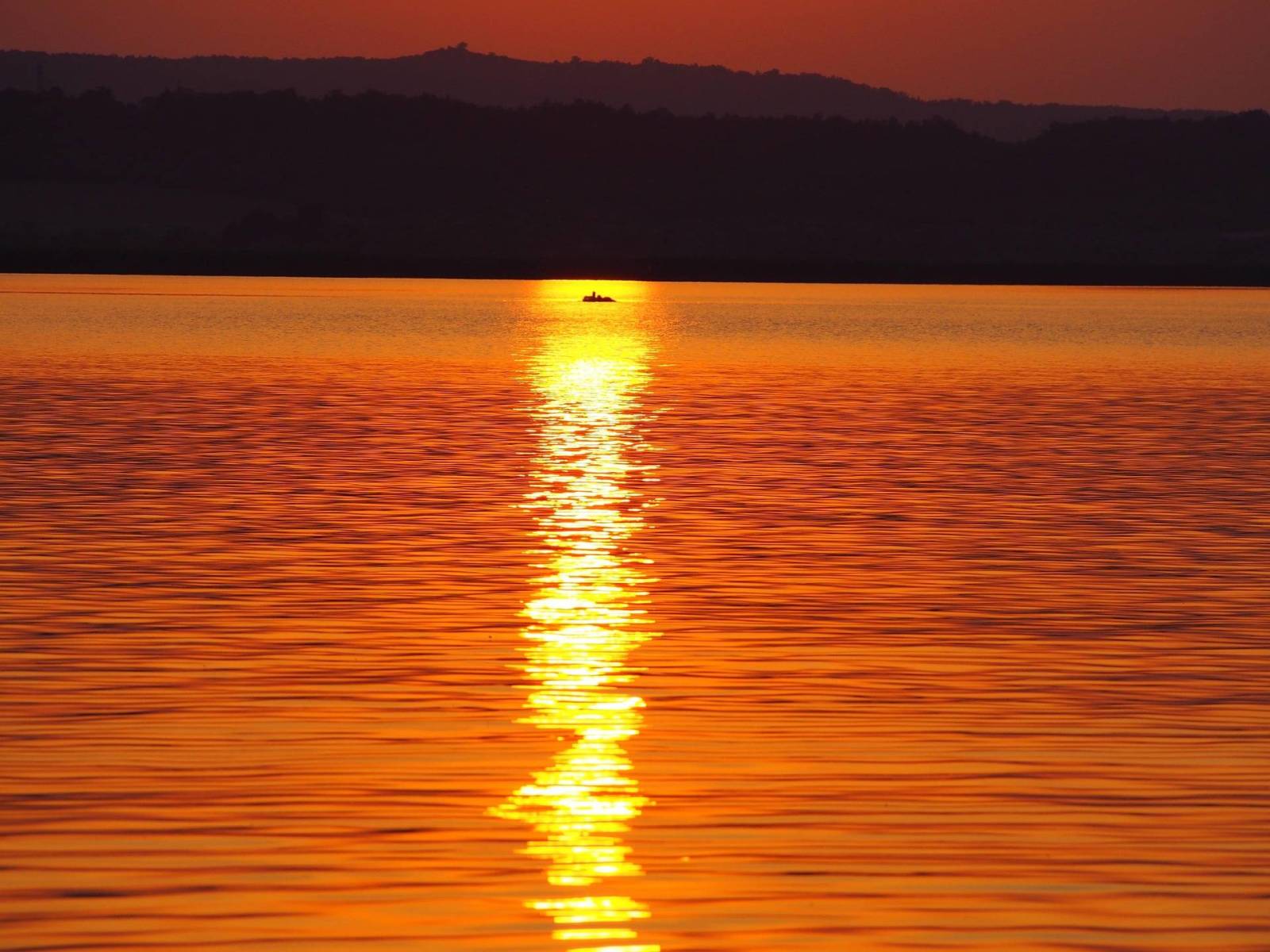
Lake Velence is one of Europe’s warmer natural lakes. In warmer months it warms up to 26‑28 °C, making it ideal for swimming and relaxing on sandy beaches. The Lake Velence Bird Reserve and “Madárdal” (Bird Song) trail offer opportunities to spot species like spoonbills, grebes and rare migratory waterfowl. Dinnyés Castle Park (mini museum of ruined castle models), Halász‑palace cultural center, Pákozd Military Memorial Park, Arboretum and Wildlife Park in Sukoró region. Thermal spa in Agárd with its healing water, pools and saunas, great especially after a day of cycling. So if you are looking for a restorative trip with a mix of leisure, sightseeing, nature and light activity, Lake Velence is the perfect choice.
What attractions are there along the route?
The National Cycling Route No.5 offers many attractions, such as:
Gyula
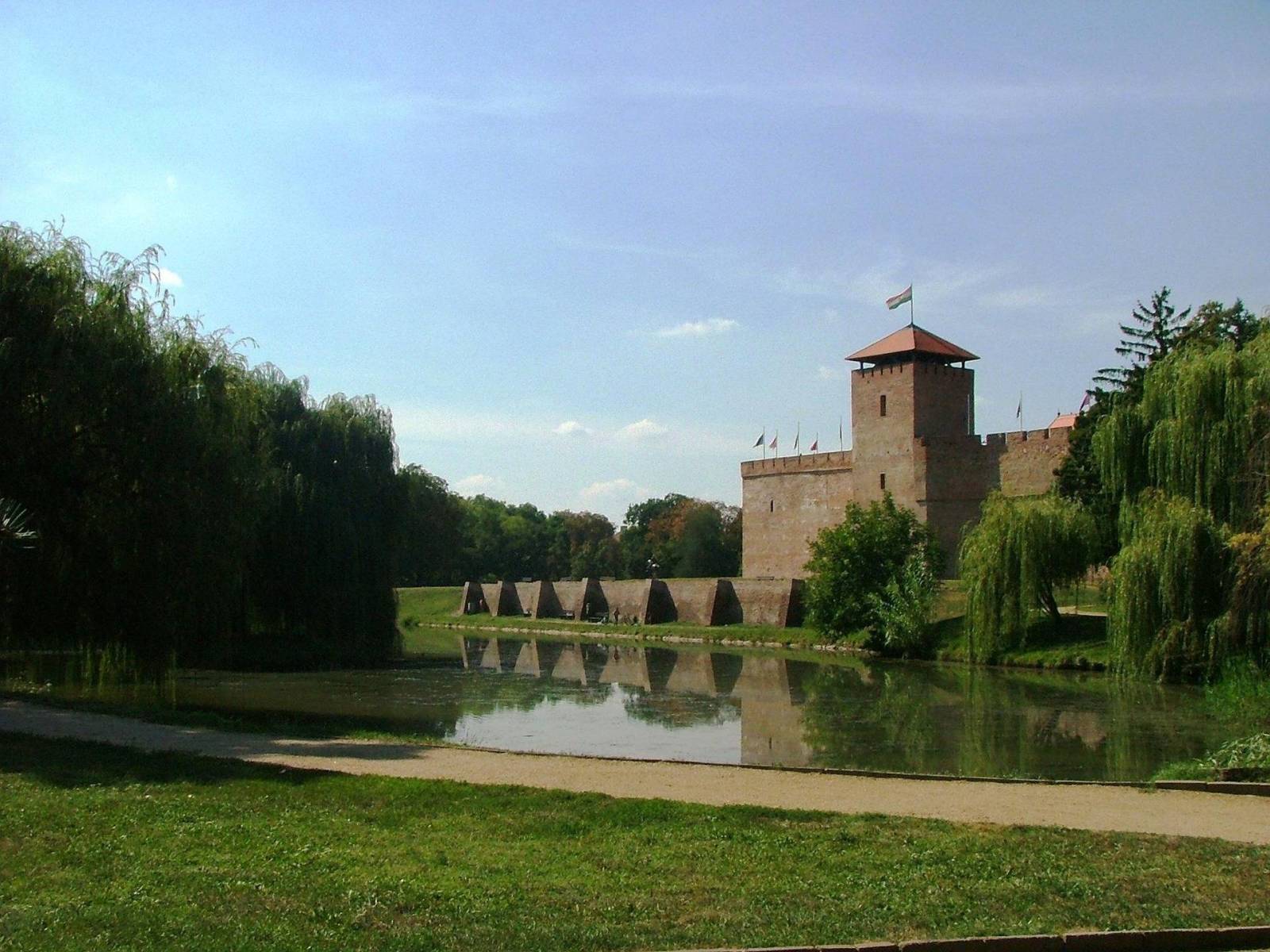
Gyula Castle - A well-preserved medieval fortress dating back to the 15th century, Gyula Castle is renowned for its Renaissance architecture and historical significance.
Gyula Thermal Bath - Known for its medicinal waters, the Gyula Thermal Bath offers a range of wellness services, including thermal pools, saunas and spa treatments. It's a perfect spot for relaxation after a day of sightseeing.
Gyomaendrőd
Gyomaendrőd Thermal Bath - This thermal and wellness complex offers both outdoor and indoor pools, physiotherapy services and peaceful surroundings, making it a perfect place to recover after a long day of cycling.
Aranka Doll Museum - This charming museum houses hundreds of dolls dressed in traditional costumes, as well as vintage toys, making it a delightful visit, especially for families or anyone interested in folk culture and childhood artifacts.
Vidovszky Béla City Gallery - Displays works by local artists, with both permanent and changing exhibitions, offering insight into the regional art scene and how local heritage influences contemporary creativity.
Dunaújváros
Intercisa Museum - This museum holds one of Hungary’s richest Roman‑era archaeological collections, with artifacts from the Bronze Age, Celtic treasures, through to medieval, early modern and 20th-century history.
The Roman Stone‑Repository and Roman Baths - Visitors to the museum can also explore the Roman relics like the Mithras relief and other stone artefacts, that provide a tangible connection to the region's Roman past and its importance in antiquity.
Székesfehérvár
Ruins of the Royal Basilica - Once the coronation church and burial place for Hungarian kings, the medieval basilica’s ruins are now an evocative archaeological site where you can see elements like sarcophagi (including that of Saint Stephen) and chapel grounds.
Cathedral Basilica of St. Stephen the King - A Baroque basilica built in 1777, with beautiful interiors, relics of Hungary’s first King, and a prominent role in the spiritual life of the city.
Main Street (Fő utca) - This pedestrian zone offers a pleasant stroll through charming historic facades in Baroque and Neoclassical styles, dotted with cafés, shops and small museums.
Lake Velence Region
Chernel István Bird-watching Building in Agárd - This facility provides opportunities for birdwatching, allowing visitors to observe a variety of waterfowl in their natural habitat.
Bence-hegyi Lookout Tower - This 20-meter-tall lookout tower offers panoramic views of Lake Velence, the Vértes Hills and even Lake Balaton. It is a favorite spot for photography, especially during at sunrise and sunset.
Halász Castle (Kápolnásnyék) - A newly renovated early 20th-century building, now serves as a cultural center, hosting a variety of events and exhibitions, contributing to the region's cultural landscape.