

Traseo_Official_TrailsTraseo_Official_Trails
6/6
Charakterystyka trasy
2025-05-15

Długość trasy:
388 kmSuma przewyższeń:
686 mSuma spadków:
715 mOcena trasy:
6/6The River Seine (La Seine à Vélo) route is a long-distance cycling route that stretches for approximately 390 kilometers, runing from Paris to Le Havre, along the course of the beautiful Seine River. The route leads cyclists through historic towns and villages, peaceful countryside, Impressionist landmarks, and UNESCO World Heritage Sites. Offering an unforgettable journey, with many famous, worth seeing monuments, art and nature through the heart of Northern France, you are guaranteed a uniquely French experience.
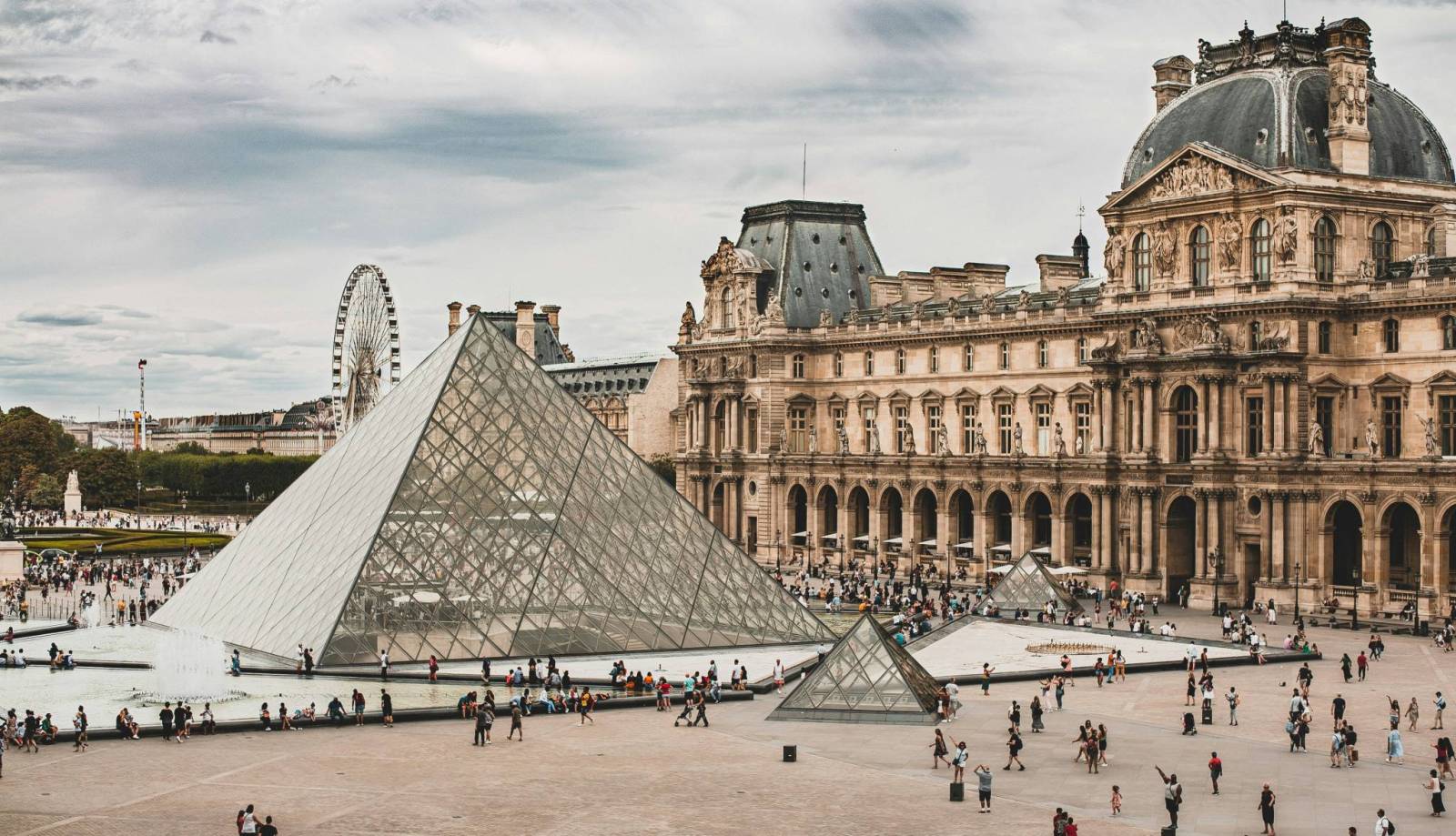
Starting in Paris, cyclists can enjoy the city's green spaces along the Seine river. One of the best places to visit is the Jardin des Plantes garden, which offers shaded paths and peaceful settings perfect for cycling breaks. The route also passes next to the Île Saint-Louis island, providing picturesque views of the river and the city skyline.
Near Paris, in Chatou, cyclists can explore the island's charming streets and visit the Musée Fournaise, once a popular restaurant and gathering place for artists, now an art museum.
One of the highlights of the route is the village of Giverny, where Claude Monet lived and painted. Cyclists can visit Monet's house and garden, famous for its water lilies and Japanese bridge that inspired many of his masterpieces.
Then, in Les Andelys, cyclists can explore the ruins of medieval castle Château Gaillard, set above the Seine river, and enjoy panoramic views of the surrounding valley and vineyards.
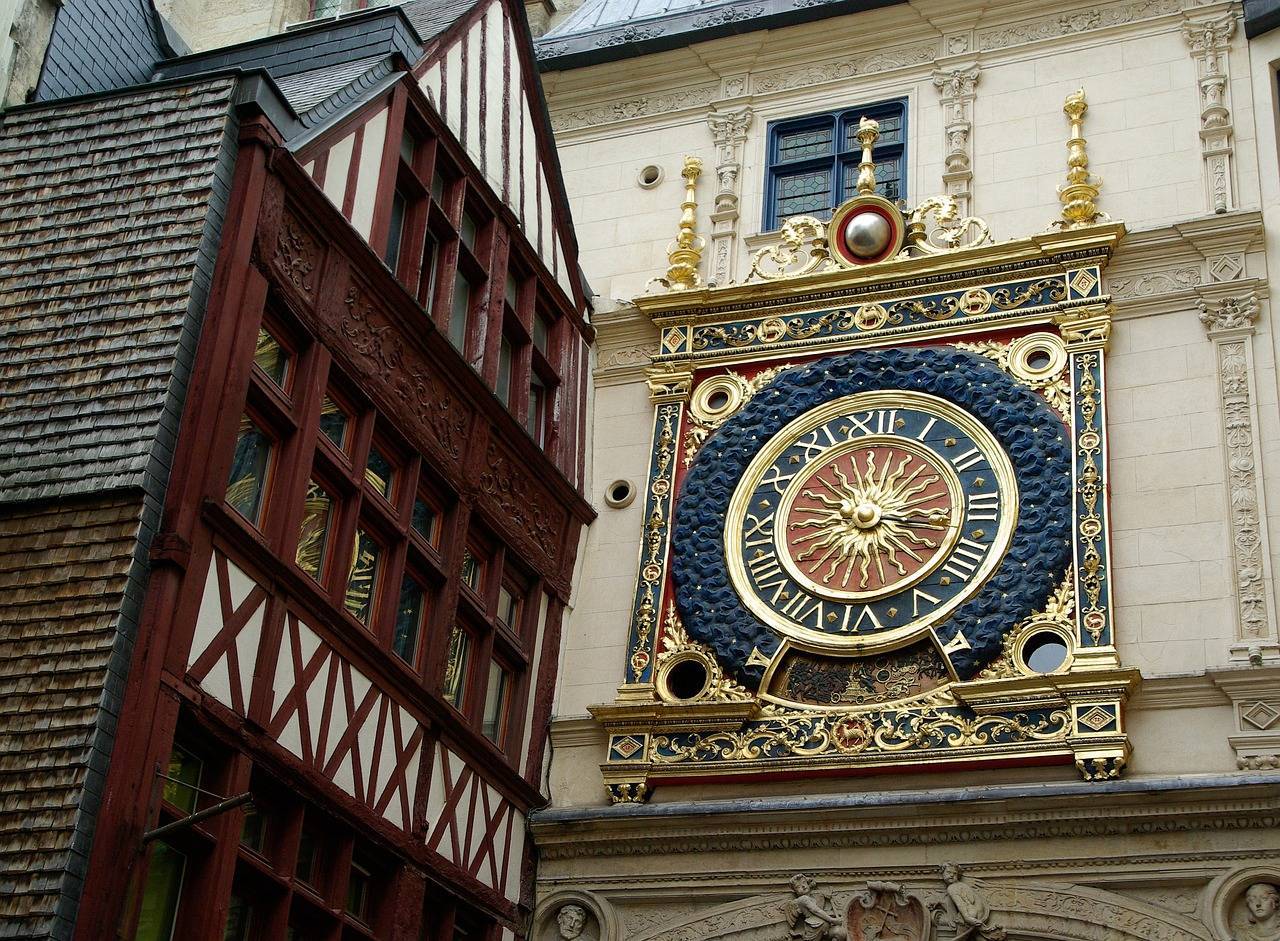
Later on the route is the city Rouen, which boasts a wealth of historical and architectural landmarks. It has a beautiful historic city center, Rouen Cathedral, famous for its three towers in a completely different style, Rouen Castle and the Gros Horloge, a Renaissance clock tower, are must-see attractions.
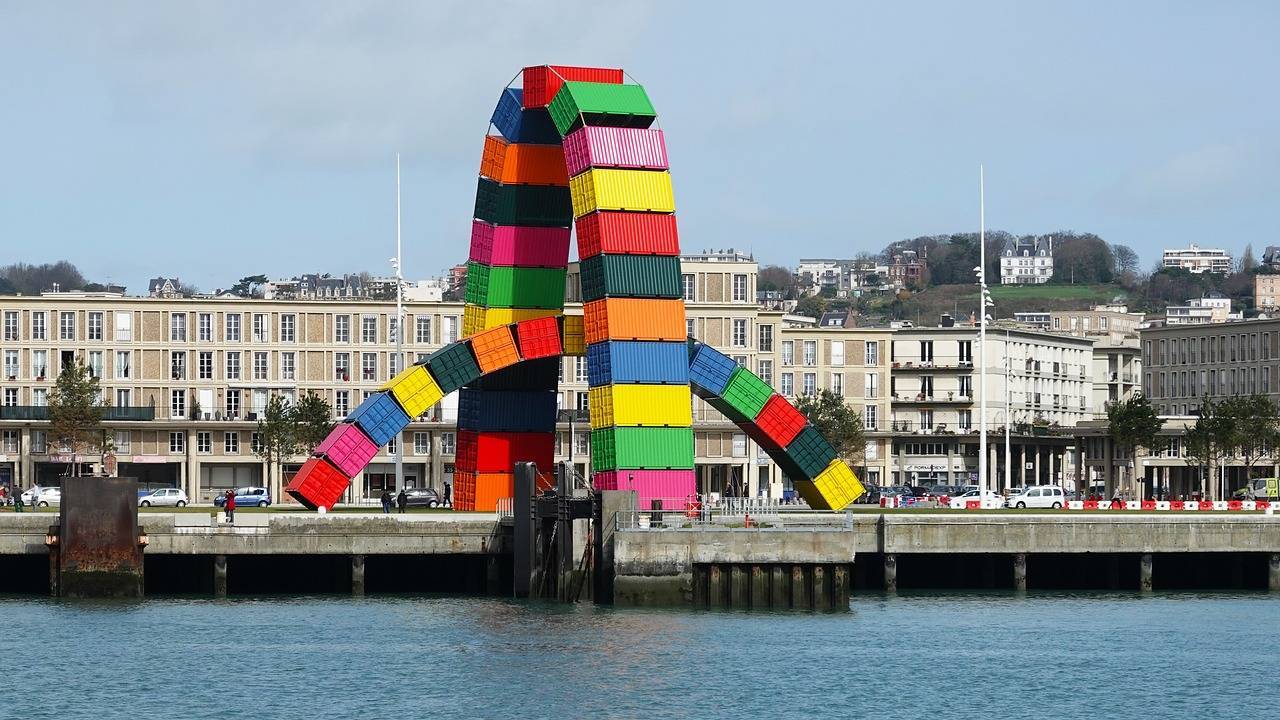
The route ends in Le Havre, an unforgettable last stop for many cyclists. The Le Havre's city center was reconstructed after World War II and is now listed as a UNESCO World Heritage Site. While here, a must see is the Museum of Modern Art André Malraux - MuMa, which houses one of the largest collections of Impressionist paintings (works by Monet, Boudin, Pissarro, Renoir, and others), reflecting the region’s strong connection to the movement. Le Havre's long pebble beach and seaside promenade are the perfect places to end and relax after long journey.
How long is the entire route?
The River Seine cycle route, also known as "La Seine à Vélo", stretches for approximately 390 km. The route starts in Paris, follows the Seine river and ends in the major port city of France, Le Havre. This cycle route was officially initiated in 2020 as part of the national cycling network. It offers a scenic journey through the Seine Valley, following the meanders of the winding Seine, combining beautiful views of the natural landscapes and commercial waterway with the cultural and historical attractions of France.How long does it take to complete it?
The time required to complete the La Seine à Vélo cycle route varies depending on individual cycling pace, daily distance and the number of rest days included. At a more leisurely pace, the route can be completed in about 10–12 days, covering around 35–40 km per day, making it ideal for families with children or those looking to explore towns and attractions along the way. At an avrage pace of 50–60 km per day, this route can be completed in around 7–9 days, which is a more balanced approach that includes sightseeing and relaxed breaks. For very experienced cyclists, this route can take up to 4–5 days, covering 80–100 km daily. The La Seine à Vélo cycle route is very flexible and allows cyclists to divide it into sections that suit their individual preferences, fitness level and interests.Is the route fully signposted and safe for cyclists?
The River Seine - La Seine à Vélo route is well signposted, but some sections may require additional preparation due to variety of terrain and infrastructure. The route is marked with characteristic signs featuring the official route's logo and number 33. These signs are usually placed at key junctions and intersections, making navigation easier. However, in certain sections, particularly in central Paris and the Hauts-de-Seine area, signage may still be incomplete. Cyclists are advised to download GPX trac or use digital maps to navigate these parts effectively. The route runs mainly on dedicated bike paths and low-traffic roads, which increases the safety of cyclists. However, some sections may include gravel paths or singletrack trails, which can be challenging for cyclers without suitable equipment. The route often changes river banks, which means that you have to cross it on bridges or footbridges, that are mainly intended for cyclists. Cyclists can also use free, small ferries known as "bacs" to cross the Seine river. These ferries run regularly and are an integral part of the route, offering a unique experience.Is the route difficult, and is it suitable for children or people with lower fitness levels?
The River Seine - La Seine à Vélo route has been designed to be accessible and enjoyable for cyclists of all abilities, including families with children. The route runs mainly on flat terrain along the Seine River, making it suitable for less experienced and younger cyclists. Most of the route consists of bike paths and low-traffic roads, providing a safe environment for cyclists. However, it is important to note that some sections may include gravel paths or singletrack trails, which may be challenging for cyclists without proper equipment. Sections passing through urban areas like Paris can be challenging due to traffic, but these are relatively short and can be completyed with proper planning and awareness. In addition, the route offers numerous attractions and rest areas along the way, providing opportunities for sightseeing and relaxation, while also offering a pleasant and manageable cycling experience for families and beginners.What are the most interesting places and cultural attractions along the route?
The route passes through picturesque villages, historic towns and scenic riverside, providing cyclists with an unforgettable journey through one of the most beautiful regions of France.Starting in Paris, cyclists can enjoy the city's green spaces along the Seine river. One of the best places to visit is the Jardin des Plantes garden, which offers shaded paths and peaceful settings perfect for cycling breaks. The route also passes next to the Île Saint-Louis island, providing picturesque views of the river and the city skyline.
Near Paris, in Chatou, cyclists can explore the island's charming streets and visit the Musée Fournaise, once a popular restaurant and gathering place for artists, now an art museum.
One of the highlights of the route is the village of Giverny, where Claude Monet lived and painted. Cyclists can visit Monet's house and garden, famous for its water lilies and Japanese bridge that inspired many of his masterpieces.
Then, in Les Andelys, cyclists can explore the ruins of medieval castle Château Gaillard, set above the Seine river, and enjoy panoramic views of the surrounding valley and vineyards.
Later on the route is the city Rouen, which boasts a wealth of historical and architectural landmarks. It has a beautiful historic city center, Rouen Cathedral, famous for its three towers in a completely different style, Rouen Castle and the Gros Horloge, a Renaissance clock tower, are must-see attractions.
The route ends in Le Havre, an unforgettable last stop for many cyclists. The Le Havre's city center was reconstructed after World War II and is now listed as a UNESCO World Heritage Site. While here, a must see is the Museum of Modern Art André Malraux - MuMa, which houses one of the largest collections of Impressionist paintings (works by Monet, Boudin, Pissarro, Renoir, and others), reflecting the region’s strong connection to the movement. Le Havre's long pebble beach and seaside promenade are the perfect places to end and relax after long journey.