The Pyrenees Coast to Coast bicycle route (Véloroute V81) is one of the most scenic and diverse bicycle routes in France, passing through the foothills of the Pyrenees. It is about 629 kilometers long and connects two seas: the Atlantic and the Mediterranean.
Route, attractions
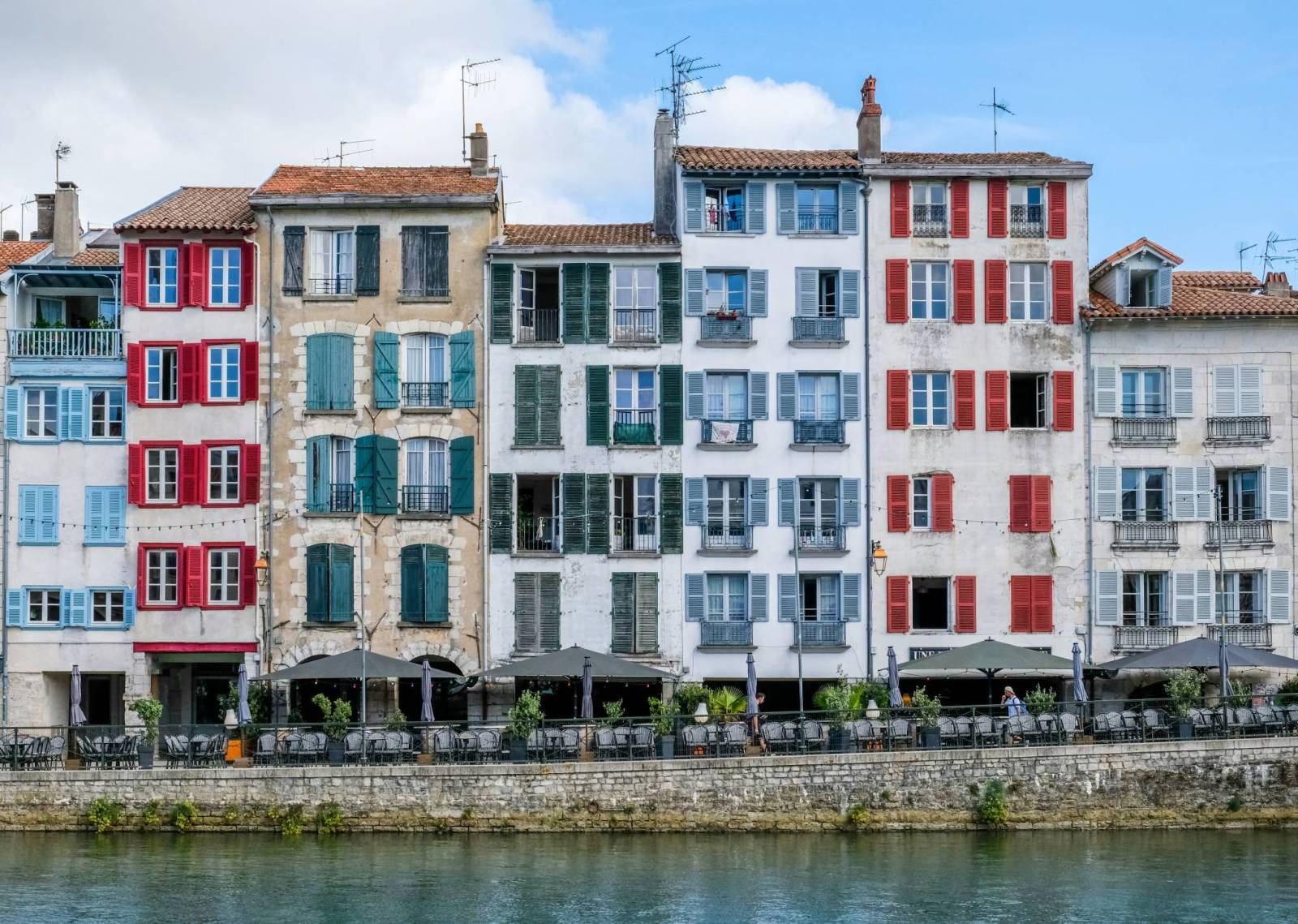
The route begins in the charming seaside town of Bayonne, where it is worth stopping to experience the atmosphere of French Basque, see the old town and local markets. The initial leg takes you through gentle, green countryside to Salies-de-Béarn, a spa town known for its salt springs and peaceful atmosphere. This section is technically easy and great for a warm-up.
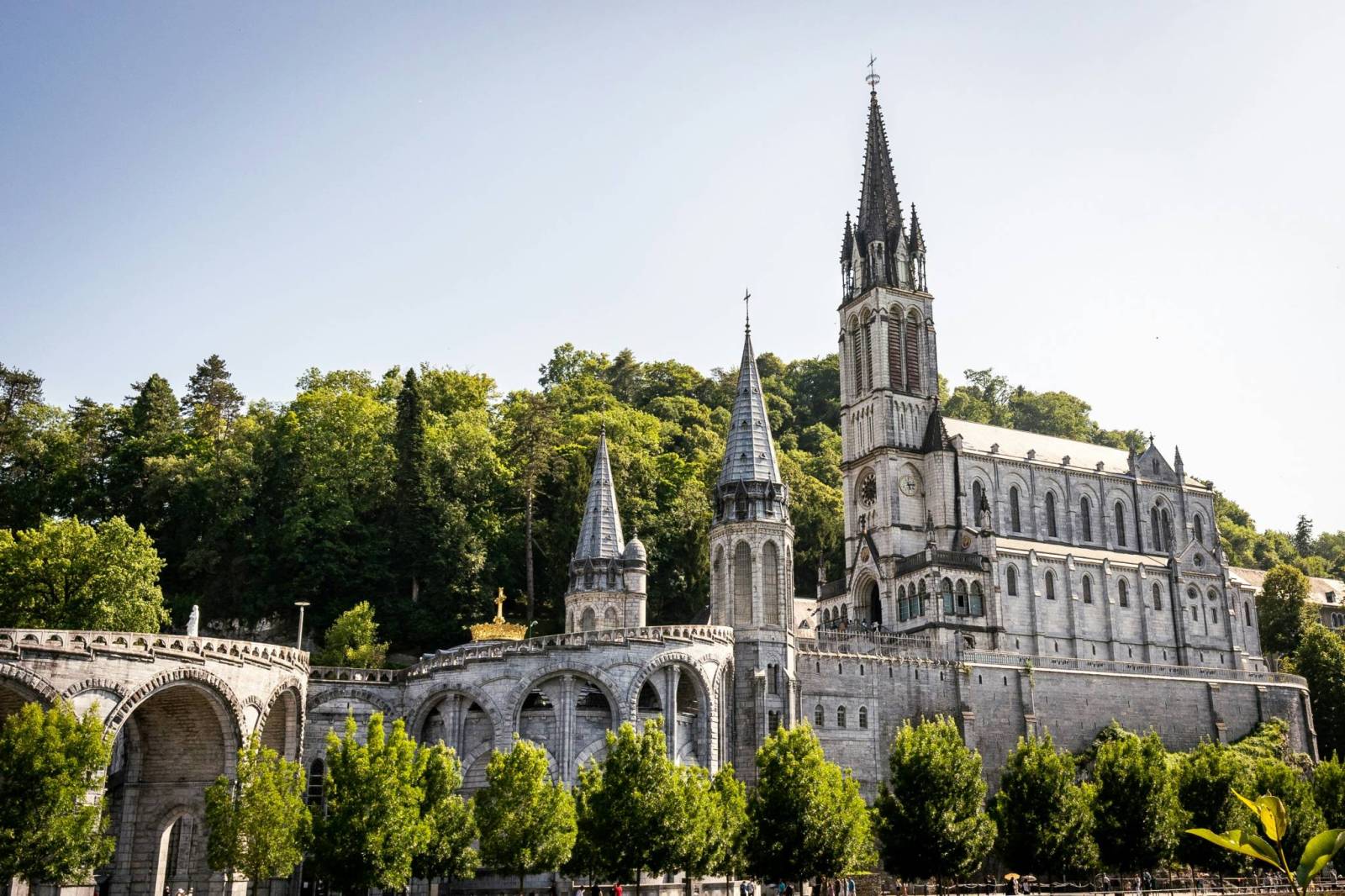
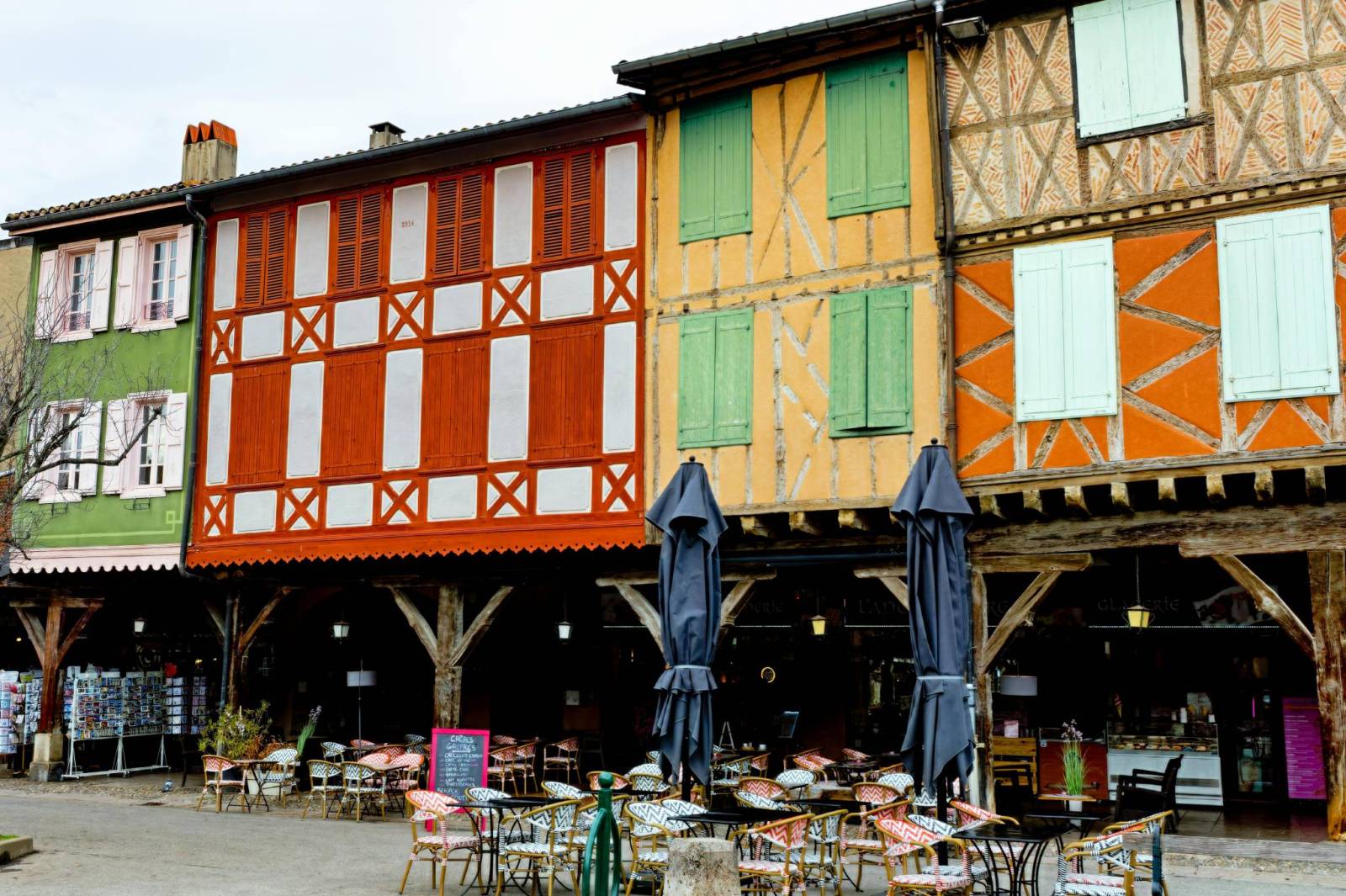
The route continues through Pau - a town with a beautiful panorama of the Pyrenees, also known for its Tour de France history - all the way to Lourdes, one of the world's most famous pilgrimage sites. This section is a bit more challenging, with the first climbs, but the roads are of good quality and safe, often leading through quiet side roads. The most mountainous and also spectacular section stretches between Lourdes and Saint-Girons. The route passes through mountain passes, valleys and smaller villages, with beautiful views and numerous natural attractions. One of the points of interest is Rennes-les-Bains, where you can take a dip in the thermal springs, and the mysterious Bugarach, which attracts lovers of conspiracy theories and mysticism. Although the climbs are pronounced, the gradient of the ascents is relatively gentle (average 2.5%, maximum 6%), which allows you to overcome them with satisfaction rather than difficulty. The next stage leads from Saint-Girons to Mirepoix and Quillan. This is part of a route of great historical and cultural value. Mirepoix impresses with its medieval architecture and colorful markets, while the Galamus Gorge is one of the most spectacular parts of the entire route - the narrow road carved into the rock offers dramatic views and requires some caution, but is worth every effort. The changing landscape - from mountainous to more Mediterranean - foreshadows the last part of the journey. From Quillan, the route gradually descends toward the Mediterranean, passing the vineyards of the Languedoc-Roussillon region and the gentler hills. Finally, it reaches Le Barcarès, a seaside resort where you can take a dip in the sea and relax on the beach after an intense adventure.
Surface conditions along the route
Approximately 75% of the route is on low-traffic paved roads, and the remainder is on well-maintained bike paths and railroad tracks. Some sections may be unpaved, so a trekking or gravel bike is recommended.
Route signage
The route is marked as V81, but the markings may be incomplete in some places. It is recommended to use offline maps or GPS navigation to avoid getting lost.
Accommodation options and supply points along the route
A variety of lodging options are available along the route, from campgrounds to guesthouses to hotels. It is a good idea to book accommodations in advance, especially during the summer season, to ensure a place to rest. Larger towns offer stores and restaurants, but access to them may be limited in mountainous areas. It is advisable to stock up on water and provisions, especially before longer stretches without infrastructure.