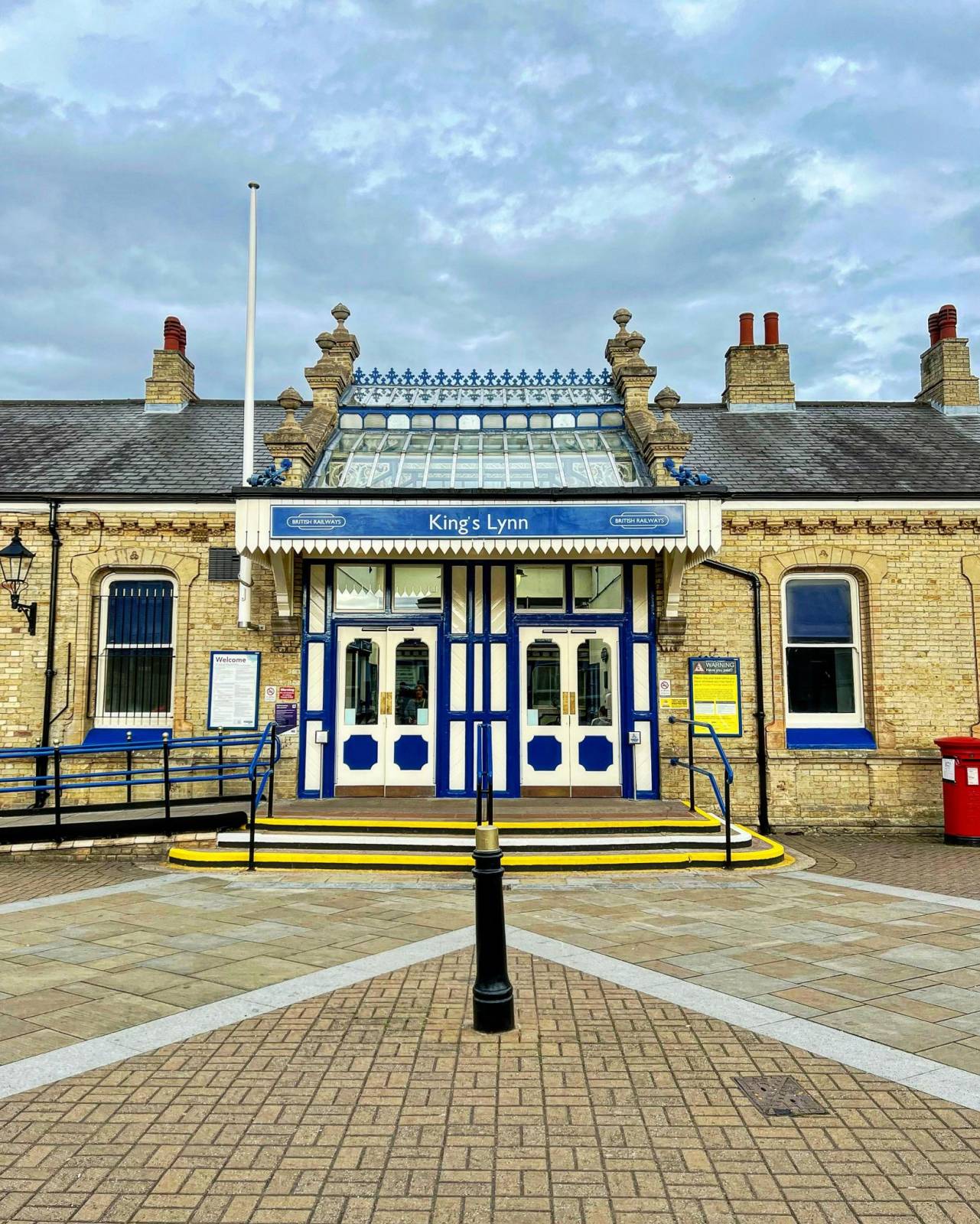
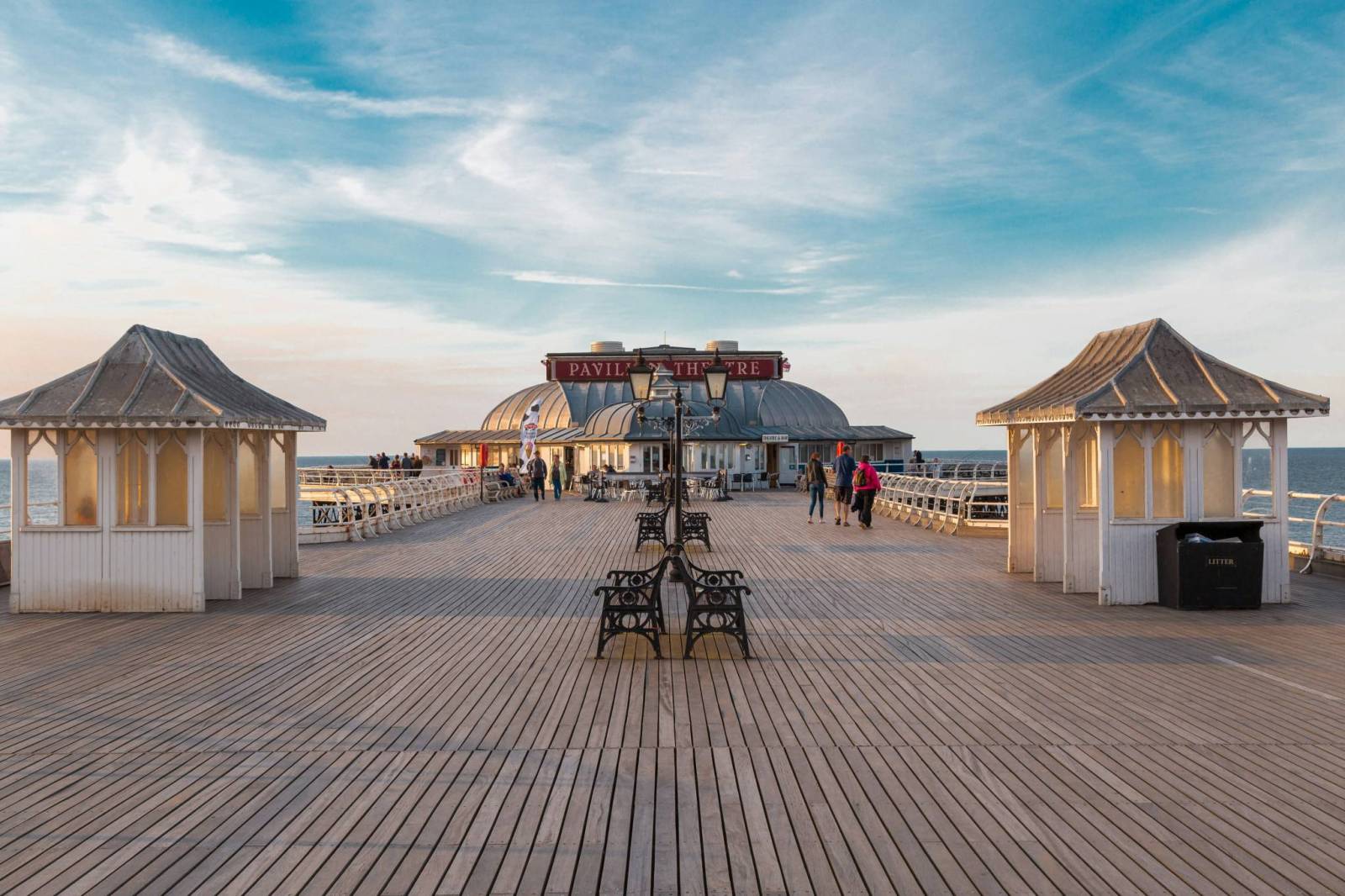
The Norfolk Coast and Rivers route offers cyclists showcases the county's richness of coastal beauty, tranquil rivers, historic towns, and abundant wildlife. The starting point of the route is the port and market town of King’s Lynn, with a rich heritage dating back to the 12th century. The route then takes in beautiful seaside towns such as Cromer, Lowestofr, and Wells-next-the-Sea, offering sandy beaches, traditional piers and fresh, delicious seafood. It also offers journey through unique heathland, tall pine trees, alongside a network of rivers and lakes, diverse flora and variety of wildlife. The route runs mainly follows quiet roads and dedicated cycle paths, ensuring a safe and enjoyable experience, although the terrain is generally flat with some mild challenges in some sections. This cycle route is a great choice for your cycling adventure across Norfolk.
Is Norfolk a bike-friendly region with good cycle routes?
Yes, Norfolk is a bike-friendly region of the United Kingdom. It offers a wide range of stunning views, from sunny coastlines, charming countryside to peaceful woodlands. Cycling always takes place on accessible cycling routes, suitable for cyclists of all skill levels, allowing you to explore the area independently at your own pace. It is also worth mentioning that in this region the Norfolk County Council provides detailed information on various cycling routes and path, including GPX files for GPS devices. So if you need more information about the region or any part of the route, you can visit their official website.
How long is the route, and how long does it usually take to complete it?
The Norfolk Coast and Rivers route is approximately 372 kilometers. This circular route encircles the picturesque Norfolk region of England. More experienced cyclists can complete this route at a faster pace in around 4 days, but it is recommended to do it in 7-8 days to allow for more free time to explore the region, including the beautiful countryside and picturesque coastal areas, and see some of the attractions along the way. The route is mostly flat and paved, making it accessible for cyclists of all skill levels.
What is the difficulty level of this route, and is it manageable for most cyclists?
The Norfolk Coast and Rivers cycling route is considered to be of medium difficulty. The route is well signposted, mostly flat, with a few gentle climbs and some gravel and sand sections that may be more challenging. The route can also be demanding due to adverse weather conditions, where wind and rain can significantly impact comfort and progress. Another challange is that some areas of the route have limited rest areas and facilities, requiring cyclists to be self-sufficient for longer periods. So with waterproofs, sunscreen, sufficient supplies and proper preparation most cyclists will find the route enjoyable and manageable, while providing a rewarding long-distance cycling experience.
How many rivers are there in Norfolk, and which one is the longest?
Rivers and lakes are an integral part of the Norfolk's landscape, ecology and recreation, most of them are navigable and form a network of rivers and lakes that are popular for boating and wildlife observation. There are almost 40 rivers in Norfolk, the three prominent rivers are: the Bure, the Yare and the Waveney. These rivers, along with others such as the Ant or the Chet, contribute to Norfolk's rich aquatic landscape. The longest river in Norfolk is the River Bure, which flows for approximately 80 kilometers into the North Sea at the town of Great Yarmouth.
What makes the Norfolk Coast special and is it worth visiting?
Stretching for around 145 km, the Norfolk Coast boasts a diverse landscape that includes sandy beaches, saltmarshes and rolling countryside. This diverse terrain provides excellent walking and biking trails and bird-watching opportunities. There are two National Nature Reserves in the area - Blakeney Point and the Winterton Dunes. Along the way, visitors can visit medieval ports, fishing villages, seaside towns and historic churches, very often offering insights into the region's past. The Norfolk Coast combines natural beauty, cultural heritage and a peaceful atmosphere, making it a destination worth visiting.