

Traseo_Official_TrailsTraseo_Official_Trails
6/6
Charakterystyka trasy
2025-04-27

Długość trasy:
628 kmSuma przewyższeń:
0 mSuma spadków:
0 mOcena trasy:
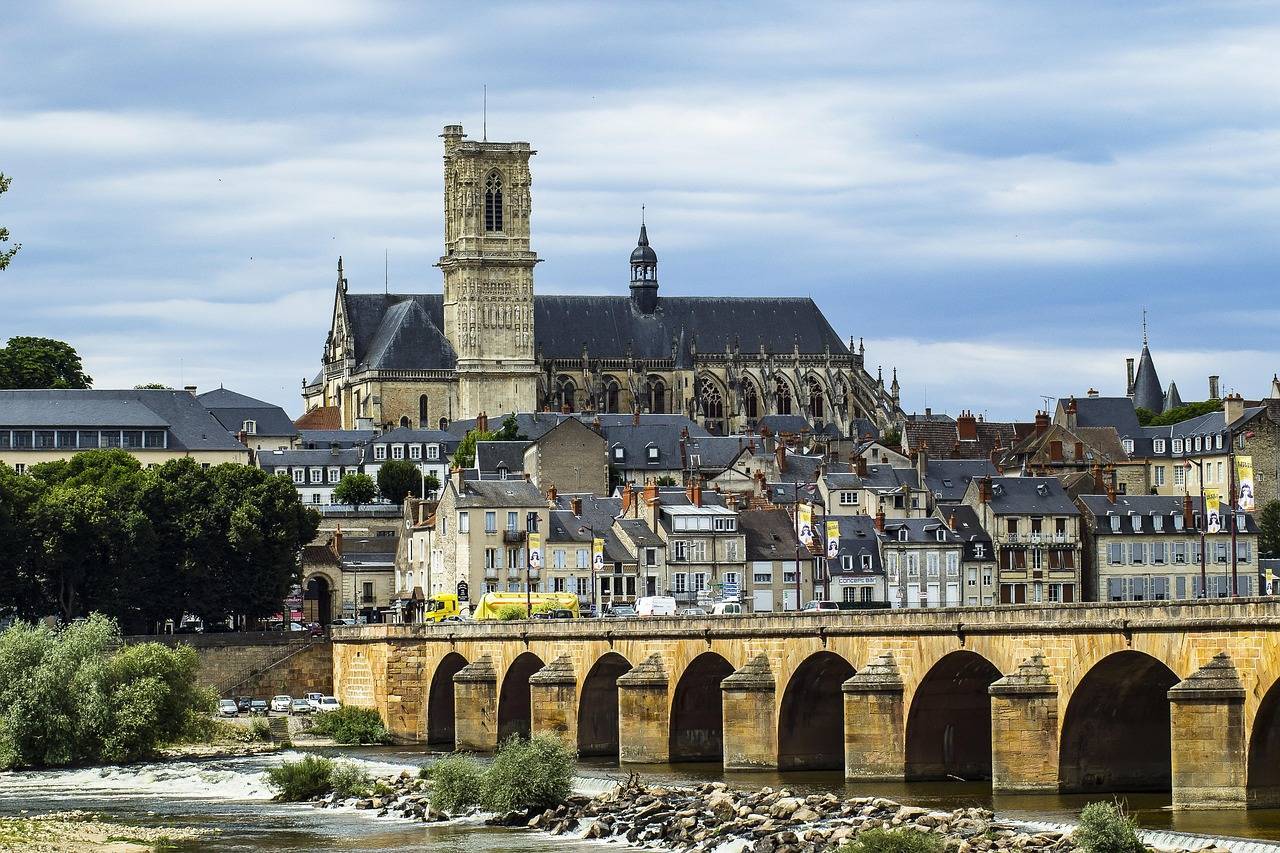
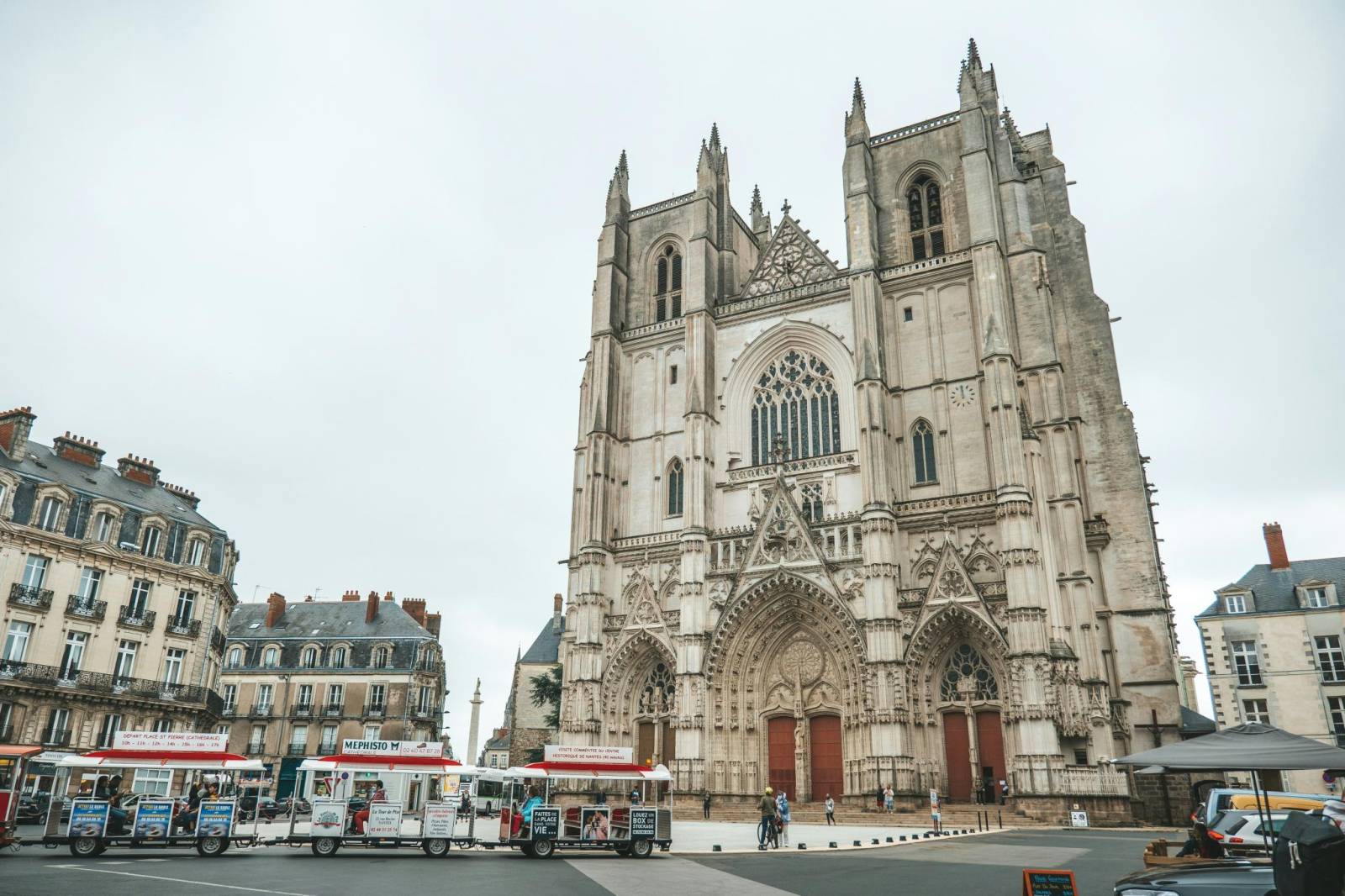
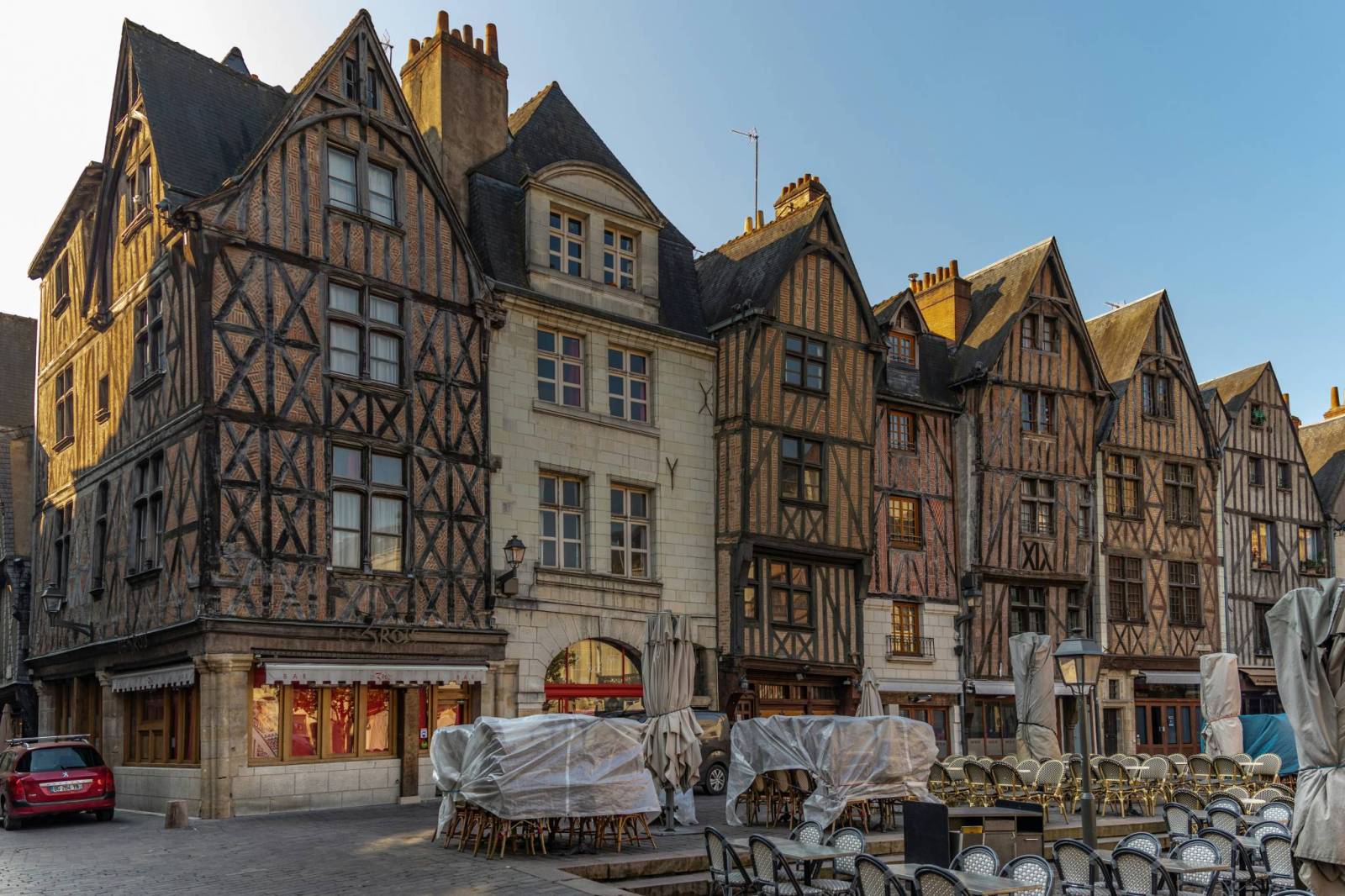
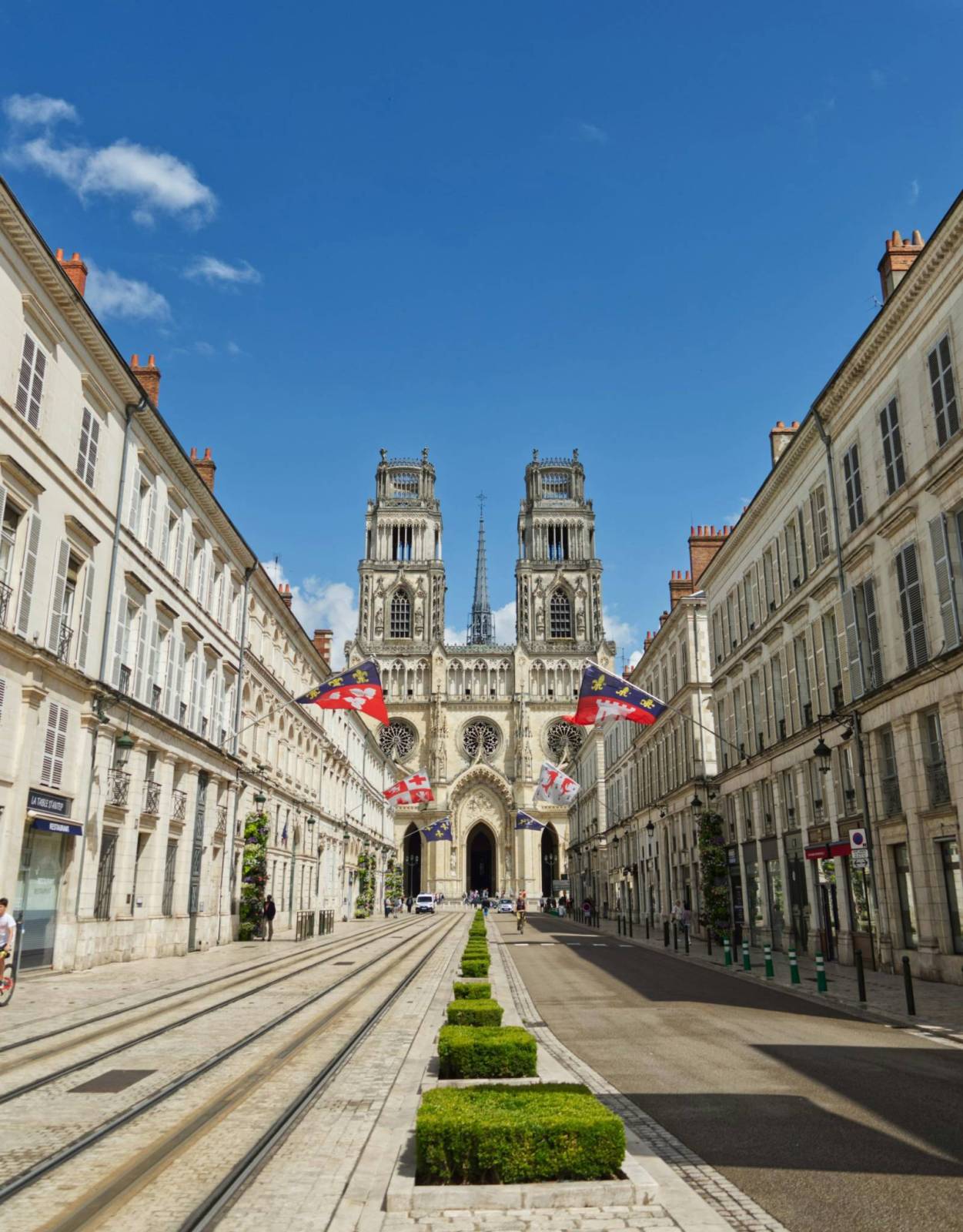
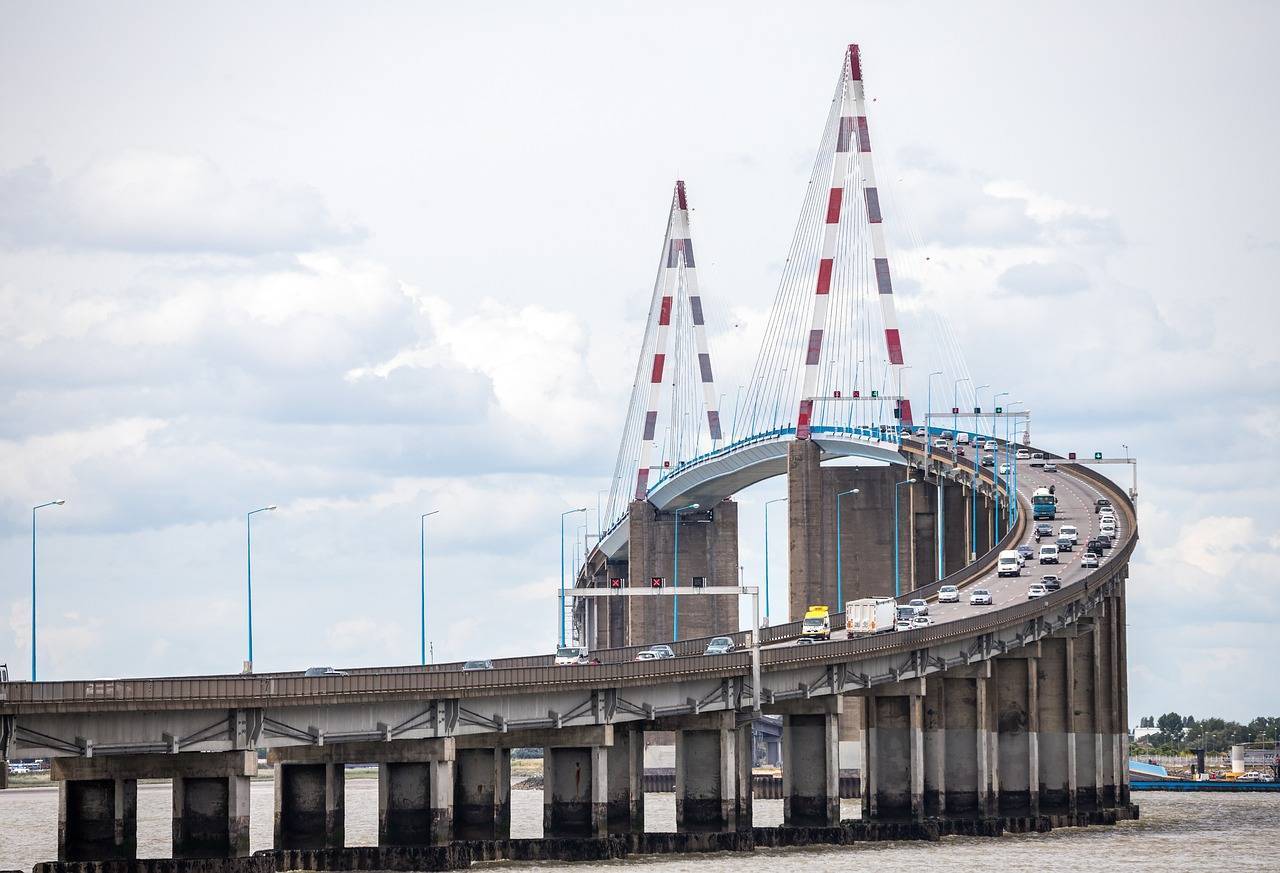
6/6La Loire à Vélo is one of the most famous cycling routes in France, offering a beautiful journey through the heart of the Loire Valley. This UNESCO World Heritage Site is renowned for its stunning castles and picturesque landscapes, followed by vineyards and historic towns. The route starts in Saint-Brevin-les-Pins on the Atlantic coast, following the course of the longest river in France, the Loire, all the way to the city of Nevers. The route is designed to be accessible to cyclists of all ability levels, with well-marked paths and minimal elevation changes. Around 60% of the route is mainly on flat, dedicated cycle paths, while the rest runs along quiet country roads and riverbanks. This makes it suitable for families with children and beginners, as well as more experienced cyclists looking for a memorable cycling experience.
Hybrid Bike - overall the best choice, this type of bicycle combines features of both road and mountain bikes, as hybrid bikes are designed for comfort and versatility. They typically have wider tires than road bikes, providing better stability on both paved and unpaved paths. This makes them ideal for riding on the mixed terrain of the La Loire à Vélo route.
Gravel Bike - for those looking for a more sporty ride, a gravel bike is a suitable option. It offers a more aggressive riding position and is built to handle rougher surfaces, making it ideal for cyclists wanting to cover longer distances more in less time.
Touring Bike - if you're planning a longer journey and need to take luggage, a touring bike is designed for comfort and stability under load. It features a solid frame and multiple gear options, making it perfect for multi-day trips.
Electric Bike (e-bike) - those who prefer assistance on hills or longer distances can try an electric bike, which makes the journey more accessible and enjoyable.
How long is the La Loire à Vélo cycle route and where can you cycle along it?
The La Loire à Vélo cycle route stretches for approximately 630 kilometers (around 390 miles) across France, connecting the Atlantic Ocean at Saint-Brevin-les-Pins with Nevers. It is part of the EuroVelo 6 network, which stretches from the Atlantic to the Black Sea. This makes it one of most extensive and picturesque cycling routes in Europe. Along the route, cyclists can explore one of the most beautiful and culturally rich regions of France, the Loire Valley, a UNESCO World Heritage site, as well as numerous vineyards, and historic towns.How long does it take to complete the route?
The time required to complete the La Loire à Vélo route depends on your cycling experience, daily distance and the time you wish to dedicate to sightseeing. On average, cyclists cover between 45 to 65 km per day, completing the route in about 10 to 14 days. Cyclists at a more leisurely pace, covering around 25 to 35 km per day, can complete the route in about 18 to 25 days. More experienced cyclists, planning to cover 90 to 130 km per day can complete the route in 4 to 7 days. There are numerous accommodation options available along the route, from hotels and guesthouses to campsites, as well as many attractions worth visiting. Therefore this route offers flexibility, adapting to both recreational cyclists and those looking for a more challenging experience.What type of bike should I use to cycle the La Loire à Vélo route?
To fully enjoy the La Loire à Vélo route, you can choose from several recommended types of bikes.Hybrid Bike - overall the best choice, this type of bicycle combines features of both road and mountain bikes, as hybrid bikes are designed for comfort and versatility. They typically have wider tires than road bikes, providing better stability on both paved and unpaved paths. This makes them ideal for riding on the mixed terrain of the La Loire à Vélo route.
Gravel Bike - for those looking for a more sporty ride, a gravel bike is a suitable option. It offers a more aggressive riding position and is built to handle rougher surfaces, making it ideal for cyclists wanting to cover longer distances more in less time.
Touring Bike - if you're planning a longer journey and need to take luggage, a touring bike is designed for comfort and stability under load. It features a solid frame and multiple gear options, making it perfect for multi-day trips.
Electric Bike (e-bike) - those who prefer assistance on hills or longer distances can try an electric bike, which makes the journey more accessible and enjoyable.