The EuroVelo 9 route through Slovenia offers cyclists rolling vineyards and rural charm, while descents along riverside promenades, centuries‑old architecture and vibrant local life. Much of the route follows peaceful local roads, often paved, weaving through nature reserves, gentle hills and woodland patches. Leading through a tapestry of mixed terrain all surrounded by deep Slovenian cultural and scenic transitions. This cyclist-friendly, picturesque and full of surprises route provides a fascinating insight into how varied and welcoming Slovenia is.
What is the EuroVelo 9 Cycle route?
The EuroVelo 9 Baltic-Adriatic cycle route, also known as the "Amber Route”, is one of the long‑distance cycling routes in the EuroVelo network. The name "Amber Route" comes from the historical amber trade - raw amber was harvested around the Baltic Sea and transported toward the Mediterranean along routes similar to this. So the route is partly symbolic of that ancient trade route. It connects the Baltic Sea to the Adriatic Sea with total lenght of about 2,050 km, passing through six countries: Poland, Czech Republic, Austria, Slovenia, Italy and Croatia. It offers the opportunity to travel by bike cross Central Europe, combining natural beauty, cultural heritage and variety.
How long is this section of the route?
The length of EuroVelo 9 in Slovenia is approximately 360 kilometres long, starting from the Spielfeld, near the Austria‑Slovenia border all the way to the Croatia border. Many sections have a good paved surface (asphalt or local roads), occasionally with some sections of unpaved or gravel surfaces. Quiet roads and picturesque countryside make for a pleasant journey, but busy roads may be unavoidable in some parts. Shorter segments around cities (Maribor etc.) are less demanding, suitable for leisure cyclists. For certain types of bikes (e.g. road bikes with narrow tires), some sections may be less suitable due to surface or gradient. If you are a recreational cyclist, willing to take some unpaved bits and don’t mind occasional climbing, the route is definitely rideable and enjoyable.
How long does it take to complete this section of the route?
The EuroVelo 9 cycling route in Slovenia, divided into daily stages of 60-70 km, with rest and sightseeing, takes around 5 to 7 days of riding. More experienced cyclists looking for adventure and a faster pace of 80-100 km per day, the route should take 4 to 5 days. For more recreational cyclists or families with children who prefer shorter daily distances (around 40-50 km per day) and more stops, the full route can take 7 to 9 days. To complete the entire EuroVelo 9 route through Slovenia, you should plan your trip with a balance of daily distances and stops for rest and sightseeing. Remmember to check the weather forecasts daily – especially if traveling in spring or autumn, when storms are more likely.
Is Slovenia bike-friendly?
Slovenia is generally cyclist‑friendly country. There is significant investment in cycling infrastructure, the Slovenian government and local authorities often use EU cohesion funds to support cycle paths and utility cycling and many municipalities are actively improving cycling safety. Slovenia has many scenic, well‑maintained routes, not only in urban areas but also in beautiful Slovenia’s landscapes, offering a lot of diversity such as Alpine routes, vineyards and hills. However, it should be remembered that the weather in higher elevations and alpine zones can change quickly, making some roads or passes difficult to use outside favorable seasons, and some roads or passes may be closed in winter or early spring due to snow or weather conditions.
Attractions along the route
The EuroVelo 9 cycle route in this section offers many attractions, such as:
Spielfeld
Is more of a border region, from where you can access local spa towns (“Thermenradweg”) in Austria, which can be an additional side‑trip attractions.
Maribor
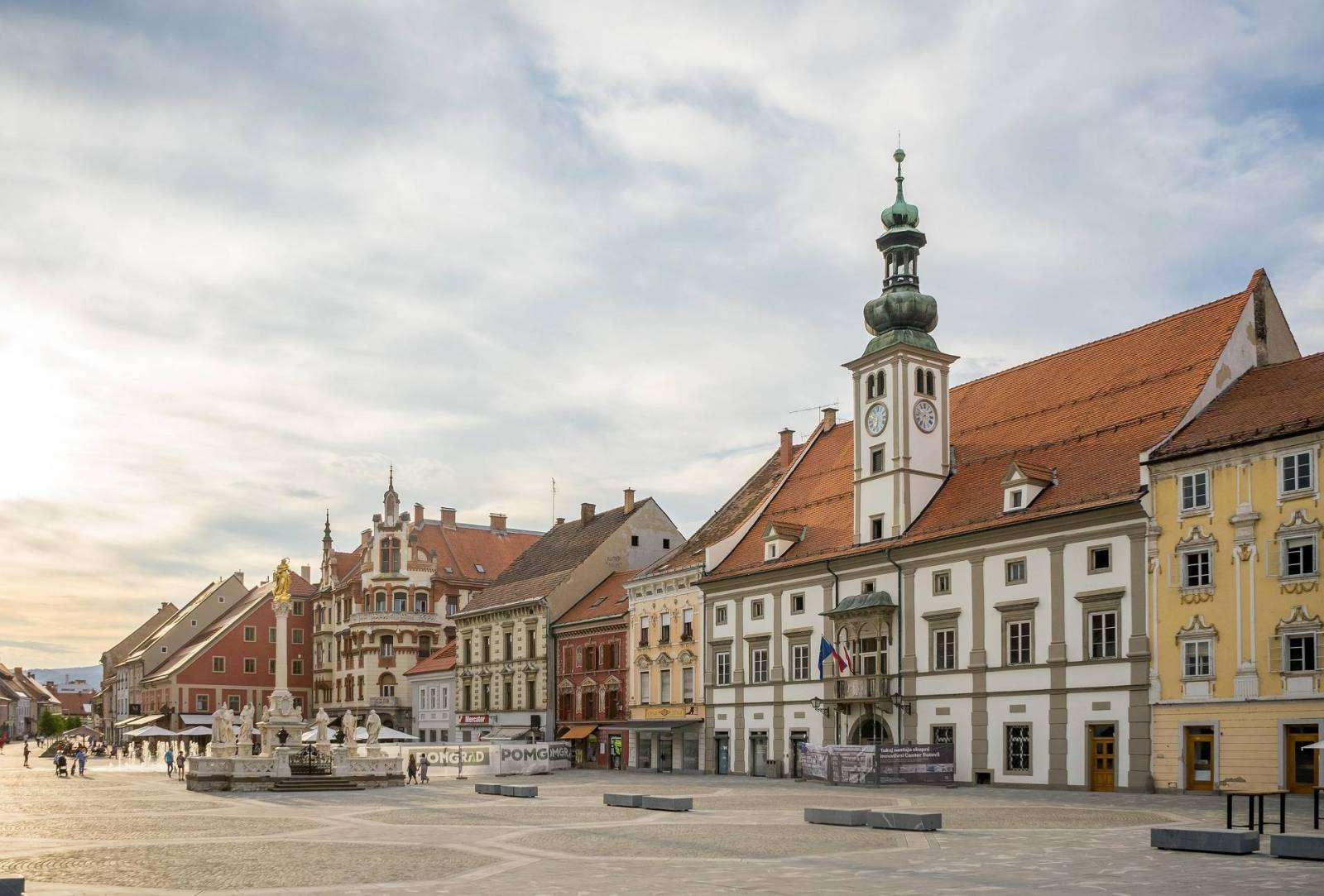
Is well‑known for its wine heritage and city architecture, riverside walk‑along the Drava, the old town, an absolute must-sees are the Maribor Castle and Betnava Mansion and Park.
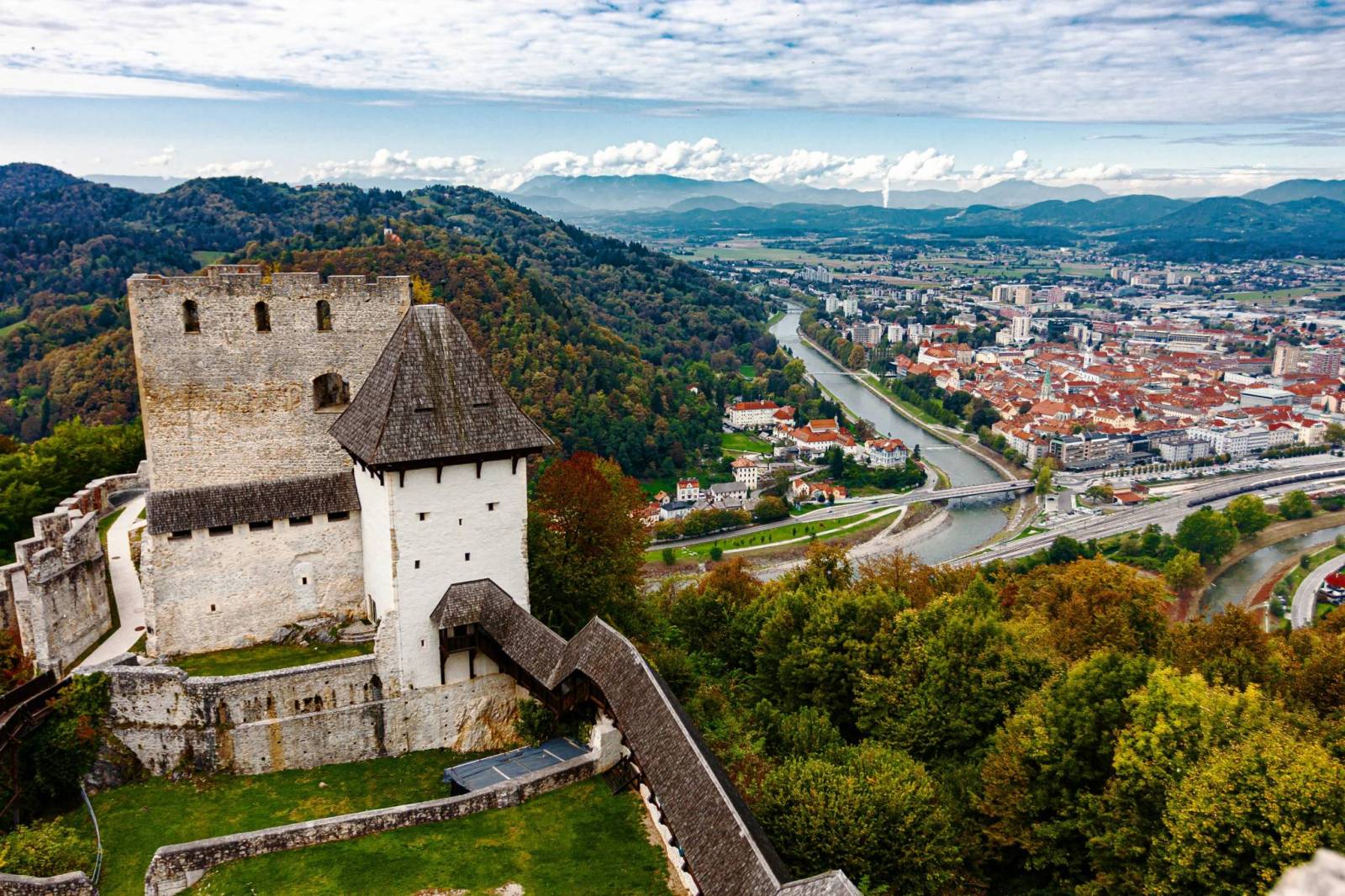
Celje
City walls, small historic streets in the old town centre and Celje Water Tower (Vodni stolp), a well‑preserved part of town walls from the 15th‑16th centuries, are ideal for a short breake.
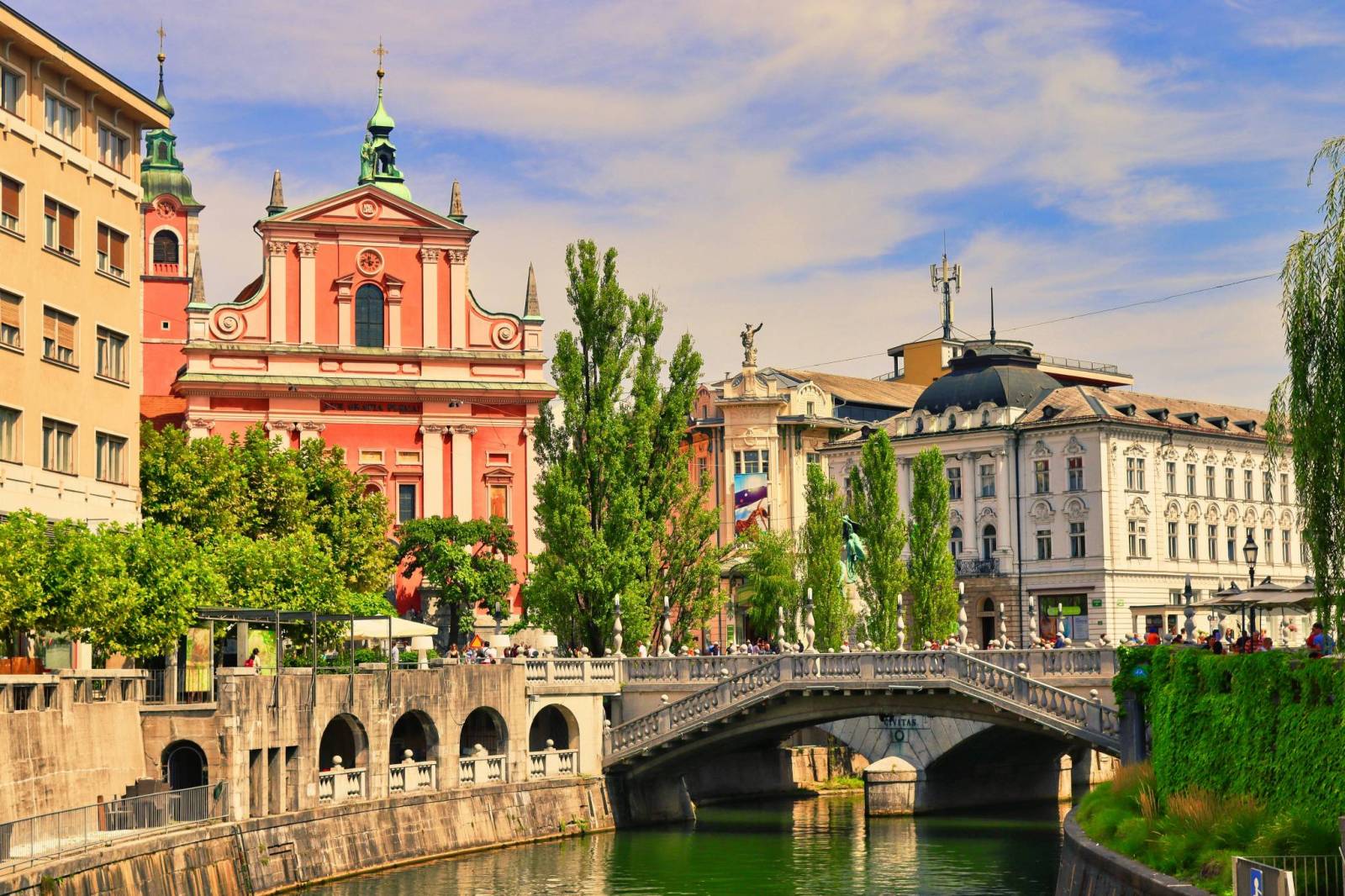
Ljubljana
With its picturesque riverbanks, bridges (like the Triple Bridge), local markets, cafés and the Old Town and St. Nicholas Cathedral with its distinctive towers and dome.
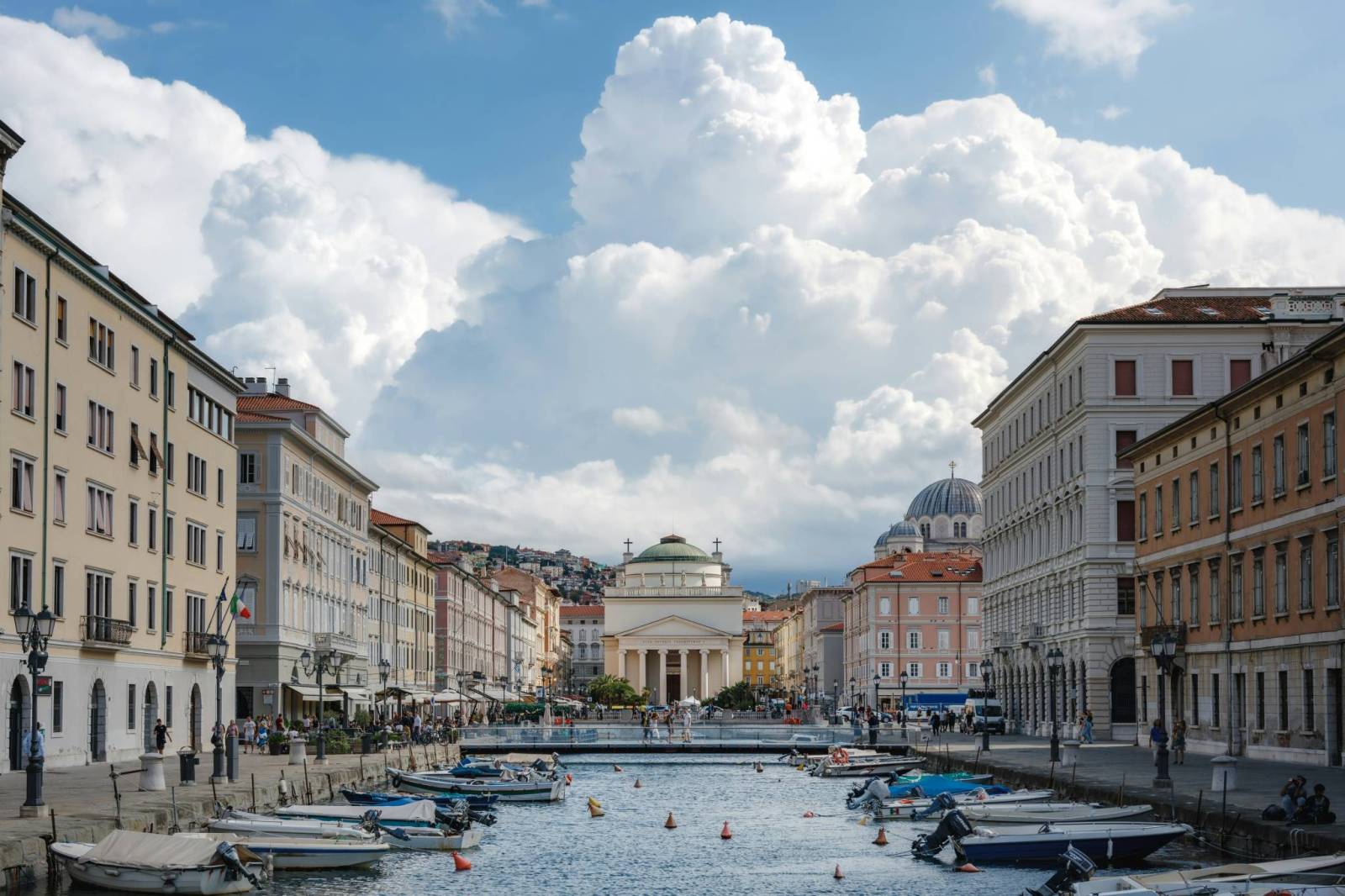
Trieste
Famous for its cafés, lively markets and a multicultural heritage. Worth seeing here are the Piazza Unità d’Italia (grand square facing the sea), Miramare Castle and its gardens, a beautiful setting overlooking the sea, and beaches like Pedocin (separated‑by‑wall beach) with historical value.
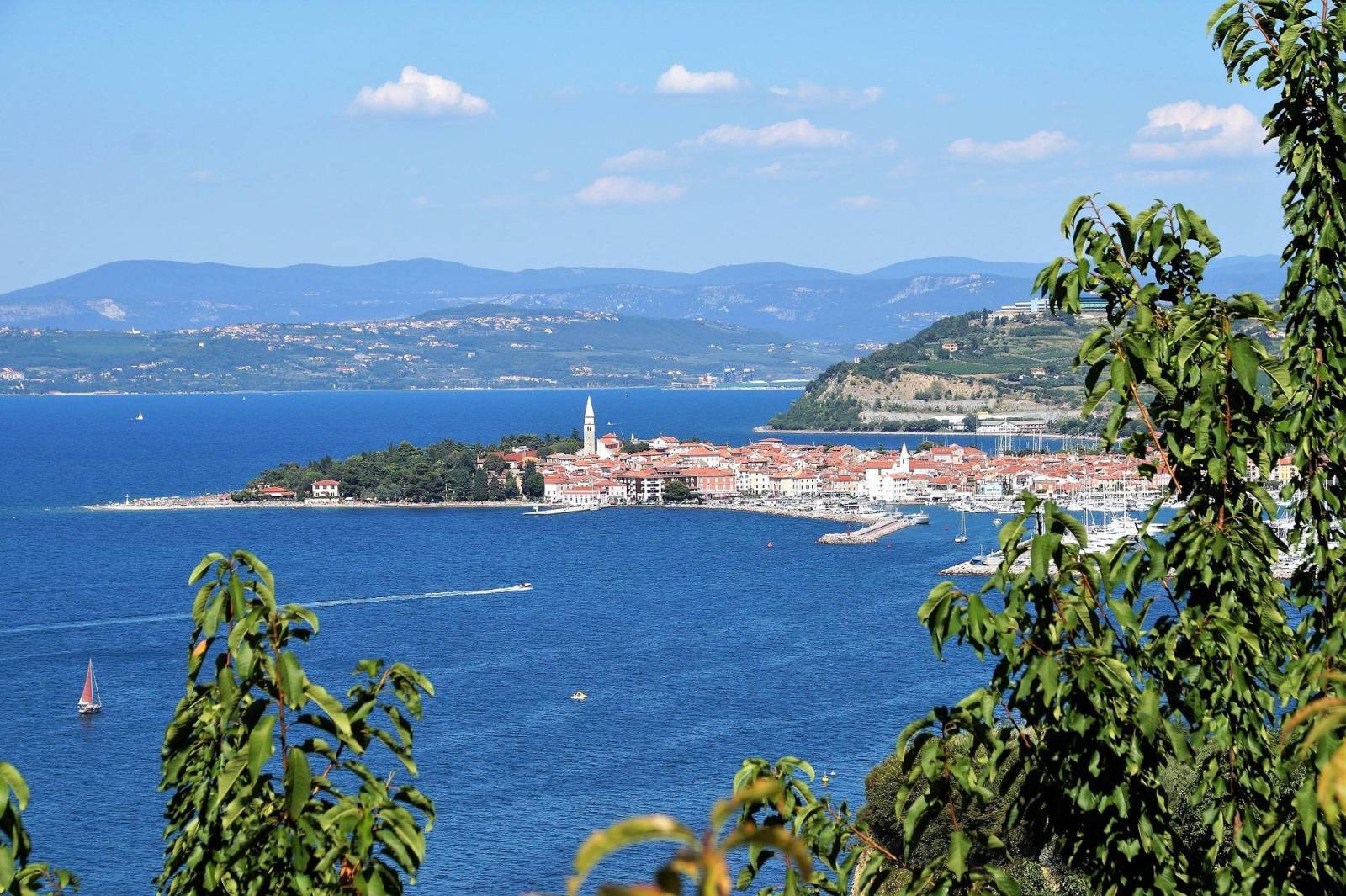
Izola
Is a charming old fishing town, with winding narrow streets, a colorful harbor and seaside promenade lined with cafés and restaurants. Absolute must-sees include late Baroque Besenghi degli Ughi Palace, the Parish Church of St. Maurus with its detached bell tower and the Parenzana Museum (“House of the Sea”), which tells the story of the old Parenzana narrow‑gauge railway, local fishing and salt production.