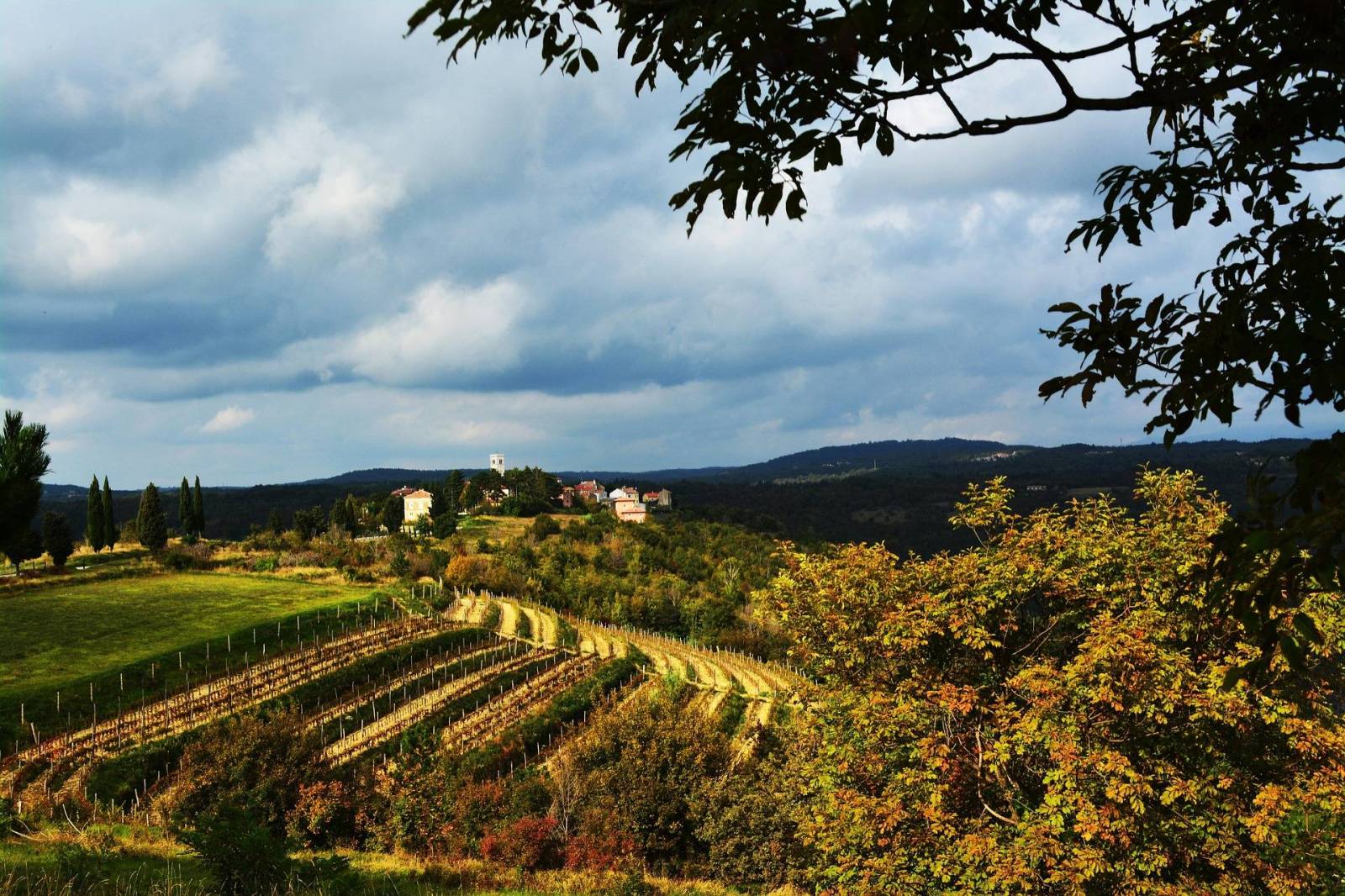
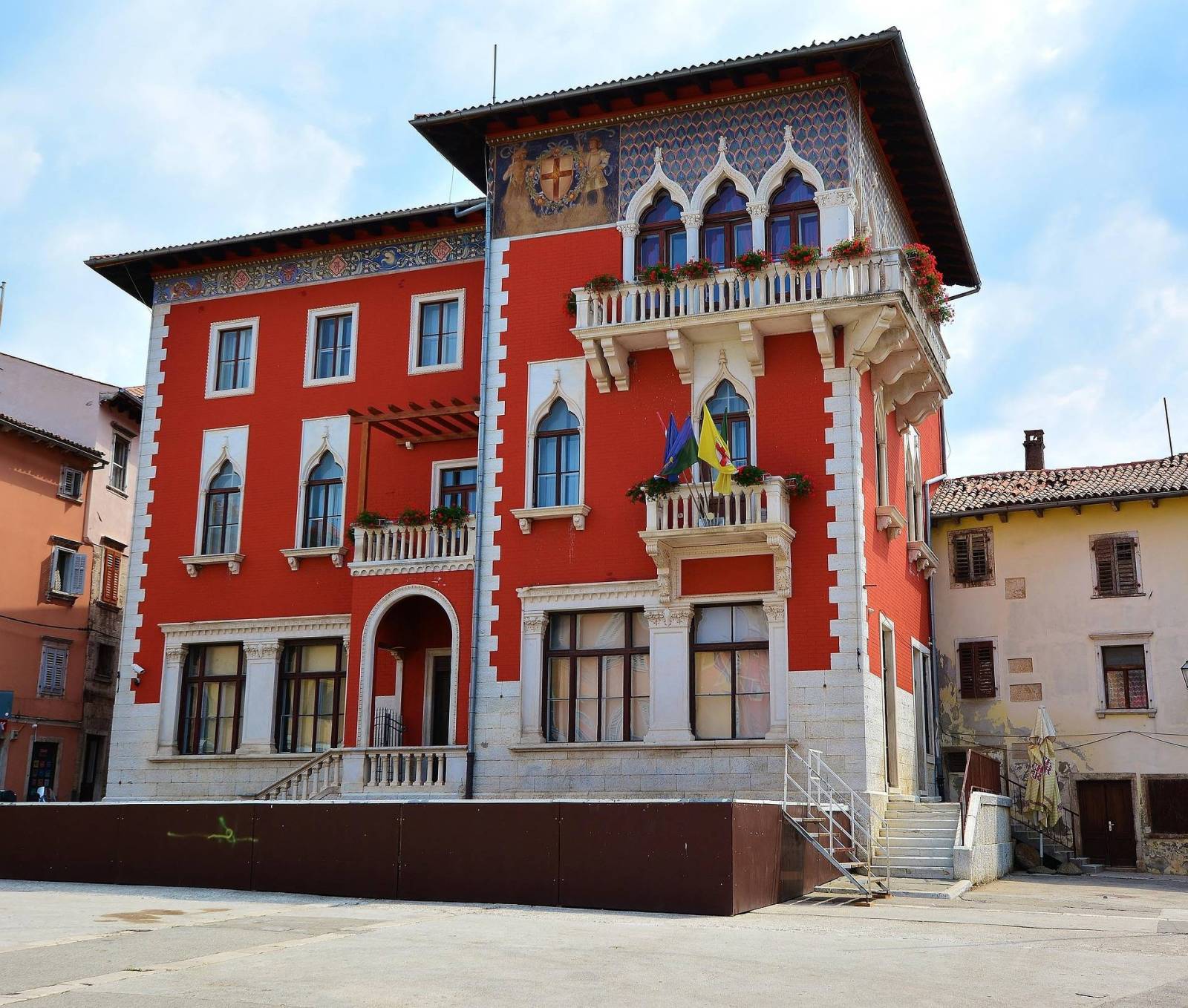
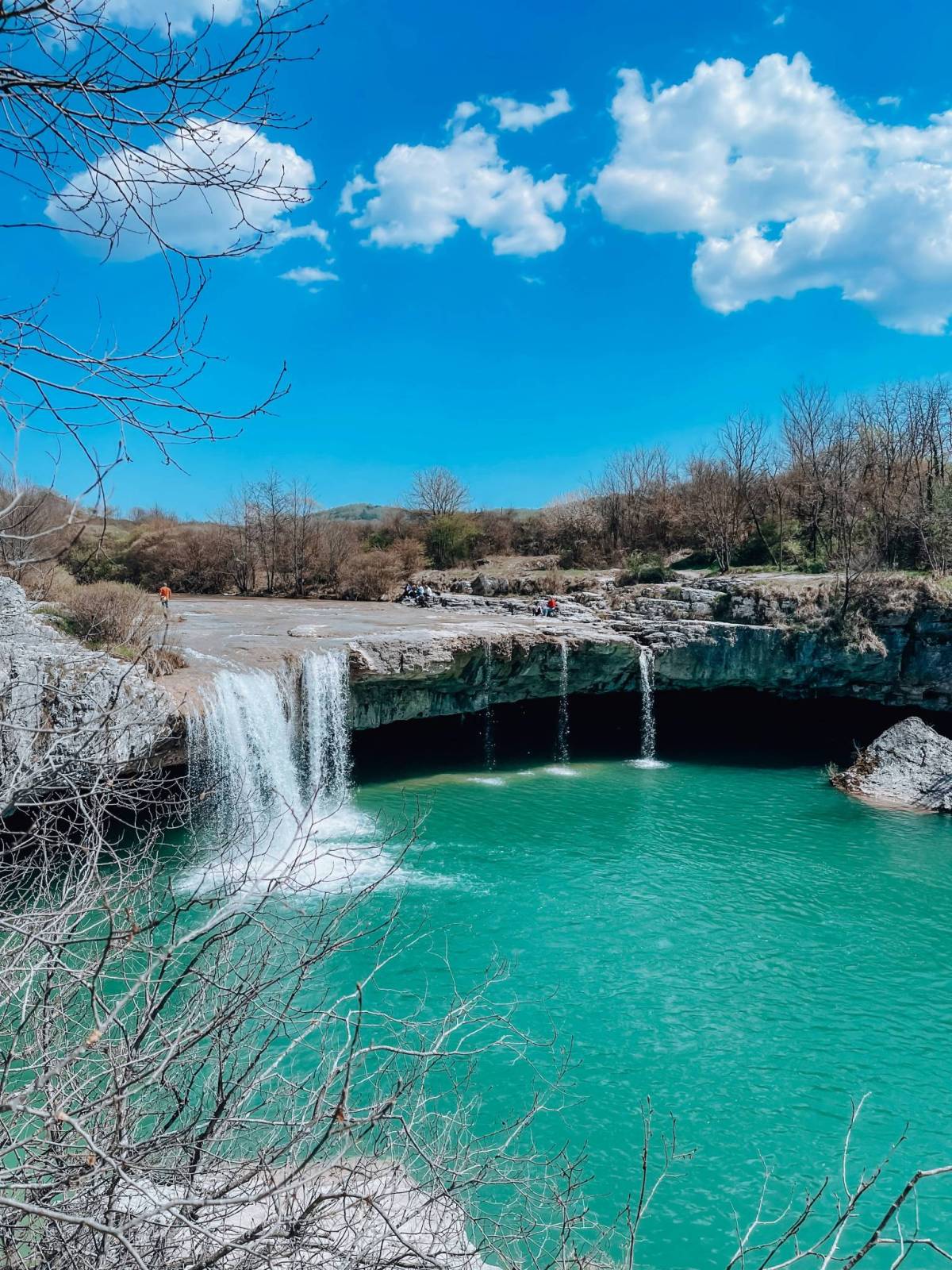
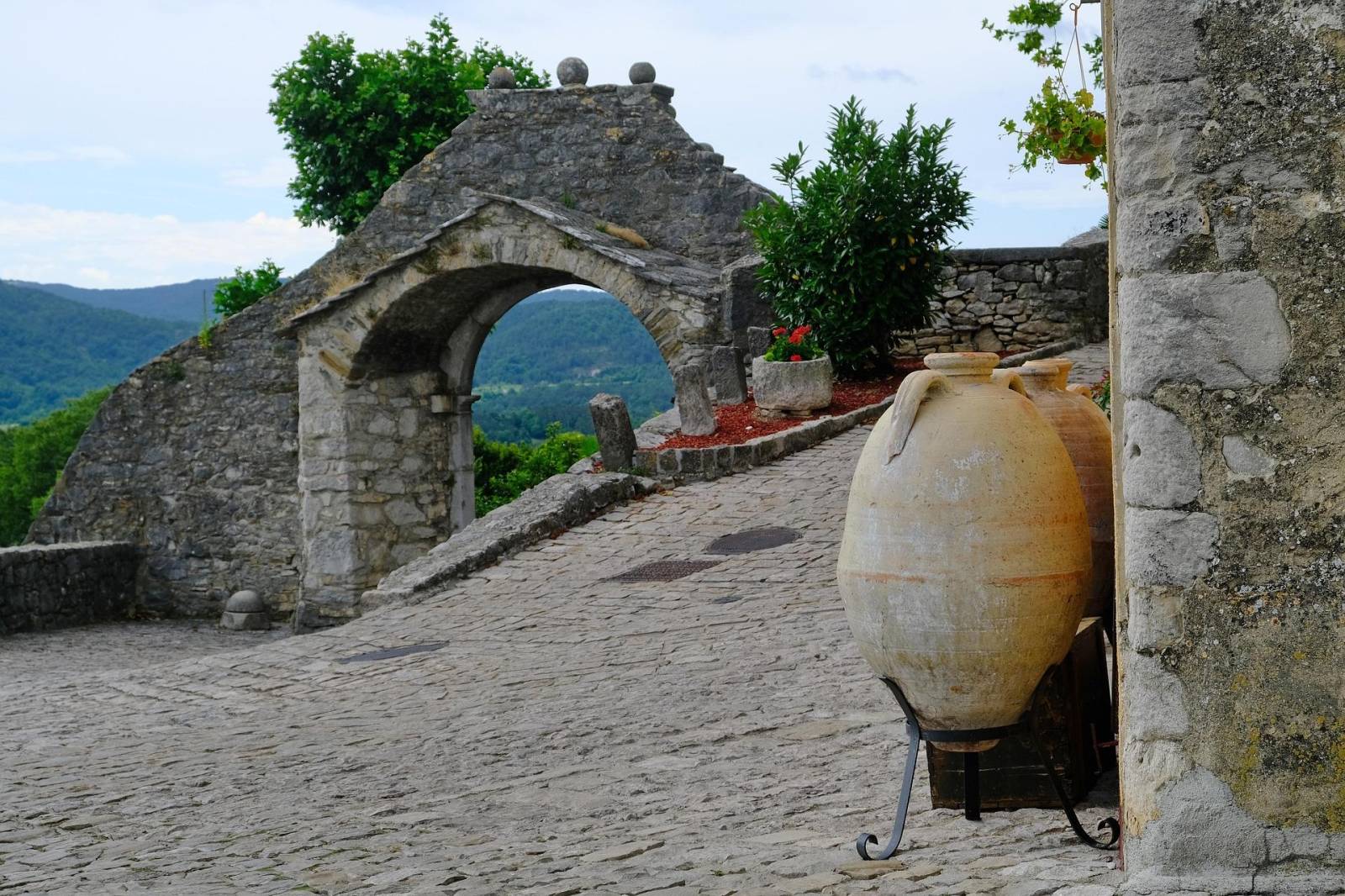
This route is the final part of the EuroVelo 9 cycle route, culminating in the sunny shores of the Adriatic Sea on the stunning Istrian Peninsula. The path meanders through a landscape defined by hills, valleys and seemingly endless stretches of vineyards, olive groves and charming towns with unique attractions. The terrain is mostly hilly, with few gentle climbs that are manageable for most cyclists. It promises an unforgettable adventure filled with history, stunning views and gastronomic delights. This is not just a route, it is a journey through time, where every turn reveals a new aspect of the peninsula's rich past and its vibrant present.
What is the EuroVelo 9 Cycle route?
The EuroVelo 9, sometimes also called the "Amber Route," is a long-distance cycling route connecting the Baltic Sea with the Adriatic Sea. It stretches for approximately 2,050 km (about 1,274 miles) from Gdańsk in Poland, all the way south to Pula in Croatia. It runs through six European countries: Poland, the Czech Republic, Austria, Slovenia, Italy and Croatia. For most cyclists, completing the entire EuroVelo 9 route usually take somewhere between 20 to 40 days, but this depends on indyvidual pace and daily distances, number of rest days and unforeseen delays. The EuroVelo 9 offers a diverse cycling experience as it is known for its cultural and culinary attractions, including traditional wine taverns and thermal spas.
How long is this section of the route and how long does it take to complete it?
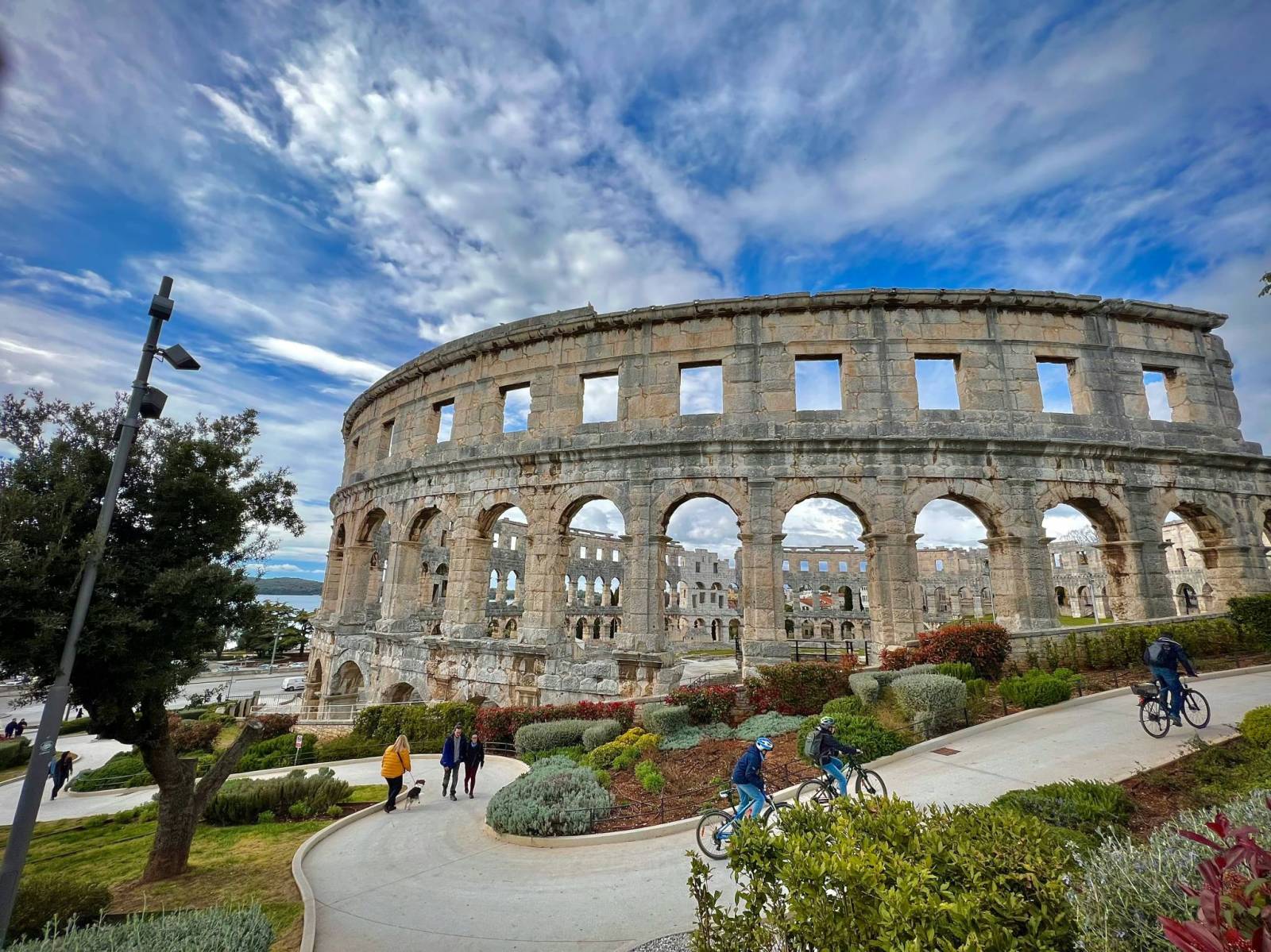
The length of the EuroVelo 9 route in Croatia is approximately 132 kilometres (82 miles). It takes cyclists from the Slovenian border near Sečovlje, through the picturesque interior of the Istrian peninsula, known for its vineyards and hilltop towns, ending in the ancient city of Pula and its famous Roman amphitheatre. Realistically, the route can be completed in 1 to 2 days, incorporating breaks and stops for sightseeing, although many choose to integrate it into a more leisurely 7 to 8-day tour. More experienced cyclists could cover the entire distance in a single day ride. The Croatian section itself is brief, but can be integrated into longer touring experiences and as part of a more extended, leisurely cycling holiday in the region.
Is Croatia bike friendly?
Yes, Croatia is an increasingly bike-friendly country, offering a diverse and evolving landscape for cyclists of all skill levels. Croatia boasts a wide range of cycling routes across different terrains, from the flat plains and hilly areas, to the more challenging coastal roads and mountainous areas. Croatia is actively investing in cycling infrastructure, such as local cycling paths in national parks and historical trails, as well as in connecting it to the European cycling networks, such as EuroVelo. Cycling in Croatia is generally considered safe, with locals accustomed to tourists and less traffic compared to some larger European destinations. Croatia's warm Mediterranean climate, especially in spring and autumn, makes it ideal for cycling for most of the year. The hospitality of the local people and the country's rich cultural and historical heritage further enhance the cycling experience.
Where is the best place to cycle in Croatia?
One of the best cycling destinations in Croatia is Istria. Often considered as Croatia's ideal cycling peninsula, Istria is widely recommended for its well-developed cycling infrastructure and variety of routes. Over 120 marked routes suitable to all levels, from family-friendly paths through hilly terrain, vineyards and olive groves, to more challenging trails. The charm of Istria lies in its picturesque hilltop towns, delicious cuisine and beautiful coastal roads. Popular starting points include the towns of Poreč, Rovinj and Pula. When it comes to a classic Croatian cycling experience, Istria is definitely the best choice and thanks to this cycling route you can see it for yourself.
Attractions along the way
The EuroVelo 9 cycle route offers a journey through the heart of Istria in Croatia and many attractions, such as:
Motovun
A small detour to this medieval hilltop town in central Istria, home to the best-preserved medieval fort in Istria region, as well as ancient city walls and a rich history dating back to Roman times.
Buzet
This charming hilltop town is widely renowned as the "City of Truffles". You can explore local markets and enjoy truffle dishes in local restaurants.
Pazin
This town is famous for its dramatic medieval castle situated on the top of a terrifying abyss. The geological feature and the castle itself offer a captivating historical and natural spectacle.
Vodnjan
Charming small town, known as a significant center of olive oil production. It has preserved its medieval charm with narrow, winding cobbled streets and picturesque squares. The most characteristic monument is the Parish Church of St. Blaise, which houses a large collection of relics and mummies of the saints.
Pula
Vibrant coastal city, steeped in ancient history, boasting one of the best-preserved Roman amphitheatres in the world. Cyclists can finish their journey by exploring this magnificent arena, along other Roman ruins.