Route, attractions
The EuroVelo 7 - Sun Trail cycling route on the Austrian section is a remarkable journey through some of Europe's most diverse and picturesque landscapes. Starting at the border with the Czech Republic, the route leads through the gentle hills of the Mühlviertel region of Upper Austria, where cyclists pass peaceful, green countryside and towns such as Bad Leonfelden, Habruck and Gallneukirchen. This is a land of traditional farms and secluded villages, ideal for those looking to get in touch with nature and the authentic Austrian countryside.
After a moment's respite among fields and meadows, the trail reaches the majestic Danube - a river that becomes the route guide for many kilometres. This section is a feast for the senses: a wide river surrounded by gentle hills, winding through a valley dominated by castles and monasteries. Along the way, there are atmospheric towns such as Aschach an der Donau, Wesenufer and Engelszell - known for its baroque Trappist abbey, where you can sample the local monastery beer. In Kasten, Pyrawang and Wernstein, the trail continues to follow the Danube, showing medieval fortresses and picturesque landscapes.
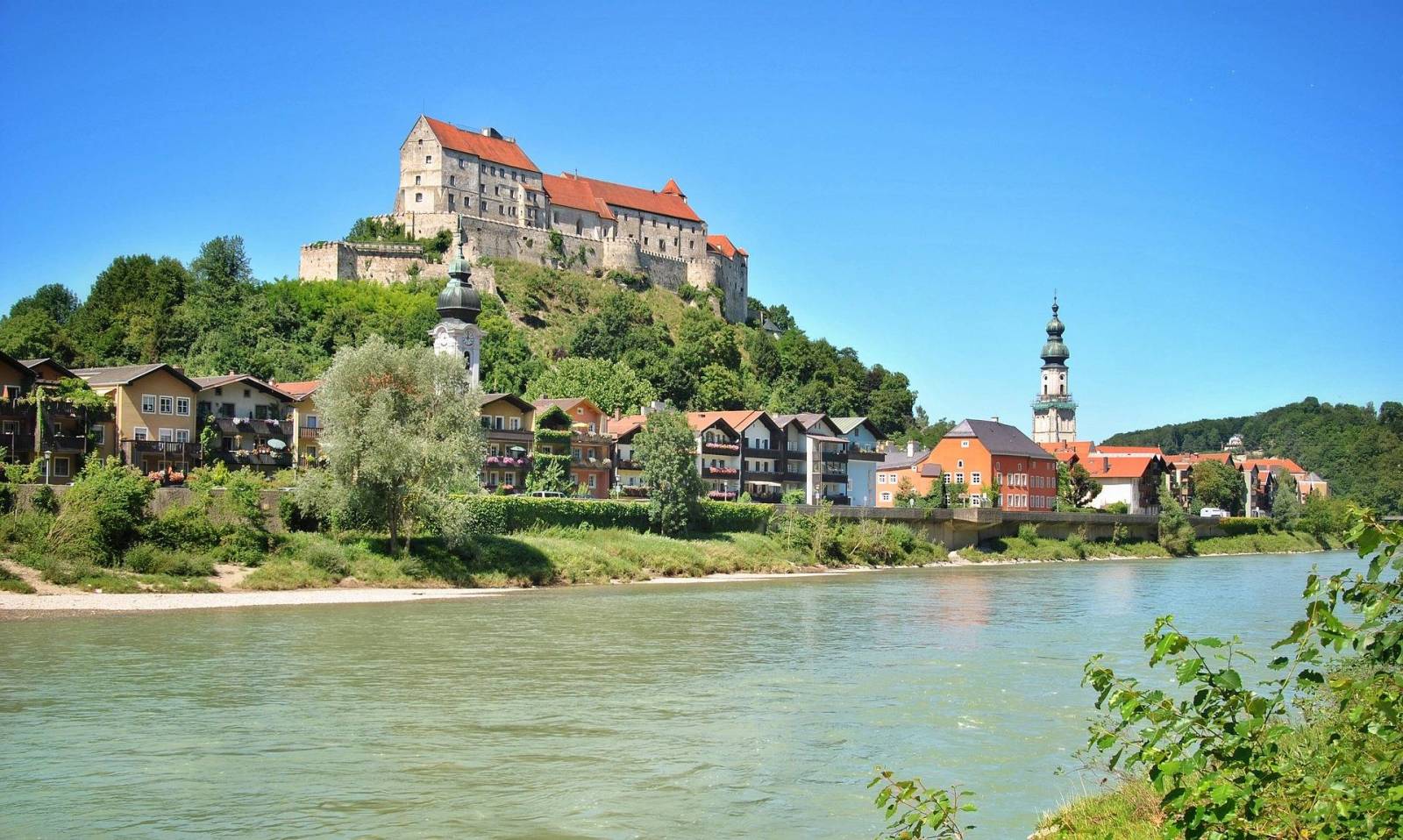
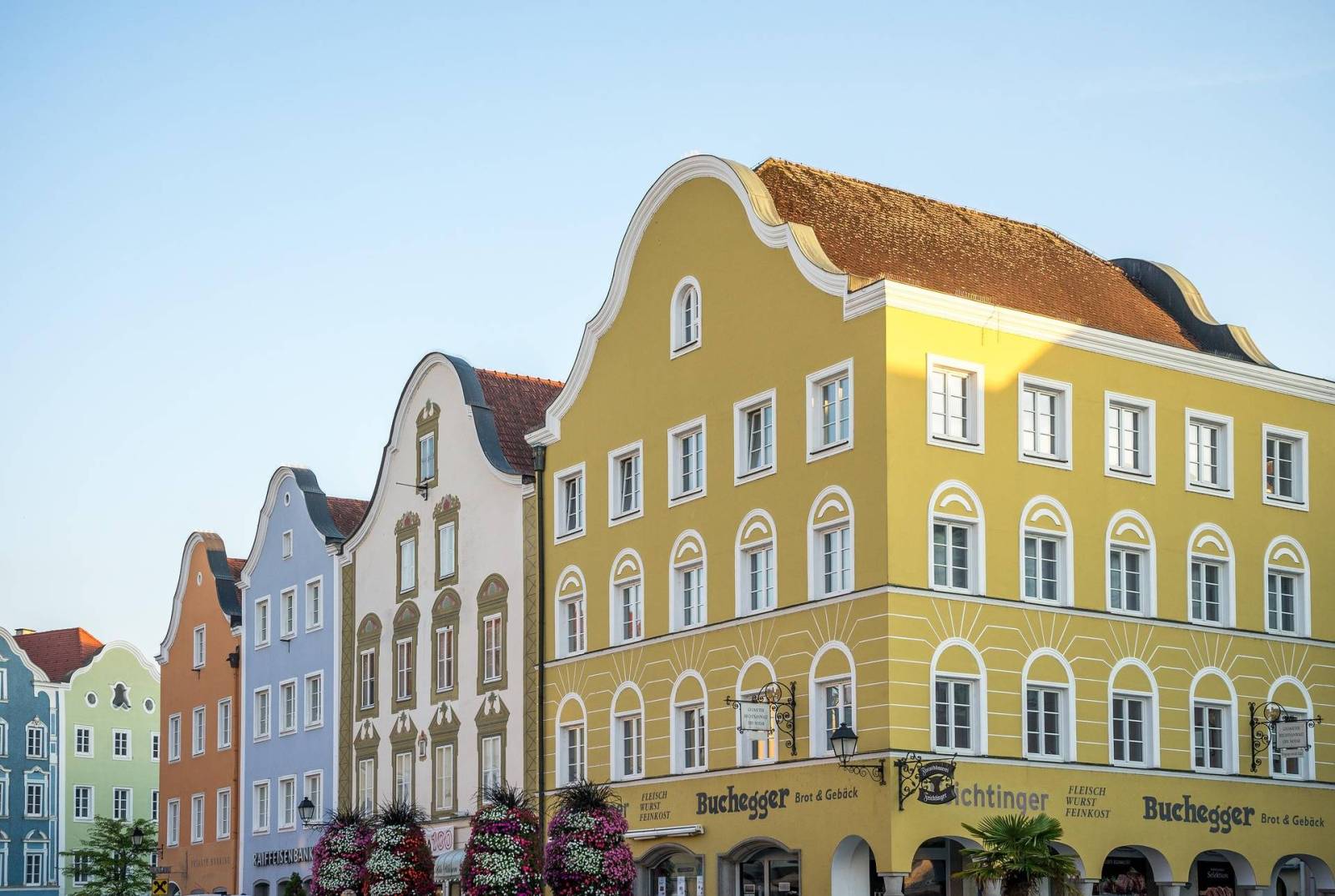
A further section leads to Schärding - a charming town with a beautifully preserved baroque market square, bathed in pastel colours. Cyclists then pass Suben and Reichersberg, where it is possible to stop at the Augustinian monastery and rest in the shade of the vines. The route continues through Kirchdorf am Inn and Hagenau, heading towards the Bavarian border. Burghausen is worth a longer stop - it is home to Europe's longest castle, stretching more than a kilometre along the Salzach River and offering panoramic views and a rich history.
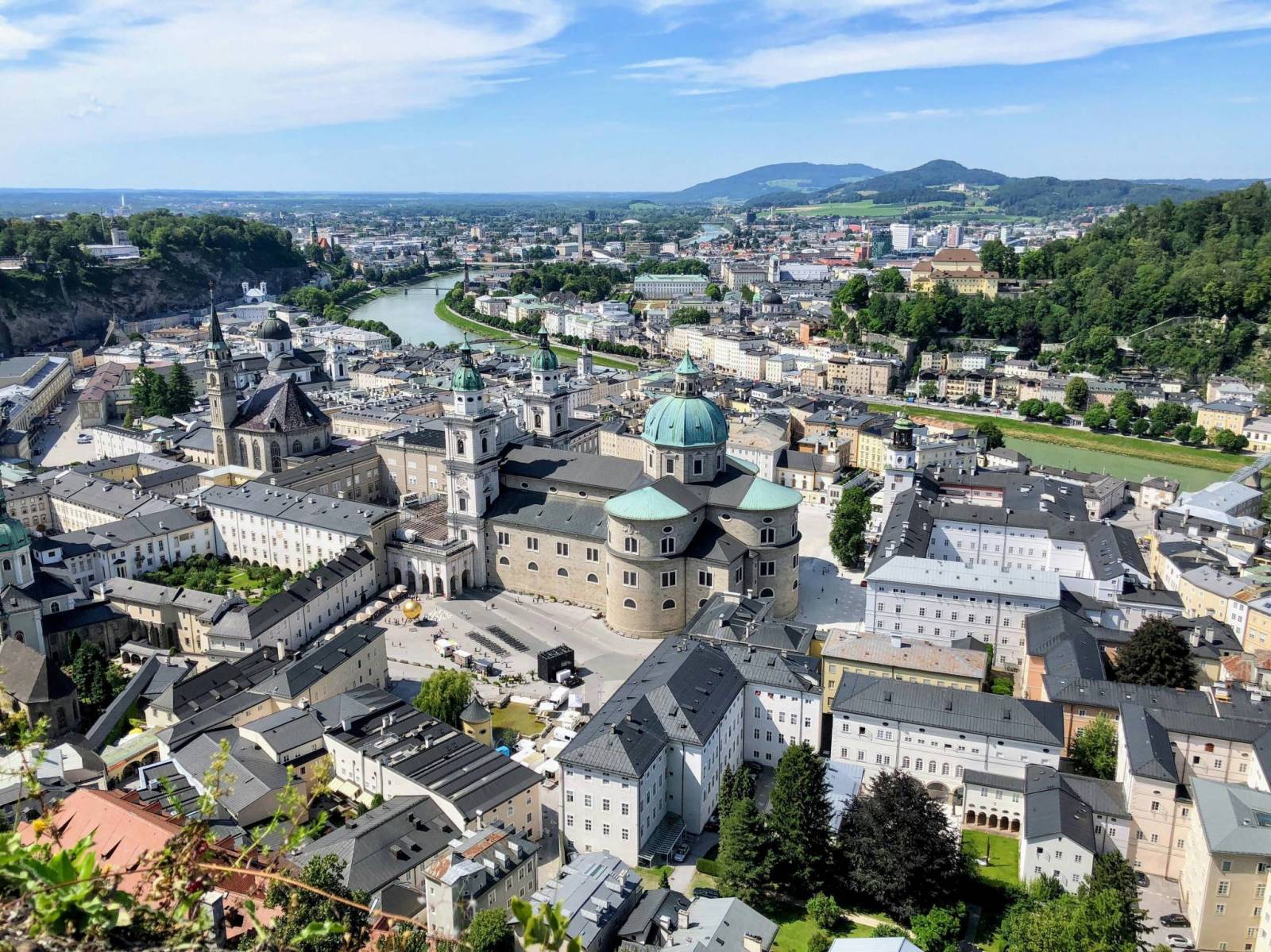
From Burghausen, the route turns towards Salzburg, taking you through Oberndorf bei Salzburg - known as the place where the carol “Silent Night” was first performed - and through the quiet villages of Bergheim and Hallein, where you can visit an old salt mine. Salzburg itself, listed by UNESCO, is one of the highlights of the route. Mozart's city offers a wealth of Baroque architecture, including the Hohensalzburg fortress, palaces, gardens and atmospheric old town streets.
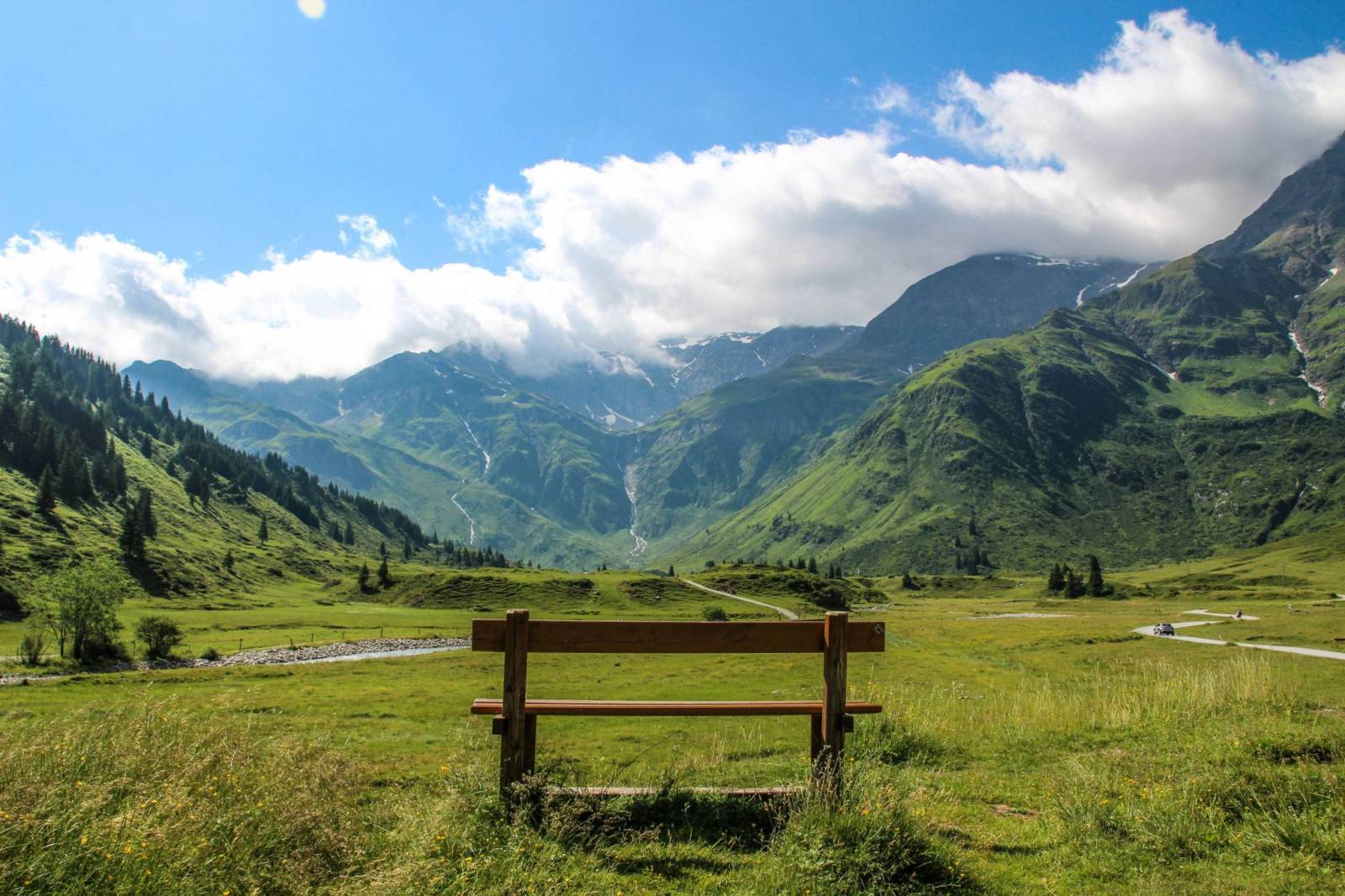
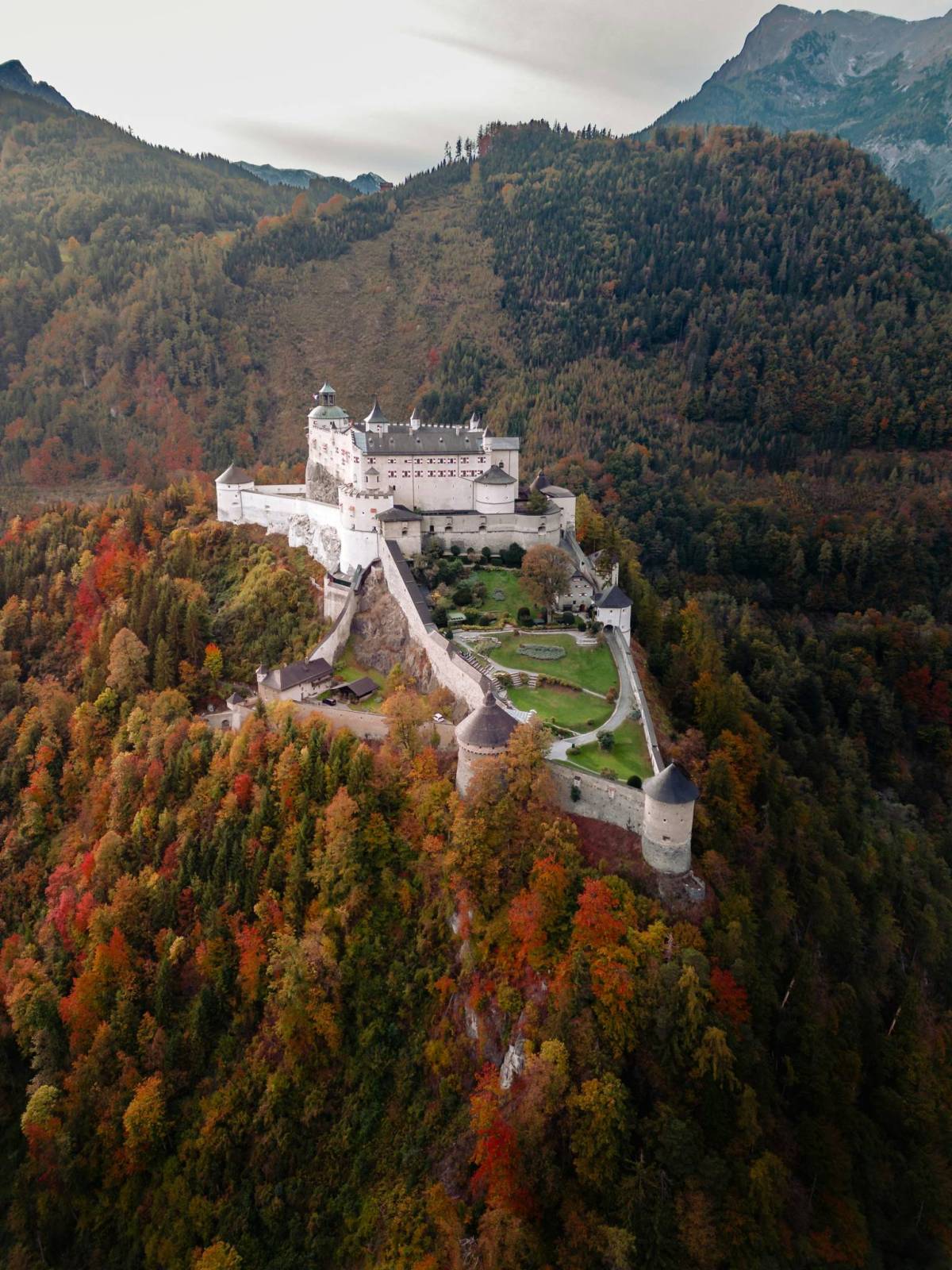
Beyond Salzburg, the landscape becomes increasingly alpine. The route passes through Torren, Golling an der Salzach and Werfen, a town known for its monumental Hohenwerfen fortress and the Eisriesenwelt, the world's largest ice cave, which impresses even the most experienced travellers. The trail then leads through Bischofshofen to the Gastein Valley, home to popular spas: Dorfgastein, Bad Hofgastein and Bad Gastein. This is the ideal place to recuperate - thermal baths, mountain air and spectacular views create an atmosphere of relaxation and tranquillity.
In Bockstein, cyclists face an unusual challenge - having to load their bicycle onto a train that passes through the Tauernbahn tunnel to Mallnitz. This makes it possible to negotiate the difficult Alpine section in comfort and continue safely on the other side of the mountains.
On the Carinthian side, the trail gently descends towards the south, leading through Obervellach, Napplach, Sachsenburg and Lind im Drautal. Here, cyclists enter the quiet and well-prepared Drava Valley, part of the popular Drauradweg - a trail known for its high-quality surface, relaxed pace and great views, also ideal for families. The route passes through Bruggen and Oberdrauburg before reaching Leisach, Tassenbach and Sillian - the last Austrian stop before the border with Italy.
It is here, at the meeting point of the Alps and the Dolomites, that the final kilometres lead through wide valleys, flowered meadows and panoramic routes overlooking the southern peaks, offering the perfect end to this unique cycling adventure through the heart of Austria.
Route signage
Austria is one of the countries with official EuroVelo signage. Distinctive EuroVelo signs can be found along the route, making it easy to navigate during the journey.
Accommodation along the route
Austria offers a wide range of cyclist-friendly accommodation, including certified Bett+Bike facilities that provide secure bike storage, overnight accommodation and basic bike repair tools.
Level of difficulty
The Austrian section of EuroVelo 7 has a moderate level of difficulty - most of the route runs through gentle terrain, especially along the Danube and Drava Valley, ideal even for beginners. More difficult sections appear in the Alps, especially between Werfen and Mallnitz, where there are higher gradients and the need to use a train in a tunnel. Overall, the route is well prepared and safe, suitable for both recreational cyclists and more experienced hikers.
............................................................................................................................................................................................................................................................................................................................
Przebieg trasy, atrakcje
Szlak rowerowy EuroVelo 7 – Sun Trail na austriackim odcinku to niezwykła podróż przez jedne z najbardziej zróżnicowanych i malowniczych krajobrazów Europy. Rozpoczynając się na granicy z Czechami, trasa prowadzi przez łagodne wzgórza regionu Mühlviertel w Górnej Austrii, gdzie rowerzyści mijają spokojne, zielone okolice i miejscowości takie jak Bad Leonfelden, Habruck i Gallneukirchen. To kraina tradycyjnych gospodarstw i zacisznych wiosek, idealna dla osób szukających kontaktu z naturą i autentyczną austriacką prowincją.
Po chwili wytchnienia wśród pól i łąk, szlak dociera do majestatycznego Dunaju – rzeki, która przez wiele kilometrów staje się przewodnikiem trasy. Ten fragment to uczta dla zmysłów: szeroka rzeka otoczona łagodnymi wzgórzami, wijąca się przez dolinę, nad którą górują zamki i klasztory. Po drodze znajdują się klimatyczne miejscowości, takie jak Aschach an der Donau, Wesenufer i Engelszell – znane z barokowego opactwa trapistów, gdzie można spróbować lokalnego piwa klasztornego. W Kasten, Pyrawangu i Wernstein szlak wciąż podąża wzdłuż Dunaju, ukazując średniowieczne warownie i malownicze pejzaże.
Dalszy odcinek prowadzi do Schärding – urokliwego miasta z przepięknie zachowanym barokowym rynkiem, skąpanego w pastelowych kolorach. Następnie rowerzyści mijają Suben i Reichersberg, gdzie można zatrzymać się przy klasztorze augustianów i odpocząć w cieniu winorośli. Szlak biegnie dalej przez Kirchdorf am Inn i Hagenau, kierując się ku granicy z Bawarią. W Burghausen warto zatrzymać się na dłużej – to tutaj znajduje się najdłuższy zamek w Europie, rozciągający się ponad kilometr wzdłuż rzeki Salzach i oferujący panoramiczne widoki oraz bogatą historię.
Z Burghausen trasa skręca w stronę Salzburga, prowadząc przez Oberndorf bei Salzburg – znane jako miejsce, gdzie po raz pierwszy wykonano kolędę „Cicha noc” – oraz przez spokojne miejscowości Bergheim i Hallein, gdzie można zwiedzić starą kopalnię soli. Sam Salzburg, wpisany na listę UNESCO, to jeden z najważniejszych punktów na szlaku. Miasto Mozarta oferuje bogactwo barokowej architektury, w tym twierdzę Hohensalzburg, pałace, ogrody i nastrojowe uliczki starego miasta.
Za Salzburgiem krajobraz staje się coraz bardziej alpejski. Trasa biegnie przez Torren, Golling an der Salzach i Werfen – miejscowość znaną z monumentalnej twierdzy Hohenwerfen oraz Eisriesenwelt, największej na świecie jaskini lodowej, która robi ogromne wrażenie nawet na najbardziej doświadczonych podróżnikach. Następnie szlak prowadzi przez Bischofshofen do Doliny Gastein, w której znajdują się popularne uzdrowiska: Dorfgastein, Bad Hofgastein i Bad Gastein. To idealne miejsce na regenerację sił – termalne kąpiele, górskie powietrze i spektakularne widoki tworzą atmosferę relaksu i spokoju.
W Bockstein rowerzyści stają przed nietypowym wyzwaniem – koniecznością załadunku roweru do pociągu, który przejeżdża przez tunel Tauernbahn do Mallnitz. Dzięki temu rozwiązaniu można w komfortowy sposób pokonać trudny alpejski odcinek i bezpiecznie kontynuować podróż po drugiej stronie gór.
Po stronie Karyntii szlak łagodnie opada w kierunku południa, prowadząc przez Obervellach, Napplach, Sachsenburg i Lind im Drautal. Rowerzyści wkraczają tu w spokojną i dobrze przygotowaną Dolinę Drawy, będącą częścią popularnego Drauradweg – szlaku znanego z wysokiej jakości nawierzchni, spokojnego tempa i wspaniałych widoków, idealnego również dla rodzin. Trasa wiedzie przez Bruggen i Oberdrauburg, by następnie dotrzeć do Leisach, Tassenbach i Sillian – ostatniego austriackiego przystanku przed granicą z Włochami.
To właśnie tutaj, na styku Alp i Dolomitów, końcowe kilometry prowadzą przez szerokie doliny, ukwiecone łąki i panoramiczne trasy z widokiem na południowe szczyty, oferując doskonałe zakończenie tej wyjątkowej rowerowej przygody przez serce Austrii.
Oznakowanie trasy
Austria jest jednym z krajów, które posiadają oficjalne oznakowanie EuroVelo. Na trasie można znaleźć charakterystyczne znaki EuroVelo, co ułatwia nawigację podczas podróży.
Noclegi na trasie
Austria oferuje szeroki wybór noclegów przyjaznych rowerzystom, w tym certyfikowane obiekty Bett+Bike, które zapewniają bezpieczne przechowywanie rowerów, możliwość noclegu na jedną noc oraz podstawowe narzędzia do naprawy roweru.
Poziom trudności
Austriacki odcinek EuroVelo 7 ma umiarkowany poziom trudności – większość trasy prowadzi przez łagodne tereny, szczególnie wzdłuż Dunaju i Doliny Drawy, idealne nawet dla początkujących. Trudniejsze odcinki pojawiają się w Alpach, zwłaszcza między Werfen a Mallnitz, gdzie występują większe przewyższenia i konieczność skorzystania z pociągu w tunelu. Ogólnie trasa jest dobrze przygotowana i bezpieczna, odpowiednia zarówno dla rekreacyjnych rowerzystów, jak i bardziej doświadczonych turystów.