

Traseo_Official_RoutesTraseo_Official_Routes
3.3/6
Charakterystyka trasy
2025-07-27

Długość trasy:
780 kmSuma przewyższeń:
1555 mSuma spadków:
1391 mOcena trasy:
3.3/6The EuroVelo 6 route from Orléans to Basel is one of the most beautiful cycling routes in Europe. It runs from the Centre-Val de Loire region in France through Burgundy and Alsace, all the way to the Swiss border, where it ends in Basel. This section of the route stretches over 800 kilometers of adventure, culture, and nature – following mainly the rivers Loire, then Saône, and finally the Rhine.
The entire EuroVelo 6 route spans approximately 3,600 km and passes through 10 countries such as France, Switzerland, Germany, Austria, Slovakia, Hungary, Serbia, Croatia, Bulgaria, Romania, making it one of Europe’s longest and most diverse cycling journeys. The best time to cycle this route is from May to September, when the weather is generally warm and pleasant.
Starting in Orléans, a city steeped in medieval history, especially known for Joan of Arc, whose statue graces the main square. The grand Cathédrale Sainte-Croix and the Musée des Beaux-Arts offer a fitting cultural finale to the ride.
The statue of Joan of Arc is located approximately 500–600 metres from the official EuroVelo 6 route, making it an easy detour into the heart of the historic city.
Shortly after leaving Orléans, the route winds its way along the right bank of the Loire, passing through peaceful countryside and vineyards. Before reaching Cosne-Cours-sur-Loire, cyclists pass near the village of Saint-Brisson-sur-Loire, home to the Château de Saint-Brisson – a striking medieval fortress perched above the river. This beautifully restored château, with panoramic views over the Loire Valley, is located just a few hundred metres from the trail and makes for a rewarding stop.
Continuing on, the route arrives in Cosne-Cours-sur-Loire, a riverside town with a charming promenade, local markets, and access to regional wines and cuisine. It’s a convenient place to pause for lunch, resupply, or simply enjoy the atmosphere of the upper Loire before continuing the journey southeast.
The route continues southeast along the Loire and leads directly into Nevers, a peaceful town rich in history and culture. As cyclists enter the city, they are welcomed by the impressive Cathédrale Saint-Cyr-et-Sainte-Julitte, a unique structure that blends Romanesque and Gothic architecture, complete with striking modern stained-glass windows. Just a short ride through the old town brings you to the Palais Ducal, one of the earliest examples of Renaissance architecture in the Loire Valley and once the residence of the Dukes of Nevers. Crossing the historic bridges over the Loire, the route offers beautiful panoramic views of the river and the city skyline — especially stunning in the golden light of morning or late afternoon.
Leaving the Loire Valley behind, the route gradually transitions into the gentle hills and canal paths of southern Burgundy, following the quiet, shaded banks of the Canal du Centre. After peaceful stretches through vineyards and traditional wine-growing villages, the EuroVelo 6 reaches Chalon-sur-Saône — a vibrant riverside town known as the birthplace of photography.
As the route follows the calm banks of the Canal du Rhône au Rhin, it leads directly into Dole, a quiet and picturesque town known for its Renaissance old town and peaceful canals. The Collegiate Church of Notre-Dame is located about 950 metres from Pont Louis XV, the bridge where the EuroVelo 6 crosses the canal in Dole. The trail runs along the canal-side promenade, offering relaxing views before continuing toward Besançon.
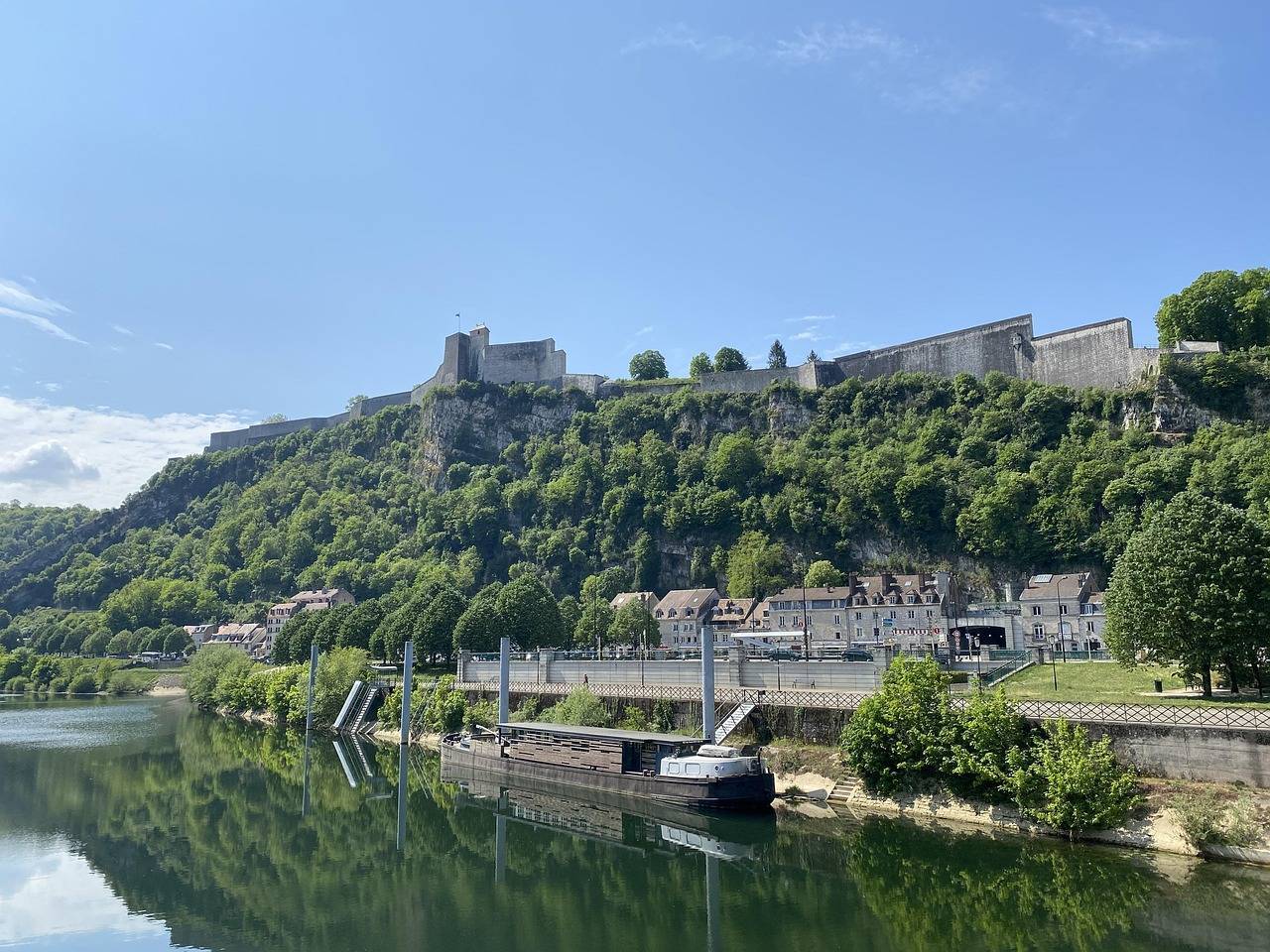
As EuroVelo 6 winds into Besançon, the route passes through a striking natural and architectural setting — nestled between the Citadelle de Besançon, perched high above the river, and the Pavillon d’Entrée du Front Saint-Étienne, guarding the entrance below. Both are part of Vauban’s famed 17th-century fortifications, now a UNESCO World Heritage Site.
The path follows the tranquil curves of the Doubs River, offering cyclists a scenic and peaceful ride. Just a short turn from the route leads to Besançon’s historic centre, with its elegant squares, riverside promenades, and quiet charm — making it one of the most atmospheric stops along the journey.
Continuing along the EuroVelo 6, cyclists reach Montbéliard, a compact and elegant town. Just a short turn off the main route leads to the Château des Ducs de Wurtemberg, perched above the old town. The town is cyclist-friendly, and the route flows right through the heart of it.
The EuroVelo 6 follows the peaceful towpaths along the Canal du Rhône au Rhin as it enters Mulhouse, a lively city with a rich industrial heritage. Known as the “French Manchester” for its textile history, Mulhouse offers a mix of cultural attractions and urban charm.
As the EuroVelo 6 reaches its endpoint, cyclists enter Basel along the banks of the Rhine River, following well-marked cycle paths into the city. The route passes near the Three Countries Bridge, where France, Germany, and Switzerland meet — a symbolic finale to a cross-border journey.
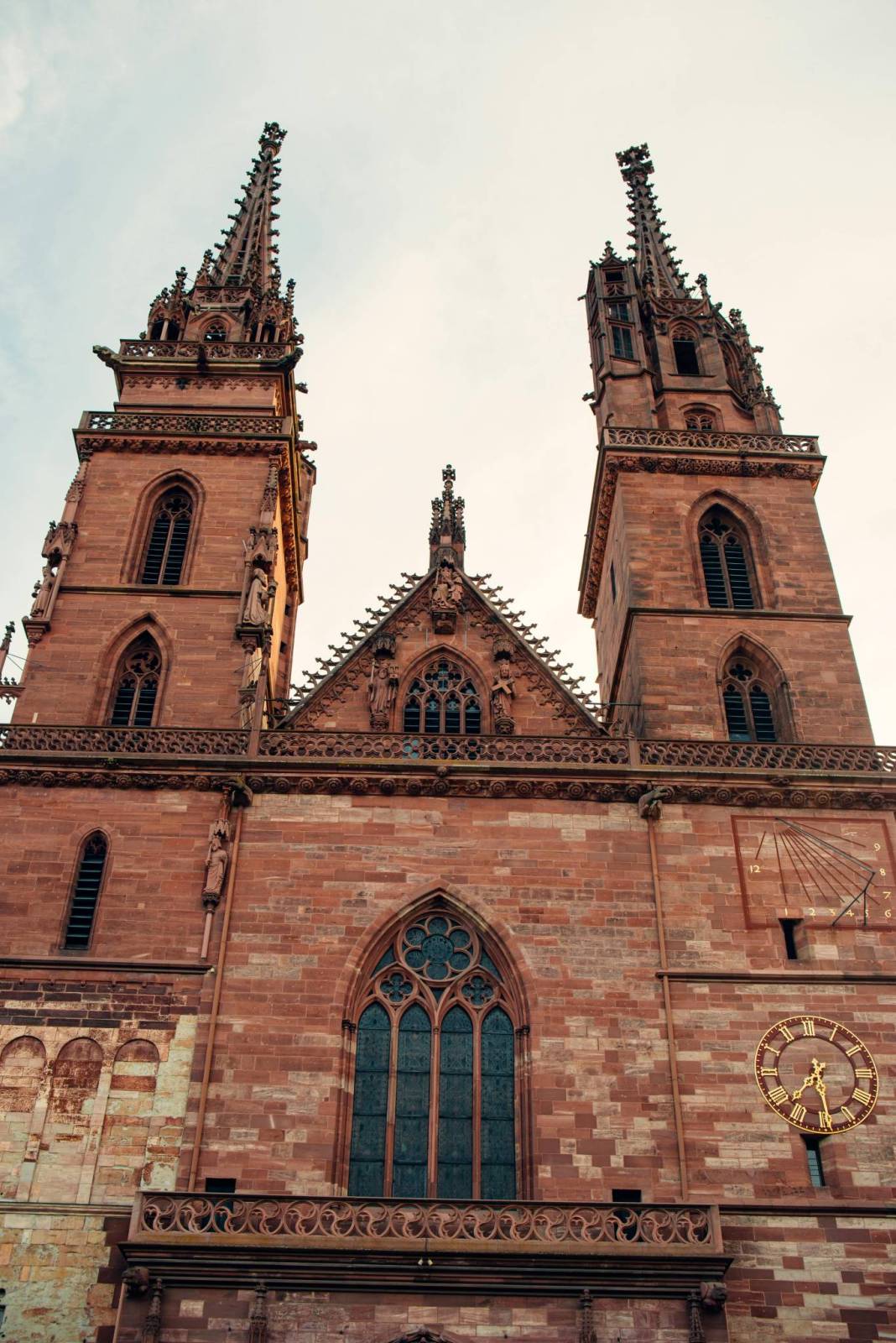
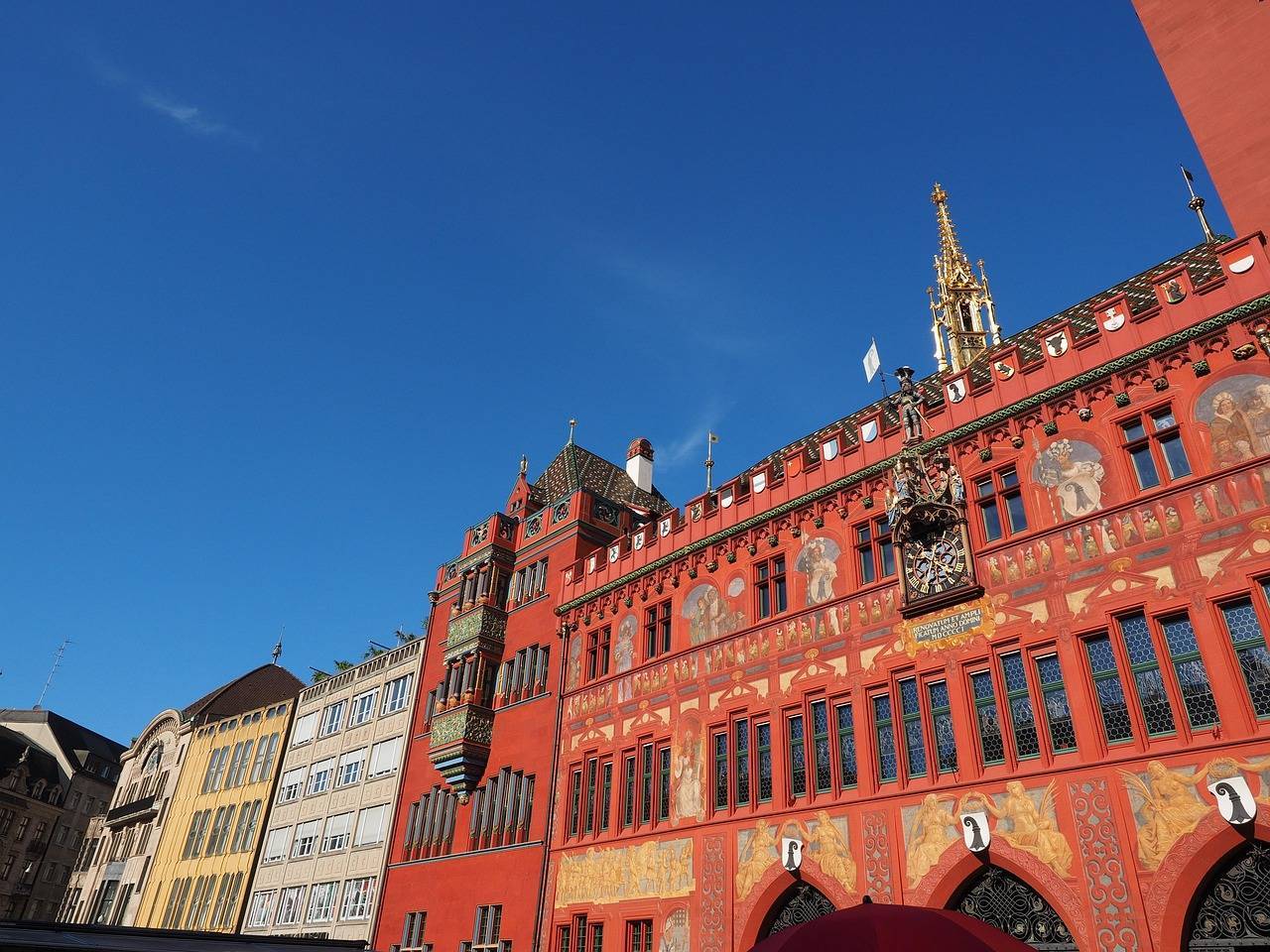
Just a few minutes from the trail lies Basel’s Old Town, known for its red sandstone cathedral (Basler Münster), the Town Hall (Rathaus) with its vibrant painted façade, and quiet medieval alleys filled with cafés, galleries, and shops. Basel combines cultural depth, excellent bike infrastructure, and riverside charm.
This segment of EuroVelo 6 is well signposted throughout France with green and white markers bearing the EuroVelo 6 logo or local route names like La Loire à Vélo, Voie Bleue, or Canal du Rhône au Rhin. While signage is generally excellent, carrying a GPX map or a printed guidebook is advisable—especially in urban areas like Besançon or Mulhouse.
The Orléans–Basel route is predominantly flat, with occasional gentle inclines—especially in the Burgundy canal region or approaching the Jura hills. The majority of the surface is asphalt or well-maintained gravel, and suitable for touring bikes, trekking bikes, or e-bikes. It’s accessible for cyclists of all skill levels, including families.
The entire route is well supported by regional trains (TER). Most trains allow bicycles free of charge without reservations, especially in the Centre-Val de Loire, Bourgogne-Franche-Comté, and Grand Est regions. Stations in Orléans, Nevers, Dole, Besançon, Mulhouse, and Basel provide excellent access for starting, ending, or adjusting your route. However, during weekends or holidays, some trains may have limited bike spaces—so checking timetables in advance is recommended.
Along the way, accommodation is generally easy to find, but during the summer months — especially in popular regions like Burgundy— it’s wise to book ahead, as many cyclists pass through during peak season. Whether you’re camping, staying in guesthouses, or using hotels, early planning can help avoid full bookings in smaller towns.
You’ll also find that the route is well supported by local amenities. Almost every town or village offers bakeries, small grocery stores, and cafés, making it easy to stop for food or supplies. However, on more rural stretches between villages, it’s worth planning snack and water stops in advance to avoid long gaps without services.
__________________________________________________________________
Trasa EuroVelo 6 z Orleanu do Bazylei to jedna z najpiękniejszych tras rowerowych w Europie. Prowadzi z francuskiego regionu Centre-Val de Loire przez Burgundię i Alzację, aż do szwajcarskiej granicy, gdzie kończy się w Bazylei. Ten odcinek trasy to ponad 800 kilometrów przygody, kultury i natury – prowadzący głównie wzdłuż rzek: najpierw Loary, potem Saony, a na końcu Renu.
Cała trasa EuroVelo 6 liczy około 3 600 km i przebiega przez 10 krajów, takich jak: Francja, Szwajcaria, Niemcy, Austria, Słowacja, Węgry, Serbia, Chorwacja, Bułgaria i Rumunia, co czyni ją jedną z najdłuższych i najbardziej zróżnicowanych rowerowych podróży w Europie. Najlepszy czas na jej przejazd to okres od maja do września, kiedy pogoda jest zazwyczaj ciepła i przyjemna.
Początek trasy to Orlean – miasto zanurzone w średniowiecznej historii, szczególnie znane z postaci Joanny d’Arc, której pomnik zdobi główny plac miasta. Katedra Sainte-Croix oraz Musée des Beaux-Arts oferują doskonałe kulturalne zakończenie lub rozpoczęcie rowerowej przygody.
Pomnik Joanny d’Arc znajduje się około 500–600 metrów od oficjalnej trasy EuroVelo 6, więc łatwo zboczyć do historycznego centrum miasta.
Wkrótce po opuszczeniu Orleanu, trasa prowadzi prawym brzegiem Loary, przez spokojne wiejskie tereny i winnice. Przed dotarciem do Cosne-Cours-sur-Loire, rowerzyści mijają wioskę Saint-Brisson-sur-Loire, w której znajduje się Château de Saint-Brisson – imponująca średniowieczna twierdza z widokiem na rzekę. Pięknie odrestaurowany zamek, położony zaledwie kilkaset metrów od szlaku, to idealne miejsce na przerwę.
Dalej trasa prowadzi do Cosne-Cours-sur-Loire – miasteczka nad rzeką z uroczą promenadą, lokalnymi targami i dostępem do regionalnych win i kuchni. To świetne miejsce na postój, lunch lub po prostu odpoczynek przed dalszą podróżą.
Trasa kieruje się dalej na południowy wschód w stronę Nevers – spokojnego miasta bogatego w historię i kulturę. Już na wjeździe uwagę przyciąga imponująca Katedra św. Cyryla i św. Julity, łącząca romańskie i gotyckie elementy z nowoczesnymi witrażami. Krótka przejażdżka przez starówkę prowadzi do Pałacu Książęcego (Palais Ducal) – jednego z pierwszych przykładów renesansowej architektury w Dolinie Loary. Przekraczając zabytkowe mosty nad Loarą, można podziwiać piękne panoramy rzeki i miasta – szczególnie urokliwe o poranku lub późnym popołudniem.
Opuszczając dolinę Loary, trasa stopniowo przechodzi w łagodne wzgórza i ścieżki kanałów południowej Burgundii, prowadząc wzdłuż cichych, zacienionych brzegów Canal du Centre. Po spokojnych odcinkach przez winnice i tradycyjne wioski winiarskie, EuroVelo 6 dociera do Chalon-sur-Saône – tętniącego życiem miasteczka nad rzeką, znanego jako miejsce narodzin fotografii.
Szlak prowadzi dalej wzdłuż spokojnych brzegów Canal du Rhône au Rhin, aż do Dole – urokliwego miasteczka z renesansową starówką i kanałami. Kościół Notre-Dame znajduje się około 950 metrów od mostu Pont Louis XV, którym trasa przekracza kanał w Dole. Szlak biegnie wzdłuż promenady nad kanałem, oferując relaksujące widoki w drodze do Besançon.
Wjeżdżając do Besançon, trasa biegnie przez spektakularną scenerię naturalną i architektoniczną – między Cytadelą Vaubana, górującą nad rzeką, a Pawilonem Front Saint-Étienne u wejścia do miasta. Oba obiekty to część słynnych XVII-wiecznych fortyfikacji Vaubana, dziś wpisanych na listę UNESCO. Trasa biegnie łagodnie wzdłuż rzeki Doubs, zapewniając rowerzystom spokojną i malowniczą jazdę. Zaledwie kilka minut od szlaku znajduje się zabytkowe centrum miasta z eleganckimi placami i nabrzeżami.
Kolejnym punktem na trasie jest Montbéliard – eleganckie, zwarte miasteczko, w którym łatwo zboczyć z trasy do Zamku Książąt Wirtemberskich. Miasteczko jest przyjazne rowerzystom, a trasa biegnie przez jego centrum.
EuroVelo 6 prowadzi dalej wzdłuż kanału Canal du Rhône au Rhin, aż do Mulhouse – miasta z bogatym przemysłowym dziedzictwem. Znane jako “francuski Manchester” z powodu swojej historii włókienniczej, Mulhouse łączy zabytki kultury z miejskim klimatem.
Na końcu trasy rowerzyści wjeżdżają do Bazylei, podążając wzdłuż brzegu Renu dobrze oznakowanymi ścieżkami rowerowymi. Szlak przebiega w pobliżu Mostu Trzech Krajów, gdzie stykają się granice Francji, Niemiec i Szwajcarii – symboliczne zakończenie międzynarodowej podróży.
Zaledwie kilka minut od trasy znajduje się Stare Miasto w Bazylei, znane z czerwonej piaskowcowej katedry (Basler Münster), ratusza z kolorową fasadą oraz średniowiecznych zaułków pełnych kawiarni, galerii i sklepów. Bazylea łączy w sobie bogactwo kultury, świetną infrastrukturę rowerową i urok nabrzeża.
Ten odcinek EuroVelo 6 jest bardzo dobrze oznakowany we Francji, z zielono-białymi tabliczkami z logo EV6 lub nazwami lokalnych tras, takimi jak La Loire à Vélo, Voie Bleue czy Canal du Rhône au Rhin. Choć oznaczenia są zazwyczaj bardzo dobre, warto mieć ze sobą mapę GPX lub drukowany przewodnik – szczególnie w miastach takich jak Besançon czy Mulhouse.
Trasa Orlean–Bazylea jest przeważnie płaska, z łagodnymi wzniesieniami – zwłaszcza w rejonach kanałów Burgundii czy przy podjeździe w stronę Jury. Większość nawierzchni to asfalt lub dobrze utrzymany szuter, odpowiedni dla rowerów trekkingowych, turystycznych i elektrycznych. Trasa jest dostępna dla rowerzystów na każdym poziomie zaawansowania, w tym dla rodzin z dziećmi.
Cała trasa jest dobrze skomunikowana z pociągami regionalnymi (TER). Większość z nich umożliwia bezpłatny przewóz rowerów bez rezerwacji, szczególnie w regionach Centre-Val de Loire, Bourgogne-Franche-Comté i Grand Est. Stacje w Orleanie, Nevers, Dole, Besançon, Mulhouse i Bazylei zapewniają dogodny dostęp do rozpoczęcia, zakończenia lub zmodyfikowania trasy. W weekendy i święta warto wcześniej sprawdzić rozkłady, ponieważ liczba miejsc na rowery może być ograniczona.
Wzdłuż trasy łatwo znaleźć nocleg, ale w sezonie letnim – szczególnie w popularnych regionach jak Burgundia – warto rezerwować z wyprzedzeniem, ponieważ wielu rowerzystów przejeżdża tę trasę w szczycie sezonu. Niezależnie czy planujesz kemping, noclegi w pensjonatach, czy hotele – wcześniejsze planowanie pozwoli uniknąć problemów z brakiem miejsc.
Szlak jest dobrze zaopatrzony w lokalne udogodnienia. Prawie każda miejscowość oferuje piekarnie, sklepy spożywcze i kawiarnie, co ułatwia przerwy na posiłek i zakupy. Jednak na bardziej wiejskich odcinkach warto wcześniej zaplanować postój na jedzenie i wodę, by uniknąć długich odcinków bez dostępu do usług.
The entire EuroVelo 6 route spans approximately 3,600 km and passes through 10 countries such as France, Switzerland, Germany, Austria, Slovakia, Hungary, Serbia, Croatia, Bulgaria, Romania, making it one of Europe’s longest and most diverse cycling journeys. The best time to cycle this route is from May to September, when the weather is generally warm and pleasant.
Route, atractions
Starting in Orléans, a city steeped in medieval history, especially known for Joan of Arc, whose statue graces the main square. The grand Cathédrale Sainte-Croix and the Musée des Beaux-Arts offer a fitting cultural finale to the ride.
The statue of Joan of Arc is located approximately 500–600 metres from the official EuroVelo 6 route, making it an easy detour into the heart of the historic city.
Shortly after leaving Orléans, the route winds its way along the right bank of the Loire, passing through peaceful countryside and vineyards. Before reaching Cosne-Cours-sur-Loire, cyclists pass near the village of Saint-Brisson-sur-Loire, home to the Château de Saint-Brisson – a striking medieval fortress perched above the river. This beautifully restored château, with panoramic views over the Loire Valley, is located just a few hundred metres from the trail and makes for a rewarding stop.
Continuing on, the route arrives in Cosne-Cours-sur-Loire, a riverside town with a charming promenade, local markets, and access to regional wines and cuisine. It’s a convenient place to pause for lunch, resupply, or simply enjoy the atmosphere of the upper Loire before continuing the journey southeast.
The route continues southeast along the Loire and leads directly into Nevers, a peaceful town rich in history and culture. As cyclists enter the city, they are welcomed by the impressive Cathédrale Saint-Cyr-et-Sainte-Julitte, a unique structure that blends Romanesque and Gothic architecture, complete with striking modern stained-glass windows. Just a short ride through the old town brings you to the Palais Ducal, one of the earliest examples of Renaissance architecture in the Loire Valley and once the residence of the Dukes of Nevers. Crossing the historic bridges over the Loire, the route offers beautiful panoramic views of the river and the city skyline — especially stunning in the golden light of morning or late afternoon.
Leaving the Loire Valley behind, the route gradually transitions into the gentle hills and canal paths of southern Burgundy, following the quiet, shaded banks of the Canal du Centre. After peaceful stretches through vineyards and traditional wine-growing villages, the EuroVelo 6 reaches Chalon-sur-Saône — a vibrant riverside town known as the birthplace of photography.
As the route follows the calm banks of the Canal du Rhône au Rhin, it leads directly into Dole, a quiet and picturesque town known for its Renaissance old town and peaceful canals. The Collegiate Church of Notre-Dame is located about 950 metres from Pont Louis XV, the bridge where the EuroVelo 6 crosses the canal in Dole. The trail runs along the canal-side promenade, offering relaxing views before continuing toward Besançon.
As EuroVelo 6 winds into Besançon, the route passes through a striking natural and architectural setting — nestled between the Citadelle de Besançon, perched high above the river, and the Pavillon d’Entrée du Front Saint-Étienne, guarding the entrance below. Both are part of Vauban’s famed 17th-century fortifications, now a UNESCO World Heritage Site.
The path follows the tranquil curves of the Doubs River, offering cyclists a scenic and peaceful ride. Just a short turn from the route leads to Besançon’s historic centre, with its elegant squares, riverside promenades, and quiet charm — making it one of the most atmospheric stops along the journey.
Continuing along the EuroVelo 6, cyclists reach Montbéliard, a compact and elegant town. Just a short turn off the main route leads to the Château des Ducs de Wurtemberg, perched above the old town. The town is cyclist-friendly, and the route flows right through the heart of it.
The EuroVelo 6 follows the peaceful towpaths along the Canal du Rhône au Rhin as it enters Mulhouse, a lively city with a rich industrial heritage. Known as the “French Manchester” for its textile history, Mulhouse offers a mix of cultural attractions and urban charm.
As the EuroVelo 6 reaches its endpoint, cyclists enter Basel along the banks of the Rhine River, following well-marked cycle paths into the city. The route passes near the Three Countries Bridge, where France, Germany, and Switzerland meet — a symbolic finale to a cross-border journey.
Just a few minutes from the trail lies Basel’s Old Town, known for its red sandstone cathedral (Basler Münster), the Town Hall (Rathaus) with its vibrant painted façade, and quiet medieval alleys filled with cafés, galleries, and shops. Basel combines cultural depth, excellent bike infrastructure, and riverside charm.
Route Signage
This segment of EuroVelo 6 is well signposted throughout France with green and white markers bearing the EuroVelo 6 logo or local route names like La Loire à Vélo, Voie Bleue, or Canal du Rhône au Rhin. While signage is generally excellent, carrying a GPX map or a printed guidebook is advisable—especially in urban areas like Besançon or Mulhouse.
Level of difficulty
The Orléans–Basel route is predominantly flat, with occasional gentle inclines—especially in the Burgundy canal region or approaching the Jura hills. The majority of the surface is asphalt or well-maintained gravel, and suitable for touring bikes, trekking bikes, or e-bikes. It’s accessible for cyclists of all skill levels, including families.
Public Transport
The entire route is well supported by regional trains (TER). Most trains allow bicycles free of charge without reservations, especially in the Centre-Val de Loire, Bourgogne-Franche-Comté, and Grand Est regions. Stations in Orléans, Nevers, Dole, Besançon, Mulhouse, and Basel provide excellent access for starting, ending, or adjusting your route. However, during weekends or holidays, some trains may have limited bike spaces—so checking timetables in advance is recommended.
Accomodation , infrastructure
Along the way, accommodation is generally easy to find, but during the summer months — especially in popular regions like Burgundy— it’s wise to book ahead, as many cyclists pass through during peak season. Whether you’re camping, staying in guesthouses, or using hotels, early planning can help avoid full bookings in smaller towns.
You’ll also find that the route is well supported by local amenities. Almost every town or village offers bakeries, small grocery stores, and cafés, making it easy to stop for food or supplies. However, on more rural stretches between villages, it’s worth planning snack and water stops in advance to avoid long gaps without services.
__________________________________________________________________
Trasa EuroVelo 6 z Orleanu do Bazylei to jedna z najpiękniejszych tras rowerowych w Europie. Prowadzi z francuskiego regionu Centre-Val de Loire przez Burgundię i Alzację, aż do szwajcarskiej granicy, gdzie kończy się w Bazylei. Ten odcinek trasy to ponad 800 kilometrów przygody, kultury i natury – prowadzący głównie wzdłuż rzek: najpierw Loary, potem Saony, a na końcu Renu.
Cała trasa EuroVelo 6 liczy około 3 600 km i przebiega przez 10 krajów, takich jak: Francja, Szwajcaria, Niemcy, Austria, Słowacja, Węgry, Serbia, Chorwacja, Bułgaria i Rumunia, co czyni ją jedną z najdłuższych i najbardziej zróżnicowanych rowerowych podróży w Europie. Najlepszy czas na jej przejazd to okres od maja do września, kiedy pogoda jest zazwyczaj ciepła i przyjemna.
Przebieg trasy, atrakcje
Początek trasy to Orlean – miasto zanurzone w średniowiecznej historii, szczególnie znane z postaci Joanny d’Arc, której pomnik zdobi główny plac miasta. Katedra Sainte-Croix oraz Musée des Beaux-Arts oferują doskonałe kulturalne zakończenie lub rozpoczęcie rowerowej przygody.
Pomnik Joanny d’Arc znajduje się około 500–600 metrów od oficjalnej trasy EuroVelo 6, więc łatwo zboczyć do historycznego centrum miasta.
Wkrótce po opuszczeniu Orleanu, trasa prowadzi prawym brzegiem Loary, przez spokojne wiejskie tereny i winnice. Przed dotarciem do Cosne-Cours-sur-Loire, rowerzyści mijają wioskę Saint-Brisson-sur-Loire, w której znajduje się Château de Saint-Brisson – imponująca średniowieczna twierdza z widokiem na rzekę. Pięknie odrestaurowany zamek, położony zaledwie kilkaset metrów od szlaku, to idealne miejsce na przerwę.
Dalej trasa prowadzi do Cosne-Cours-sur-Loire – miasteczka nad rzeką z uroczą promenadą, lokalnymi targami i dostępem do regionalnych win i kuchni. To świetne miejsce na postój, lunch lub po prostu odpoczynek przed dalszą podróżą.
Trasa kieruje się dalej na południowy wschód w stronę Nevers – spokojnego miasta bogatego w historię i kulturę. Już na wjeździe uwagę przyciąga imponująca Katedra św. Cyryla i św. Julity, łącząca romańskie i gotyckie elementy z nowoczesnymi witrażami. Krótka przejażdżka przez starówkę prowadzi do Pałacu Książęcego (Palais Ducal) – jednego z pierwszych przykładów renesansowej architektury w Dolinie Loary. Przekraczając zabytkowe mosty nad Loarą, można podziwiać piękne panoramy rzeki i miasta – szczególnie urokliwe o poranku lub późnym popołudniem.
Opuszczając dolinę Loary, trasa stopniowo przechodzi w łagodne wzgórza i ścieżki kanałów południowej Burgundii, prowadząc wzdłuż cichych, zacienionych brzegów Canal du Centre. Po spokojnych odcinkach przez winnice i tradycyjne wioski winiarskie, EuroVelo 6 dociera do Chalon-sur-Saône – tętniącego życiem miasteczka nad rzeką, znanego jako miejsce narodzin fotografii.
Szlak prowadzi dalej wzdłuż spokojnych brzegów Canal du Rhône au Rhin, aż do Dole – urokliwego miasteczka z renesansową starówką i kanałami. Kościół Notre-Dame znajduje się około 950 metrów od mostu Pont Louis XV, którym trasa przekracza kanał w Dole. Szlak biegnie wzdłuż promenady nad kanałem, oferując relaksujące widoki w drodze do Besançon.
Wjeżdżając do Besançon, trasa biegnie przez spektakularną scenerię naturalną i architektoniczną – między Cytadelą Vaubana, górującą nad rzeką, a Pawilonem Front Saint-Étienne u wejścia do miasta. Oba obiekty to część słynnych XVII-wiecznych fortyfikacji Vaubana, dziś wpisanych na listę UNESCO. Trasa biegnie łagodnie wzdłuż rzeki Doubs, zapewniając rowerzystom spokojną i malowniczą jazdę. Zaledwie kilka minut od szlaku znajduje się zabytkowe centrum miasta z eleganckimi placami i nabrzeżami.
Kolejnym punktem na trasie jest Montbéliard – eleganckie, zwarte miasteczko, w którym łatwo zboczyć z trasy do Zamku Książąt Wirtemberskich. Miasteczko jest przyjazne rowerzystom, a trasa biegnie przez jego centrum.
EuroVelo 6 prowadzi dalej wzdłuż kanału Canal du Rhône au Rhin, aż do Mulhouse – miasta z bogatym przemysłowym dziedzictwem. Znane jako “francuski Manchester” z powodu swojej historii włókienniczej, Mulhouse łączy zabytki kultury z miejskim klimatem.
Na końcu trasy rowerzyści wjeżdżają do Bazylei, podążając wzdłuż brzegu Renu dobrze oznakowanymi ścieżkami rowerowymi. Szlak przebiega w pobliżu Mostu Trzech Krajów, gdzie stykają się granice Francji, Niemiec i Szwajcarii – symboliczne zakończenie międzynarodowej podróży.
Zaledwie kilka minut od trasy znajduje się Stare Miasto w Bazylei, znane z czerwonej piaskowcowej katedry (Basler Münster), ratusza z kolorową fasadą oraz średniowiecznych zaułków pełnych kawiarni, galerii i sklepów. Bazylea łączy w sobie bogactwo kultury, świetną infrastrukturę rowerową i urok nabrzeża.
Oznakowanie trasy
Ten odcinek EuroVelo 6 jest bardzo dobrze oznakowany we Francji, z zielono-białymi tabliczkami z logo EV6 lub nazwami lokalnych tras, takimi jak La Loire à Vélo, Voie Bleue czy Canal du Rhône au Rhin. Choć oznaczenia są zazwyczaj bardzo dobre, warto mieć ze sobą mapę GPX lub drukowany przewodnik – szczególnie w miastach takich jak Besançon czy Mulhouse.
Poziom trudności
Trasa Orlean–Bazylea jest przeważnie płaska, z łagodnymi wzniesieniami – zwłaszcza w rejonach kanałów Burgundii czy przy podjeździe w stronę Jury. Większość nawierzchni to asfalt lub dobrze utrzymany szuter, odpowiedni dla rowerów trekkingowych, turystycznych i elektrycznych. Trasa jest dostępna dla rowerzystów na każdym poziomie zaawansowania, w tym dla rodzin z dziećmi.
Transport publiczny
Cała trasa jest dobrze skomunikowana z pociągami regionalnymi (TER). Większość z nich umożliwia bezpłatny przewóz rowerów bez rezerwacji, szczególnie w regionach Centre-Val de Loire, Bourgogne-Franche-Comté i Grand Est. Stacje w Orleanie, Nevers, Dole, Besançon, Mulhouse i Bazylei zapewniają dogodny dostęp do rozpoczęcia, zakończenia lub zmodyfikowania trasy. W weekendy i święta warto wcześniej sprawdzić rozkłady, ponieważ liczba miejsc na rowery może być ograniczona.
Noclegi, infrastruktura
Wzdłuż trasy łatwo znaleźć nocleg, ale w sezonie letnim – szczególnie w popularnych regionach jak Burgundia – warto rezerwować z wyprzedzeniem, ponieważ wielu rowerzystów przejeżdża tę trasę w szczycie sezonu. Niezależnie czy planujesz kemping, noclegi w pensjonatach, czy hotele – wcześniejsze planowanie pozwoli uniknąć problemów z brakiem miejsc.
Szlak jest dobrze zaopatrzony w lokalne udogodnienia. Prawie każda miejscowość oferuje piekarnie, sklepy spożywcze i kawiarnie, co ułatwia przerwy na posiłek i zakupy. Jednak na bardziej wiejskich odcinkach warto wcześniej zaplanować postój na jedzenie i wodę, by uniknąć długich odcinków bez dostępu do usług.