The EuroVelo 6 route from Passau to Budapest stretches over approximately 700 kilometers, offering a spectacular journey along the scenic Danube. This ride weaves through a diverse tapestry of landscapes, from peaceful riverbanks and nature reserves to historic towns and vibrant cities, where centuries of culture and history come alive.
The entire EuroVelo 6 route spans approximately 3,600 km and passes through 10 countries such as France, Switzerland, Germany, Austria, Slovakia, Hungary, Serbia, Croatia, Bulgaria, Romania, making it one of Europe’s longest and most diverse cycling journeys. The best time to cycle this route is from May to September, when the weather is generally warm and pleasant.
Route, attractions
Starting in Passau, a vibrant city nestled at the confluence of three rivers – the Danube, Inn, and Ilz – the route begins amidst cobbled streets and pastel-colored baroque facades. Often called the “City of Three Rivers,” Passau is rich in history and charm. Before departing, cyclists may detour just a few hundred metres from the official EuroVelo 6 route to visit the imposing St. Stephen’s Cathedral, home to one of the world’s largest pipe organs, or to stroll along the waterfront promenade near the old town.
Leaving Passau, the trail soon crosses into Austria, where the riverbanks quickly become quieter and more pastoral. The route flows seamlessly through open countryside, with forested hills rising on both sides of the Danube. Small towns appear like gentle punctuation marks in the landscape.
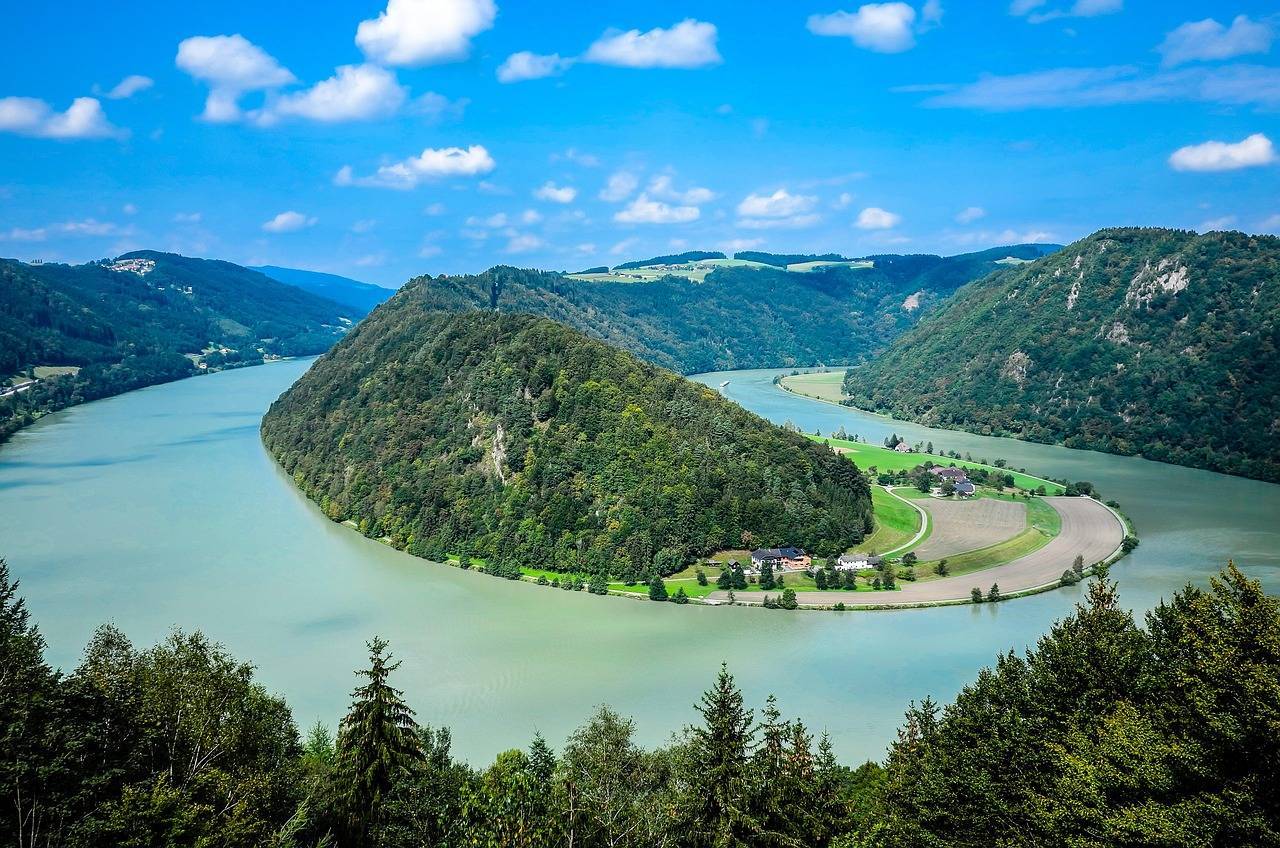
One of the most breathtaking natural highlights along this stretch is the Schlögener Schlinge – a dramatic 180-degree bend in the Danube where the river carves its way through wooded hills in a perfect loop. The trail follows the river closely here, and for those who take the time to climb to the Schlögener Blick viewpoint, the reward is a panoramic view of the entire river bend – one of the most iconic vistas along the EuroVelo 6.
For cyclists looking to experience the bend from the water, there’s also the option to take a local ferry across the Danube at Schlögen. This short but scenic boat ride offers a unique perspective on the river’s curve and can be a practical way to continue the journey without retracing your steps along the loop.
Reaching Linz, the capital of Upper Austria, the tempo of the ride shifts. The city blends old-world charm with cutting-edge design, especially at the Ars Electronica Center – a museum of technology and future innovation perched right along the river. It’s particularly worth visiting in the evening, when the building’s façade comes alive with colorful lights, creating a striking contrast against the twilight sky. A short ride into the heart of Linz offers access to the lively Hauptplatz, the baroque main square, and the Lentos Art Museum, whose sleek glass exterior also glows after dark, mirroring the reflections of the Danube. Overlooking the city from a nearby hill, the Linzer Schloss (Linz Castle) adds a historical layer to the skyline. Once a residence of emperors, it now houses a museum and offers panoramic views over the river and the old town — a peaceful spot to pause and take in the blend of past and present that defines Linz.
From Linz, the Danube resumes its tranquil course, guiding cyclists along peaceful riverside paths with forested hills rising in the distance. The route follows the southern bank, offering a quiet, scenic ride. Across the river lies Grein, a charming town that invites a short detour. Those who choose to cross can explore the impressive Greinburg Castle, one of Austria’s oldest residential fortresses, and the historic Grein Theater, a beautifully preserved 18th-century playhouse just steps from the town square.
As the route continues, it weaves through a region marked by quiet towns and gentle terrain. Ybbs an der Donau and Pöchlarn provide welcome rest stops, with local bakeries, riverfront parks, and glimpses of Austrian daily life. Just before reaching Ybbs, the trail traces a graceful curve of the Danube, where the river bends in a wide arc — creating one of the more picturesque and flowing segments of the route. In Pöchlarn, those interested in art can visit the Oskar Kokoschka Museum, dedicated to the expressionist painter born here.
Approaching Melk, the route reaches one of its most iconic sights: the Melk Abbey, perched dramatically above the river. The golden Baroque façade and richly decorated interiors make this a must-visit, only a short detour from the trail itself. The climb is gentle and rewarded with sweeping views over the Wachau Valley, a UNESCO World Heritage site.
The journey through Wachau is among the most scenic of the route. Vineyards stretch across terraced slopes, and charming villages like Dürnstein and Spitz beckon with wine taverns and local specialties. Continuing eastward, Krems an der Donau marks the eastern end of Wachau.
Soon after, the path passes through Tulln an der Donau, a city known for its blooming gardens. Tulln’s riverside promenade is ideal for a relaxed pause, with open-air cafés and public art installations.
As cyclists approach Klosterneuburg, a short detour uphill reveals the impressive Klosterneuburg Monastery, with its copper-green domes rising above the town. Just a few kilometres from Vienna, the monastery offers a peaceful vantage point and sweeping views — a quiet moment of reflection before arriving in the bustling Austrian capital.
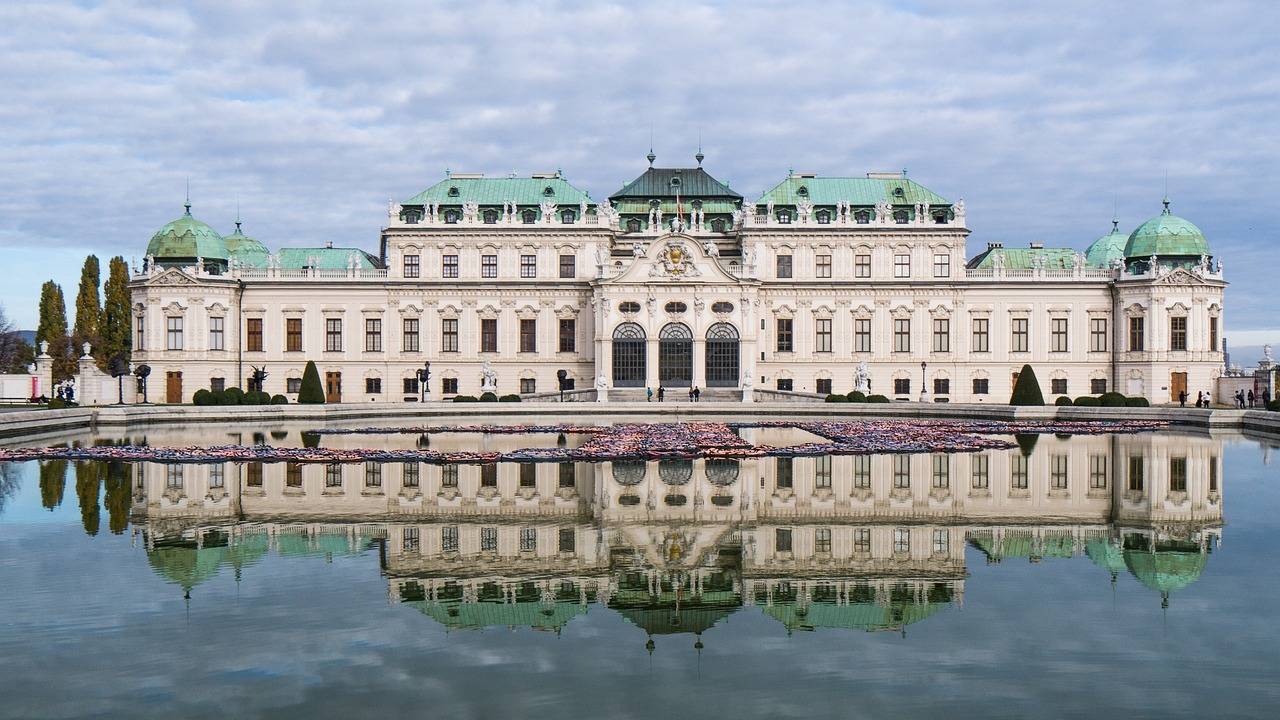
Finally, the trail carries you into Vienna, where the Danube winds past modern riverfront promenades, urban beaches, and sleek architecture. To reach the historic center, a short detour from the main route is needed — but it’s well worth it. Within minutes, you’ll find yourself among Vienna’s iconic landmarks: the towering Stephansdom, the grand Hofburg Palace, and the lively Naschmarkt, full of color and character. For a perfect ending, settle into a traditional Viennese café with a strong coffee and a slice of Sachertorte, letting the journey sink in amid the elegance of the imperial city.
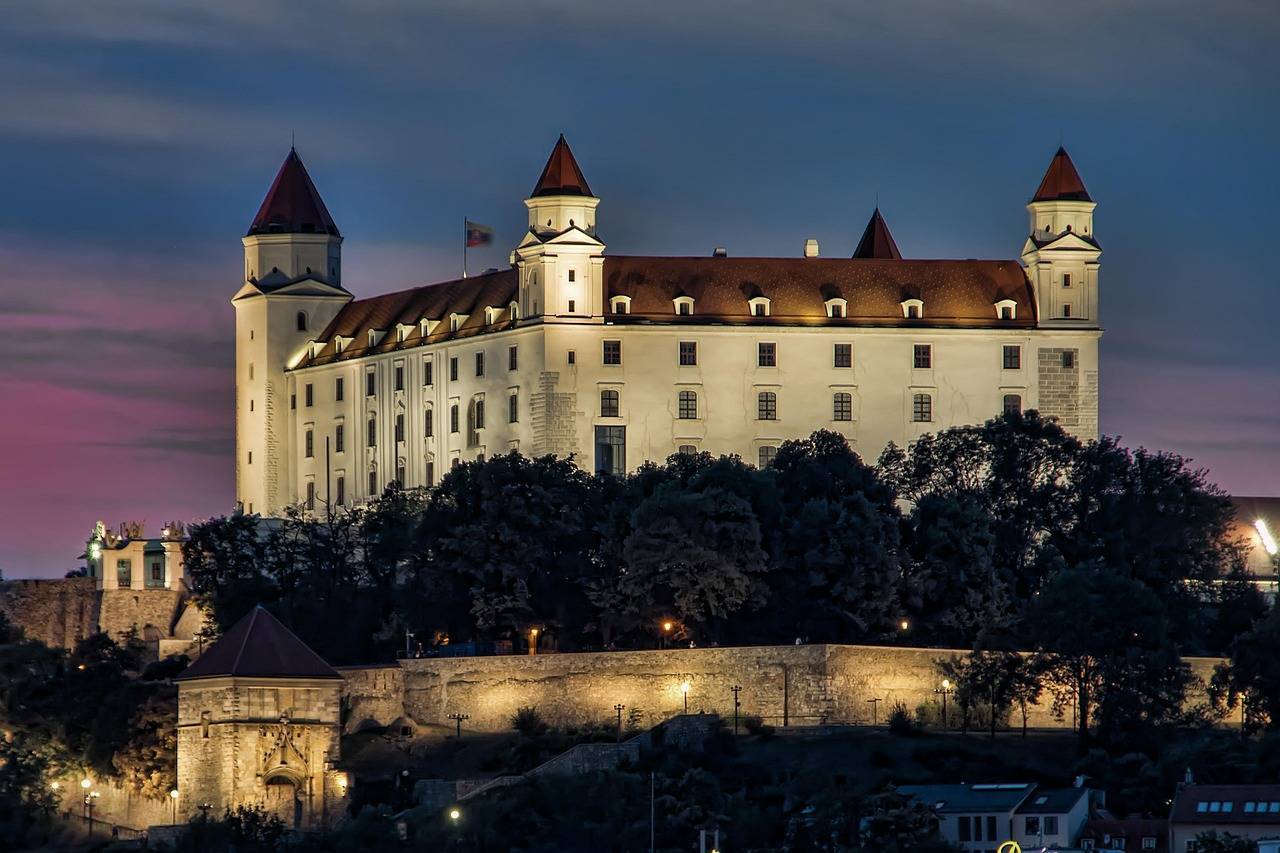
Soon, the trail leads toward Bratislava, Slovakia’s compact and charismatic capital. While the official route skirts the edge of the city, a short detour across the Danube brings you into the heart of the old town — a lively mix of pastel townhouses, cobbled alleys, and inviting cafés. Above it all rises the iconic Bratislava Castle, perched on a hill with views stretching across the river and into Austria. It’s a rewarding stop — whether as the end of your ride or simply a well-earned pause, best enjoyed with a strong coffee and a slow wander through the city’s quiet charm.
Just a few kilometres beyond Bratislava, the trail enters the tranquil landscapes of the Dunajské luhy Protected Area. Around Hamuliakovo, the route follows quiet river dikes through vast floodplain meadows and riverside forests — a space where the only sounds are birdsong, rustling leaves, and the hum of your tyres on the path. It’s an ideal stretch for peaceful riding beneath the trees, far from towns and traffic.
As the journey continues, cyclists draw closer to the Hungarian border, passing towns like Komárno, known as a meeting point of cultures. A short detour brings you to the Europe Square, where each building represents a different EU country, and the remnants of historic fortifications invite further exploration.
Near the border lies Štúrovo, a small but friendly town nestled on the banks of the Danube. Many cyclists pause here to rest — whether at a riverside café or the popular Vadaš thermal baths, especially lively in summer. Just outside town, the Maria Valéria Bridgecrosses the Danube into Esztergom, Hungary. From Štúrovo’s riverbank, the majestic Esztergom Basilica rises into view — a grand and unmistakable presence that dominates the horizon and promises history and beauty on the other side.
From here, the trail passes through quieter Hungarian villages and towns. Places like Szob, Zebegény, and Nagymaros mark the start of the Danube Bend, one of the most scenic stretches in Central Europe. In Zebegény, known for its artistic heritage and rural charm, the path runs alongside a charming riverside promenade and beach — the perfect picnic stop with postcard views of the river.
Before reaching Budapest, the route continues through some of Hungary’s most beloved cultural towns. The first is Szentendre, known as the “town of artists.” Situated on a curve of the Danube, it enchants visitors with narrow cobbled lanes, colorful baroque houses, art galleries, and museums. There’s a Mediterranean feel here — despite being in the heart of Hungary.
The final kilometres lead through the green outskirts of Budakalász, followed by well-marked riverside bike paths that flow through parks and promenades along the Danube.
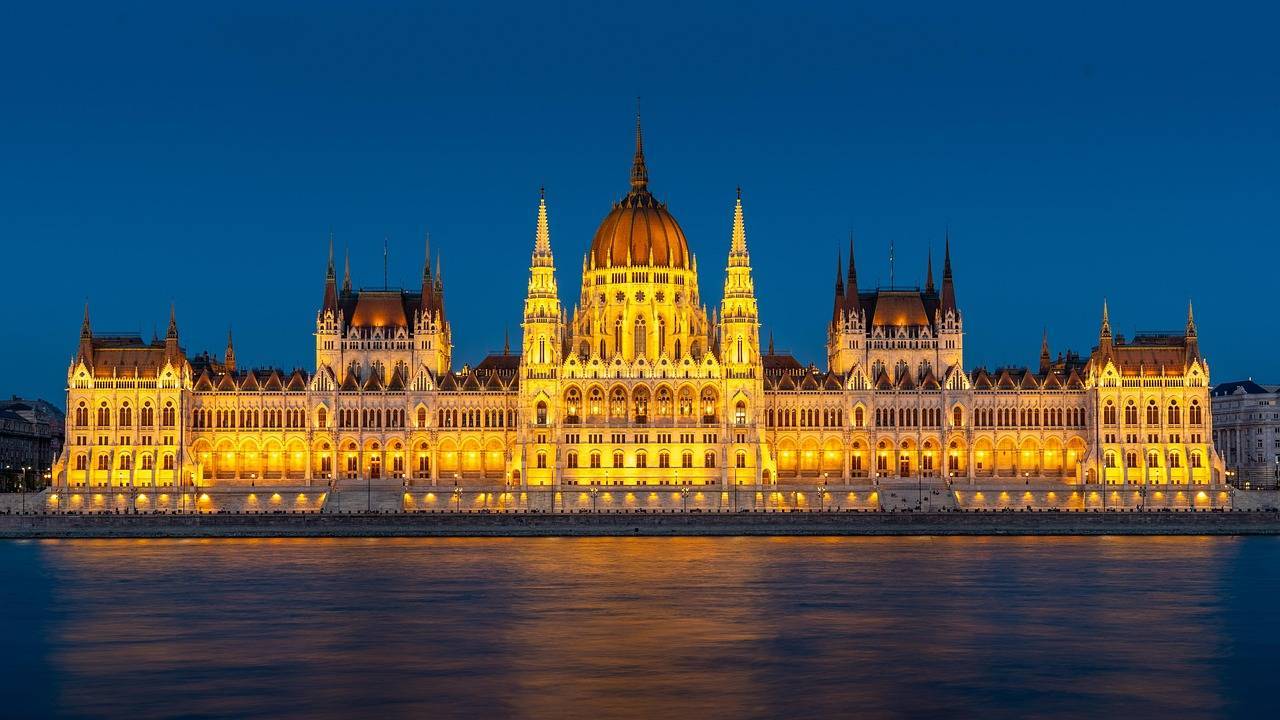
Finally, Budapest greets cyclists with its iconic panorama: the Parliament reflected in the water, and the Royal Castle rising proudly on the Buda side. The route glides past the bustling cafés and riverfront squares of Pest, arriving at the Chain Bridge, a symbolic and scenic place to conclude the ride. Though the journey ends here, Budapest invites you to stay — offering thermal baths, rich culture, and the vibrant energy of one of Europe’s most unforgettable capitals.
Route signage
From Passau to Budapest, EuroVelo 6 is generally well signposted, particularly in Austria and Slovakia. The familiar blue-and-yellow EuroVelo logo is often accompanied by local signage like the Donauradweg (Austria) or Dunajská cyklomagistrála (Slovakia). In Hungary, signage can be more sporadic, especially in rural areas, so carrying a GPX track or navigation app is strongly recommended. Directional markings are reliable in towns and cities, but pay close attention at junctions or detours.
Level of difficulty
This stretch is mostly flat, making it one of the most accessible long-distance cycling routes in Europe. The surface varies: smooth asphalt in Austria and Slovakia, with a mix of paved and compacted gravel paths in Hungary. Short urban sections and bridges may include traffic or cobblestones, but overall the terrain is beginner-friendly and suitable for hybrid, touring, or e-bikes. Even families with children can comfortably ride most sections with appropriate planning.
Public transport
The entire corridor is well-served by rail, particularly in Austria and Hungary. Trains from Passau, Linz, Vienna, Bratislava, and Budapest allow bicycles — often without a reservation — though capacity can be limited during weekends and holidays. Regional trains on the Hungarian side are slower and may require advance tickets for bikes. If you plan to skip sections or adjust your route, trains offer a reliable and flexible option.
Accommodation and infrastructure
Accommodation is plentiful throughout the route, ranging from riverside campsites and guesthouses to hotels and bike-friendly pensions. In high season (June–August), booking ahead is recommended, especially near popular towns like Melk, Vienna, or Esztergom.
Towns and villages along the way usually offer essential services: bakeries, supermarkets, and cafés are frequent in Austria and Slovakia. In Hungary, rural areas may have fewer options, so plan water and snack stops in advance — especially on hot summer days.
Border Crossings & Travel Documents
The route crosses borders between Austria, Slovakia, and Hungary. For EU citizens, no additional paperwork is needed — just carry a valid ID or passport. Crossing points are smooth and usually integrated into the trail (like the cycling bridge from Štúrovo to Esztergom). Be aware that currency changes between countries (Euro in Austria & Slovakia, Forint in Hungary), although many places near the border accept both.
____________________________________________________________________________
Trasa EuroVelo 6 z Passau do Budapesztu to około 700 kilometrów pełnych różnorodnych krajobrazów i niezapomnianych wrażeń. Prowadzi głównie wzdłuż malowniczego Dunaju, który przeplata się z bogatą historią i kulturą regionu. Podczas podróży mijasz urokliwe miasteczka, średniowieczne zamki, barokowe klasztory i nowoczesne miasta, gdzie przeszłość spotyka się z teraźniejszością.
Cała trasa EuroVelo 6 liczy około 3 600 km i przebiega przez 10 krajów, takich jak: Francja, Szwajcaria, Niemcy, Austria, Słowacja, Węgry, Serbia, Chorwacja, Bułgaria i Rumunia, co czyni ją jedną z najdłuższych i najbardziej zróżnicowanych rowerowych podróży w Europie. Najlepszy czas na jej przejazd to okres od maja do września, kiedy pogoda jest zazwyczaj ciepła i przyjemna.
Przebieg trasy, atrakcje
Rozpoczynając w Passau, tętniącym życiem mieście położonym u zbiegu trzech rzek – Dunaju, Innu i Ilzu – trasa zaczyna się pośród brukowanych ulic i pastelowych barokowych kamienic. Nazywane „Miastem Trzech Rzek”, Passau kusi historią i urokiem. Tuż przed startem warto zboczyć z oficjalnego EuroVelo 6 na kilkaset metrów, by odwiedzić imponującą katedrę św. Stefana z jednym z największych organów świata lub przespacerować się bulwarem nad rzeką przy starej części miasta.
Opuszczając Passau, ścieżka szybko wkracza do Austrii, gdzie brzegi Dunaju stają się cichsze i bardziej pastoralne. Trasa płynie przez otwarte krajobrazy, z porośniętymi lasami wzgórzami po obu stronach. Małe miejscowości pojawiają się jak delikatne interpunkcje w krajobrazie.
Jednym z najbardziej zapierających dech w piersiach naturalnych punktów na tym odcinku jest Schlögener Schlinge – spektakularny, 180-stopniowy zakręt Dunaju, gdzie rzeka przecina zalesione wzgórza, tworząc niemal idealną pętlę. Szlak rowerowy biegnie tutaj tuż przy rzece, a ci, którzy zdecydują się wspiąć na punkt widokowy Schlögener Blick, zostaną nagrodzeni panoramicznym widokiem na cały zakręt – to jedno z najbardziej rozpoznawalnych miejsc widokowych na całej trasie EuroVelo 6.
Dla rowerzystów, którzy chcieliby podziwiać ten fragment z perspektywy wody, istnieje również możliwość skorzystania z lokalnego promu przez Dunaj w Schlögen. Ta krótka, ale malownicza przeprawa to nie tylko wyjątkowy sposób na zobaczenie zakola z innej strony, ale także praktyczna opcja kontynuowania trasy bez konieczności objeżdżania całej pętli.
Po dotarciu do Linz, stolicy Górnej Austrii, rytm jazdy się zmienia. Miasto łączy historyczny wdzięk z nowoczesnym designem — szczególnie wyraziste w Ars Electronica Center, muzeum technologii położonym nad rzeką. Najpiękniej prezentuje się wieczorem, kiedy fasada rozświetla się kolorowymi światłami, kontrastując z zmierzchem. Krótka jazda doprowadza do serca Linzu: Hauptplatz, barokowego rynku, i Lentos Art Museum, którego szklany front odbija się w wodach Dunaju. Na pobliskim wzgórzu wznosi się Linzer Schloss, dawny pałac cesarski, teraz muzeum z panoramicznym widokiem na starówkę – idealne miejsce na chwilę zadumy nad połączeniem przeszłości i nowoczesności.
Z Linzu Dunaj kontynuuje swój spokojny bieg, prowadząc rowerzystów malowniczą trasą po południowym brzegu. Z naprzeciwległej strony rzeki leży Grein — urocze miasteczko, do którego warto zjechać z trasy. Stamtąd można dotrzeć do imponującego Greinburg – jednego z najstarszych rezydencjonalnych zamków Austrii, oraz historycznego Grein Theater, pięknie zachowanego XVIII-wiecznego teatru tuż przy rynku.
Trasa zaplata się dalej przez ciche miasteczka i łagodny teren. Ybbs an der Donau i Pöchlarn to mile przystanki z lokalnymi piekarniami, parkami nad rzeką i atmosferą codziennego życia Austrii. Tuż przed Ybbs trasa biegnie przy delikatnym łuku Dunaju — szerokim zakręcie, który tworzy jeden z najbardziej malowniczych fragmentów drogi. W Pöchlarn można odwiedzić Muzeum Oskara Kokoschki, poświęcone ekspresyjnemu malarzowi urodzonemu w tym mieście.
Zbliżając się do Melk, trasa dociera do jednej z najważniejszych atrakcji — opactwa benedyktyńskiego w Melku, dramatycznie usytuowanego nad rzeką. Złota barokowa fasada i bogate wnętrza czynią to miejsce obowiązkowym punktem wycieczki — tylko krótki zjazd z trasy. Wspomniany lekki podjazd nagradza widokami na dolinę Wachau, wpisaną na listę UNESCO.
Przejazd przez Wachau należy do najbardziej malowniczych części EuroVelo 6. Tarasowe winnice, urokliwe wsie jak Dürnstein i Spitz, lokalne knajpki winne – wszystko to tworzy wyjątkowy krajobraz. Krems an der Donau, leżące na wschodnim krańcu Wachau, zaprasza do odwiedzin — zabytkowe uliczki i klimatyczne winiarnie.
Niedaleko trasy znajduje się Tulln an der Donau, miasto ogrodów znane z promenady nad rzeką, otwartych kawiarni i instalacji sztuki publicznej — świetne miejsce na odpoczynek na świeżym powietrzu.
Zbliżając się do Klosterneuburg, krótki podjazd od trasy prowadzi do imponującego opactwa z miedzianymi kopułami. Położone kilka kilometrów przed Wiedniem, zapewnia spokojną perspektywę i szeroki widok — chwila refleksji przed wejściem do tętniącej życiem stolicy.
I wreszcie Wiedeń — trasa doprowadza rowerzystów do miasta, gdzie Dunaj otacza nowoczesne promenady, miejskie plaże i minimalistyczną architekturę. Aby dotrzeć do starówki, warto zrobić krótki zjazd z trasy: w kilka minut znajdziesz się przy Stephansdomie, Hofburgu i słynnym Naschmarkt. Świetne zakończenie – kawa w historycznej kawiarni i kawałek Sachertorte, celebrując zakończenie podróży w eleganckim klimacie cesarskiej stolicy.
Kilka kilometrów dalej trasa zmierza w stronę Bratysławy, kompaktowej i pełnej uroku stolicy Słowacji. Oficjalny szlak omija centrum, ale krótka przeprawa przez Dunaj prowadzi do Starego Miasta — pastelowe kamienice, brukowane uliczki i kawiarnie. Nad wszystkim góruje zamek, z którego rozciąga się panorama na rzekę i widok na Austrię. To idealny moment na zakończenie dnia — kawę, spacer i ciche odczucie ukończonego etapu trasy.
Zaledwie kilka kilometrów za miastem szlak wiedzie przez spokojne tereny chronionego rezerwatu Dunajské luhy. W rejonie Hamuliakovo, trasa prowadzi wzdłuż wałów rzecznych, przez rozległe łęgi i nadbrzeżne lasy – przestrzeń, w której słychać jedynie szum wody, ptaki i odgłosy własnych opon na asfalcie. To idealne miejsce na spokojną jazdę w cieniu drzew i z dala od cywilizacji.
W dalszej części trasy rowerzyści zbliżają się do granicy węgierskiej, mijając malownicze miejscowości takie jak Komárno, miasto dwóch narodów i trzech języków. Tu warto na chwilę zjechać z trasy, by zobaczyć Plac Europy, gdzie każda kamienica reprezentuje inny kraj Unii Europejskiej, oraz odkryć pozostałości dawnych fortyfikacji.
Zbliżając się do granicy, EuroVelo 6 prowadzi do Štúrova – niewielkiego, lecz przyjaznego miasteczka położonego tuż nad brzegiem Dunaju. Rowerzyści chętnie zatrzymują się tu na odpoczynek – czy to w lokalnych kawiarniach, czy na kąpielisku termalnym Vadaš, popularnym latem wśród turystów i mieszkańców regionu. Tuż obok miasta znajduje się Most Maria Valéria, prowadzący pieszo i rowerem do węgierskiego Esztergomu. Widok na bazylikę górującą nad rzeką przyciąga uwagę już z oddali, a panorama z nabrzeża Štúrova daje dobre wrażenie skali i położenia tego historycznego miejsca.
Dalej szlak prowadzi przez spokojniejsze węgierskie wsie i miasteczka. W takich miejscowościach jak Szob, Zebegény czy Nagymaros rzeka i trasa zaczynają wić się wśród wzgórz – to początek spektakularnego zakola Dunaju, jednego z najpiękniejszych widoków w całej Europie Środkowej. W Zebegény, znanej z kolonii artystycznych i wiejskiego klimatu, trasa przebiega tuż przy malowniczej plaży i nabrzeżnym deptaku – idealnym miejscu na piknik z widokiem na rzekę.
Przed dotarciem do Budapesztu, szlak prowadzi przez niezwykle atrakcyjne, malownicze miasteczka, które są esencją węgierskiej kultury. Pierwszym z nich jest Szentendre, nazywane miastem artystów. To miasto, położone na zakolu Dunaju, zachwyca swoimi wąskimi, brukowanymi uliczkami, kolorowymi domami w stylu barokowym i licznymi galeriami sztuki, pracowniami i muzeami. Można tu poczuć klimat śródziemnomorski, mimo że znajdujemy się w sercu Europy.
Ostatnie kilometry wiodą przez zielone obrzeża Budakalasz i nowoczesne, dobrze oznakowane ścieżki rowerowe wzdłuż naddunajskich parków i bulwarów.
Budapeszt, finał podróży, wita rowerzystów imponującą panoramą Dunaju, gdzie elegancki Parlament odbija się w wodzie, a po drugiej stronie wznosi się Zamek Królewski. Trasa prowadzi przez nabrzeże Pesztu, mijając kawiarnie, bulwary i skwery aż do Mostu Łańcuchowego, idealnego miejsca na symboliczne zakończenie wyprawy. Choć to koniec szlaku, Budapeszt zachęca, by zostać – oferując termy, kulturę i wyjątkową atmosferę jednej z najbardziej charakterystycznych stolic Europy.
Oznakowanie trasy
Między Passau a Budapesztem trasa EuroVelo 6 jest na ogół dobrze oznakowana, zwłaszcza w Austrii i na Słowacji. Towarzyszą jej lokalne oznaczenia, takie jak Donauradweg (Austria) czy Dunajská cyklomagistrála (Słowacja). Na Węgrzech oznakowanie bywa mniej regularne, szczególnie na odcinkach wiejskich, dlatego warto mieć ze sobą GPX, aplikację nawigacyjną lub mapę papierową. W miastach i na większych skrzyżowaniach zaleca się zachować czujność — oznaczenia mogą być mniej widoczne lub czasem sprzeczne.
Poziom trudności
Trasa jest w większości płaska i uchodzi za jedną z najłatwiejszych długodystansowych tras rowerowych w Europie. Nawierzchnia bywa zróżnicowana: od gładkiego asfaltu w Austrii i na Słowacji, po odcinki z ubitym żwirem na Węgrzech. W miastach mogą pojawić się krótkie odcinki z ruchem ulicznym lub brukiem. Mimo to, szlak jest odpowiedni nawet dla początkujących rowerzystów, rodzin z dziećmi oraz rowerów trekkingowych i elektrycznych.
Transport publiczny
Cała trasa jest dobrze obsługiwana przez połączenia kolejowe — szczególnie w Austrii i na Węgrzech. Pociągi z Passau, Linzu, Wiednia, Bratysławy czy Budapesztu zabierają rowery, często bez konieczności rezerwacji (choć warto sprawdzić zasady przewozu). W weekendy i święta liczba miejsc dla rowerów bywa ograniczona, więc wcześniejsze sprawdzenie rozkładów jazdy jest wskazane. Na Węgrzech lokalne pociągi są wolniejsze i mogą wymagać biletu na rower.
Noclegi, infrastruktura
Na całej trasie dostępnych jest wiele opcji noclegowych — od kempingów i pensjonatów po hotele czy gospodarstwa agroturystyczne. W szczycie sezonu (czerwiec–sierpień), warto rezerwować z wyprzedzeniem, zwłaszcza w popularnych miejscowościach jak Melk, Wiedeń czy Esztergom.
Sklepy, piekarnie i restauracje są łatwo dostępne w Austrii i na Słowacji. Na Węgrzech, szczególnie w mniejszych wsiach, mogą być większe odległości między punktami usługowymi — warto wtedy wcześniej zaplanować postoje na wodę i jedzenie.
Przekraczanie granic i dokumenty
Trasa prowadzi przez Austrię, Słowację i Węgry. Dla obywateli UE nie są wymagane dodatkowe dokumenty — wystarczy ważny dowód osobisty lub paszport. Granice przekracza się płynnie, często po dedykowanych mostach rowerowych (np. z Štúrova do Esztergomu). Warto pamiętać o zmianie waluty — euro obowiązuje w Austrii i na Słowacji, a na Węgrzech używa się forinta. W wielu miejscach przygranicznych można płacić obiema walutami lub kartą.