category-icon

EuroVelo 5 - Via Romea - official route

3013 km
17174 m
17186 m
Polecamy

Charakterystyka trasy

2025-09-01
category-icon
3013 km
17174 m
17186 m
6/6
EuroVelo 5 – Via Romea (Francigena) is a remarkable European cycling route that blends deep medieval roots with contemporary culture and infrastructure. This route originates from the medieval Via Francigena, a pilgrimage path documented by Archbishop Sigeric of Canterbury in 990. He traveled from Canterbury to Rome and noted the steps of his journey, wchich became the basis for this route. From English cathedral spires, through Alpine passes, to the sunny towns of Italy, this route invites cyclists to ride through history on two wheels.

What is the EuroVelo 5 Cycle route?

EuroVelo 5, also known as Via Romea (Francigena), is a long-distance cycling route that retraces the footsteps of medieval pilgrims traveling from Canterbury to Rome and onward to Brindisi via the ancient Via Appia. Its roots date back to the 10th-century journey of Archbishop Sigeric the Serious and has since evolved into a major cultural and cycling corridor in Europe. On this route, cyclists have the opportunity to see around 20 cathedrals and 21 UNESCO World Heritage Sites, as well as major European institutions located in Brussels, Strasbourg, and Luxembourg.

How long is EuroVelo 5 Cycle route?

The length of the EuroVelo 5 route varies depending on the sources and route variants from 3,000 to 3,900 km (1,864 to 2,423 miles). It stretches from Canterbury in the United Kingdom, all the way to Brindisi in southern Italy. Connecting seven countries, offering cyclists an extraordinary blend of landscapes, starting from the United Kingdom, France, Belgium, Luxembourg, Germany, Switzerland and ending in Italy. The length of the route not only reflects geographical scale, but also centuries of cultural and religious travel, echoing the footsteps of pilgrims and merchants who shaped Europe.

How long does it take to complete the route?

To cycle the entire EuroVelo 5 route from Canterbury to Brindisi, it takes a minimum of 4 weeks for a more experienced cyclist maintaining speed of around 90 km per day (55.9 miles per day). For a more comfortable pace, the trip can take from 6 to 8 weeks, including sightseeing, moderate daily distances and rest days. The EuroVelo 5 route is generally well-marked and its surface are mostly smooth and rideable, combining asphalt, greenways and compact gravel. Before setting off, check the weather and terrain conditions and plan rest days along the way. Also be prepared for short, rougher or unpaved patches and occasional deviations onto quieter roads.

Attractions along the route

The EuroVelo 5 is not just a cycling route, it is a carefully designed journey through the heart of Europe. Here are some of the highlights of the EuroVelo 5 route:

United Kingdom

Canterbury Cathedral (UNESCO) – Historic center of Anglican Christianity.
St. Augustine’s Abbey & St. Martin’s Church – Part of the Canterbury World Heritage Site.
White Cliffs of Dover – Iconic chalk cliffs overlooking the English Channel.
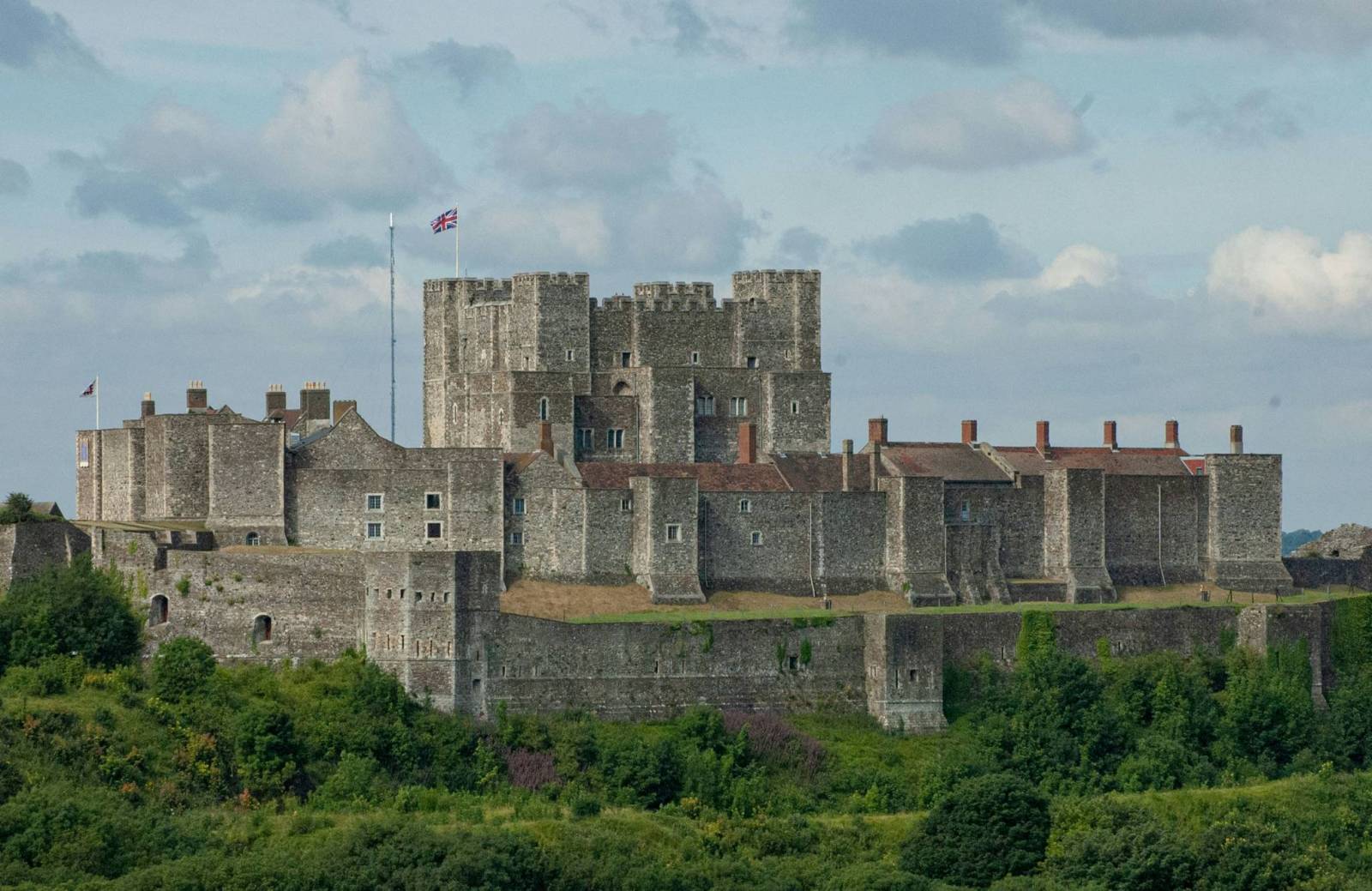
Dover Castle – Strategically placed fortress with Roman and WWII history.

France

Saint-Omer – Cathedral, canals, and marshlands.
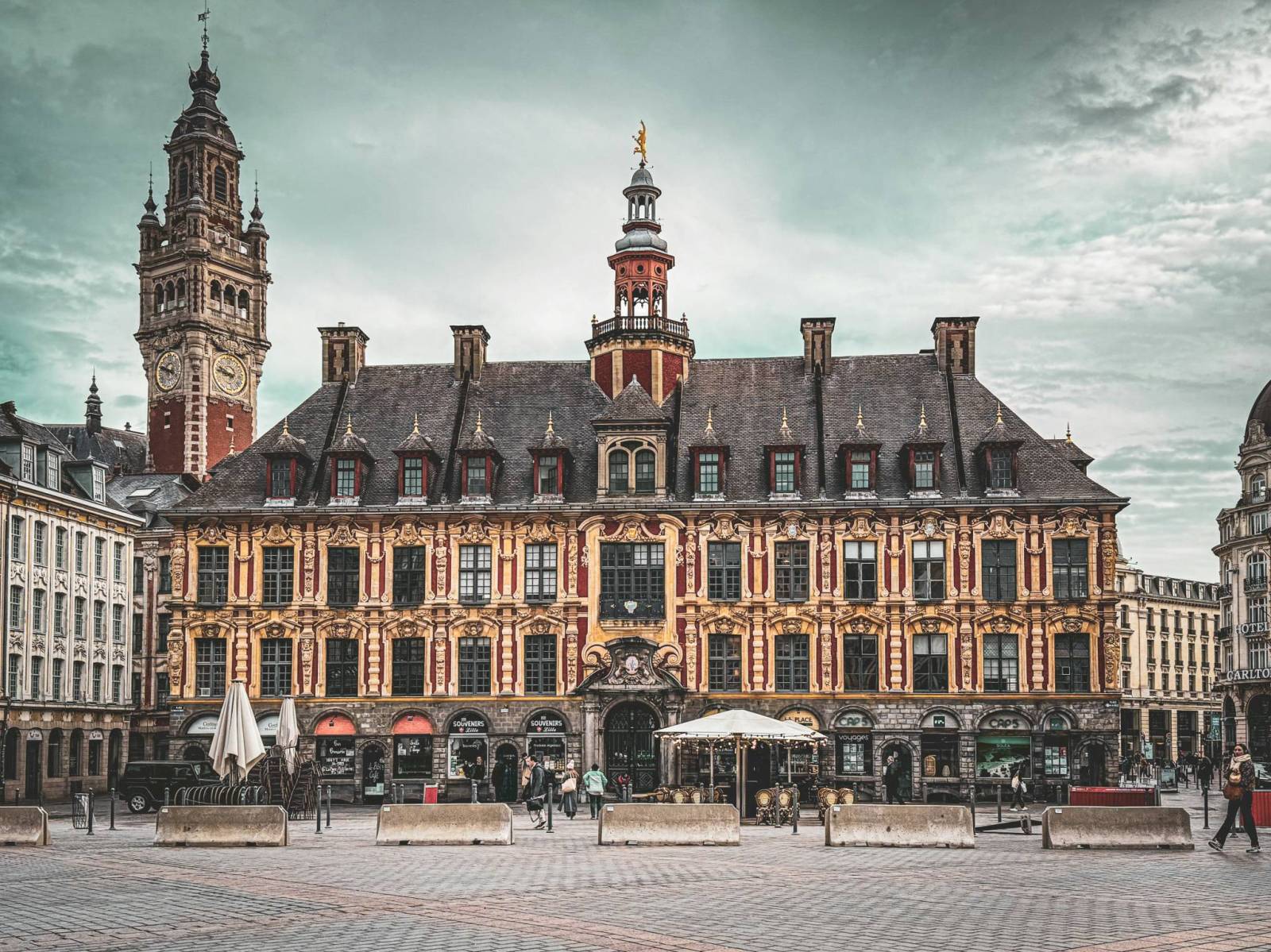
Lille – Capital of French Flanders with Flemish-style architecture and vibrant art museums.
Canal de la Marne au Rhin – Peaceful canal towpaths.
Strasbourg (UNESCO) – Gothic cathedral, Petite France, and European Parliament.
Alsace Wine Route – Vineyards, half-timbered villages (e.g. Riquewihr, Eguisheim).
Vosges Mountains (distant views) – Scenic backdrop along flat greenways.

Belgium

Brussels – Grand Place, Royal Palace, Atomium, European Quarter.
Sonian Forest – UNESCO-listed ancient beech forest.
Namur Citadel – Fortress overlooking Meuse River.
Dinant – Dramatic riverside town with cliffs, fortress, and saxophone heritage.

Luxembourg

Luxembourg City (UNESCO) – Casemates, old quarters, and fortress remains.
Pétrusse Valley – A green cycling corridor through the capital.
Moselle Valley – Vineyards and riverside rides along the German border.

Germany

Völklinger Hütte (UNESCO) – Giant preserved 19th-century ironworks complex.
Saarbrücken – Cultural city with French-German charm.

Switzerland

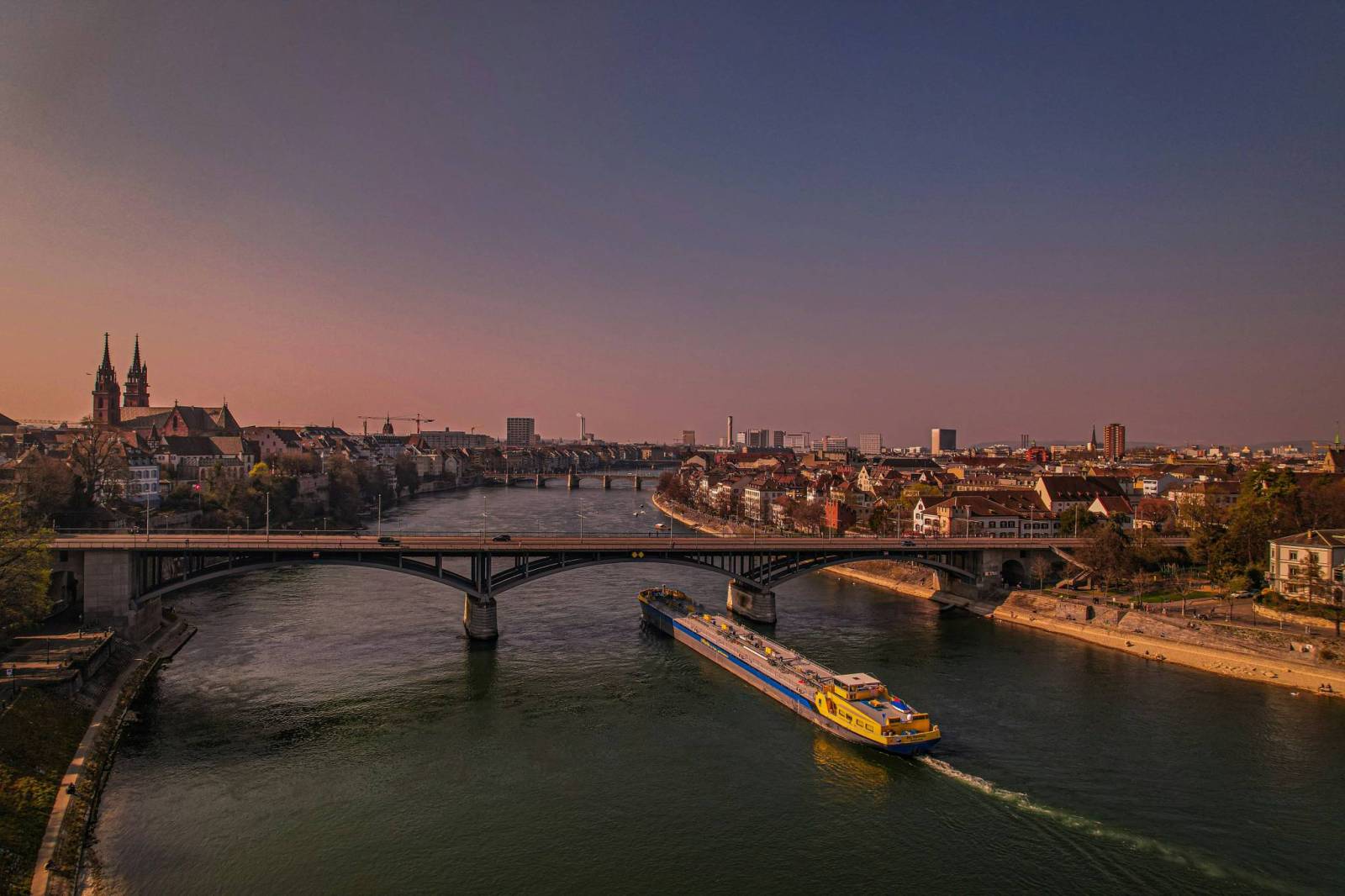
Basel – Art museums, Old Town, and Rhine waterfront.
Lucerne – Wooden chapel bridge and lake.
Gotthard Pass (optional, for adventurous cyclists) – Historic trade route through the Alps.
Bellinzona (UNESCO) – Medieval castles guarding Alpine valleys.

Italy

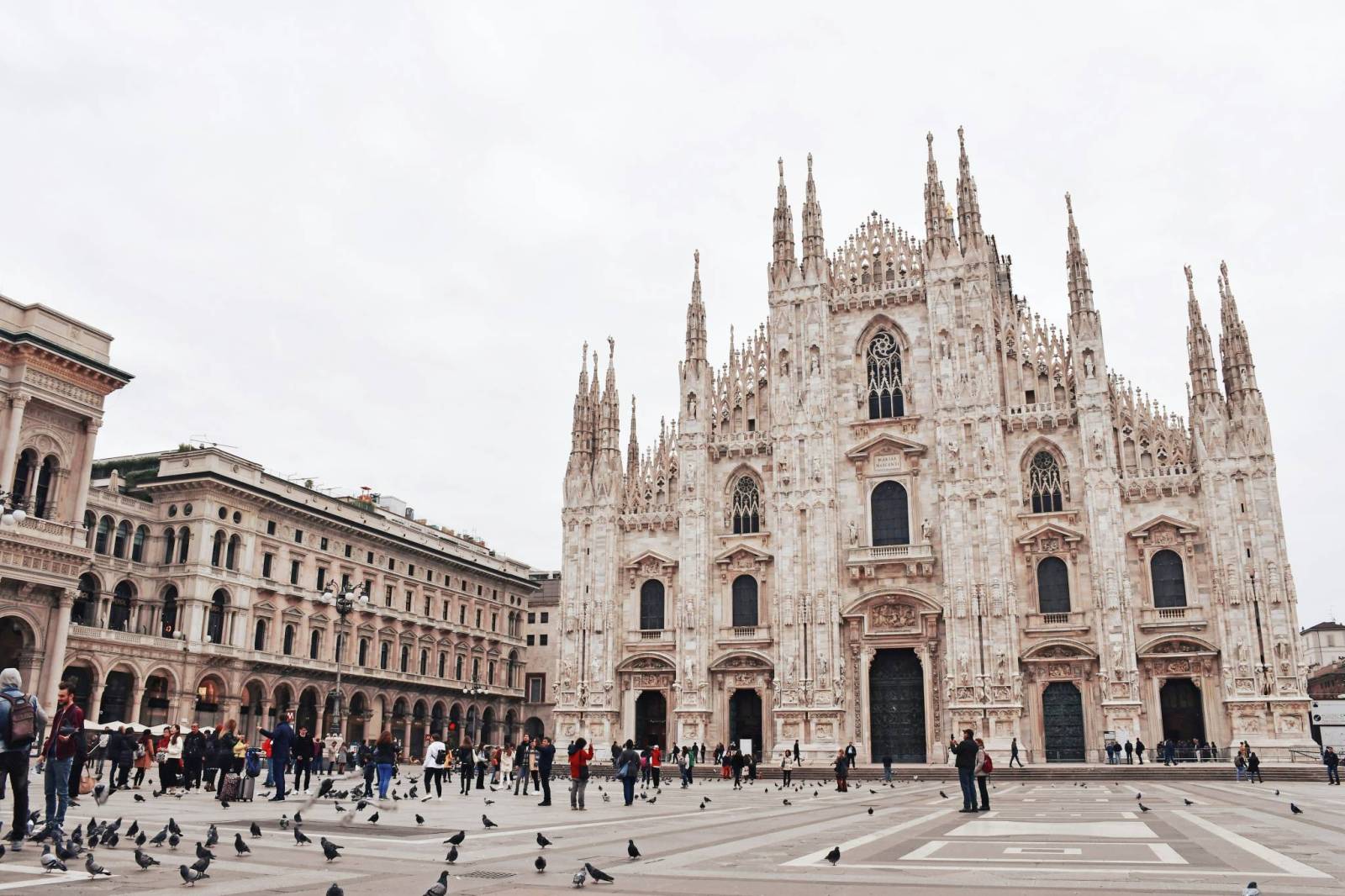
Milan – Cathedral (Duomo), The Last Supper, shopping, canals.
Pavia – Covered bridge, university, and monasteries.
Fidenza – Romanesque cathedral and pilgrim landmarks.
Tuscany (UNESCO) – Rolling hills, San Gimignano, Siena, and Val d’Orcia.
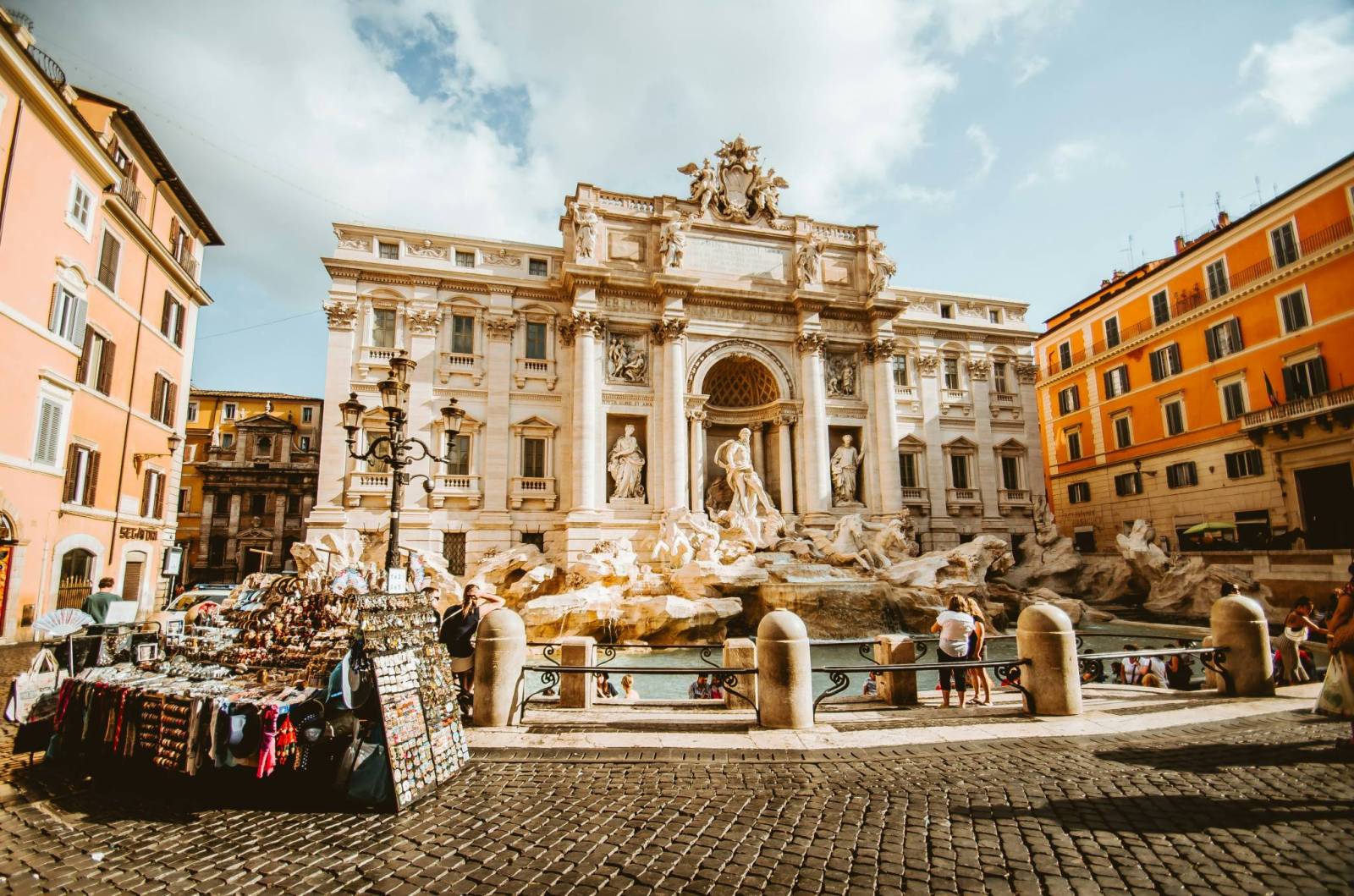
Rome – Colosseum, Vatican, Roman Forum, Pantheon.
Via Appia Antica – Cobbled Roman road leading south from Rome.
Matera (UNESCO) – Cave dwellings and unique architecture.
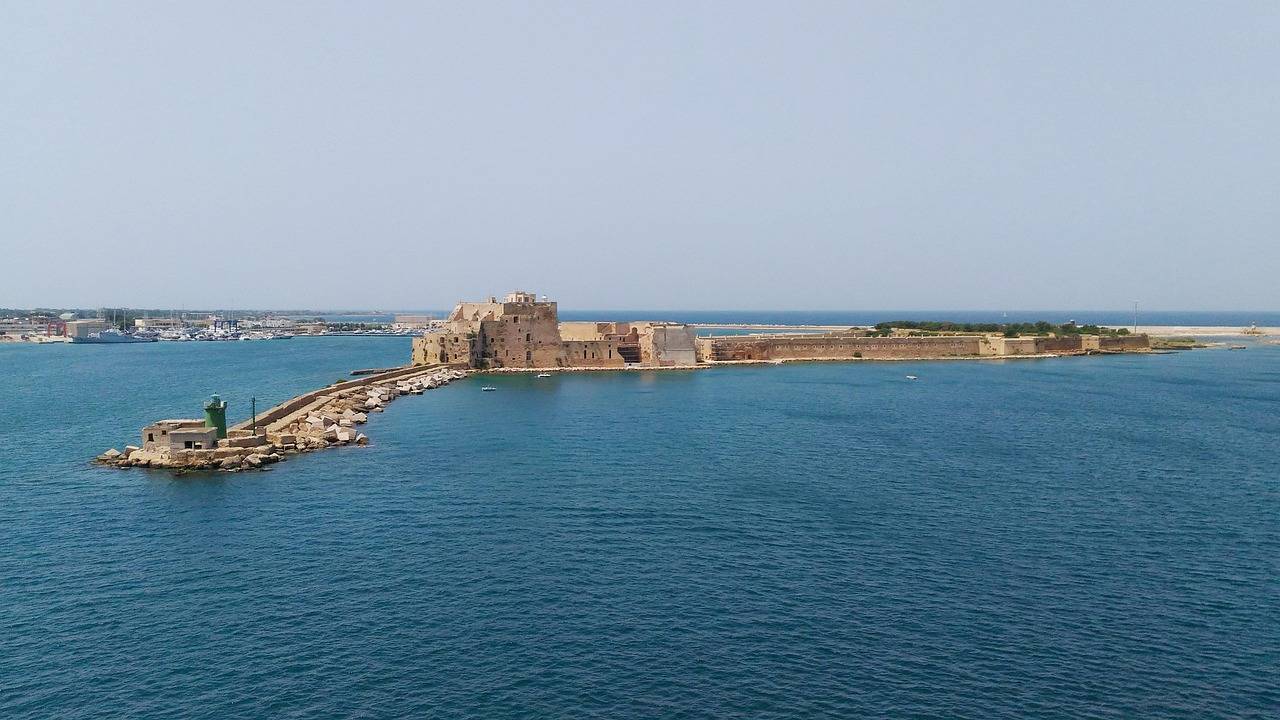
Brindisi – Historic port, Roman columns marking the end of the Appian Way.

Komentarze

NA TEJ TRASIE PRZYDA CI SIĘ MAPA Z NASZEJ APLIKACJI

Langkofel
MAPA TURYSTYCZNA W APLIKACJI TRASEO
Langkofel
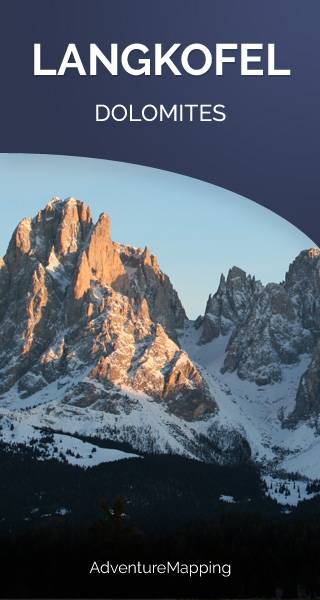
Langkofel (3,181m), inaczej Sasso Lungo, co znaczy Długa Góra – masyw górski w Dolomitach pomiędzy dolinami Val Gardena i Val di Fassa, w pobliżu miejscowości Wolkenstein i Campitello di Fassa.
Sella
MAPA TURYSTYCZNA W APLIKACJI TRASEO
Sella

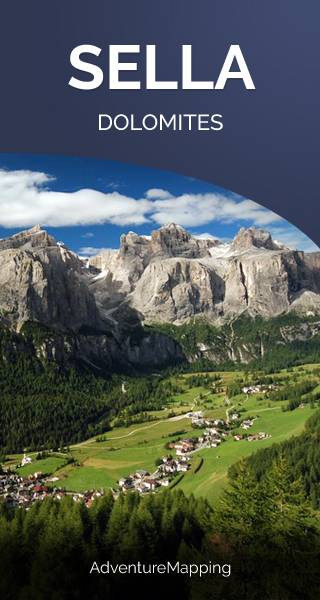
Masyw Sella leży w samym sercu włoskich Dolomitów, na północ od najwyższego szczytu tych gór - Marmolady. Najwyższy szczyt to Piz Boè (3,151 m). Ze względu na tarasowy charakter masywu jest on łatwo dostępny dla niewprawionych turystów, natomiast pionowe ściany tutejszych szczytów upodobali sobie wspinacze.
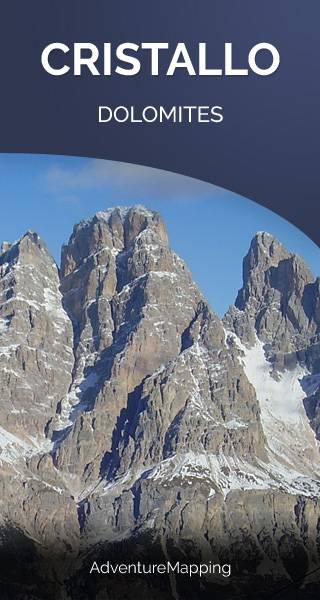
Cristallo
MAPA TURYSTYCZNA W APLIKACJI TRASEO
Cristallo
Cristallo to grupa górska w północnych Włoszech w Dolomitach, na północny wschód od Cortina d'Ampezzo, w prowincji Belluno. Cztery szczyty tej grupy osiągają wysokość ponad 3000 m: Monte Cristallo (3221 m), Piz Popena (3153 m), Cima di Mezzo (3154 m) i Cristallino d'Ampezzo (3008 m). Cima di Mezzo i Cristallino d'Ampezzo można zdobyć poprzez Via ferraty, natomiast Monte Cristallo i Piz Popena wymagają dużych umiejętności wspinaczkowych. (wikipedia.com)
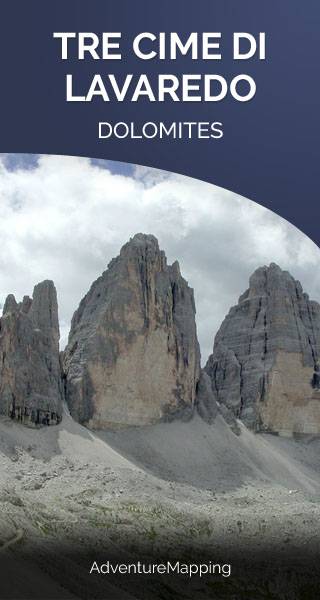
Tre Cime di Lavaredo
MAPA TURYSTYCZNA W APLIKACJI TRASEO
Tre Cime di Lavaredo
Tre Cime di Lavaredo to trzy charakterystyczne szczyty w masywie Dolomiti di Sesto, w pólnocno-wschodniej części Włoch. Najwyższy z nich - The Cima Grande - mierzy 2999 m n.p.m. To jedna z najpopularniejszych turystycznych destynacji we włoskich Dolomitach. Masywy oplata sieć szlaków, z których kilka prowadzi też na wierzchołki.
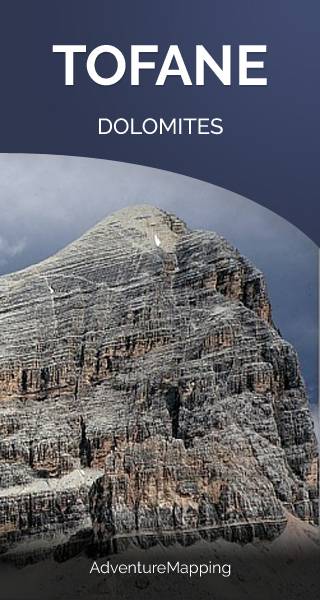
Tofane
MAPA TURYSTYCZNA W APLIKACJI TRASEO
Tofane
Tofane to stosunkowo wysoki i popularny wśród turystów masyw włoskich Dolomitów, położony w prowincji Belluno. W górne partie prowadzi tutaj sieć kolejek linowych z miejscowości Cortina d’Ampezzo.. Najwyższym szczytem masywu jest Tofana di Mezzo (3 244 m), natomiast Tofana di Rozes (3 225 m) to najwyższy szczyt Dolomitów, na który można wejść, nie posiadając sprzętu ubezpieczającego.
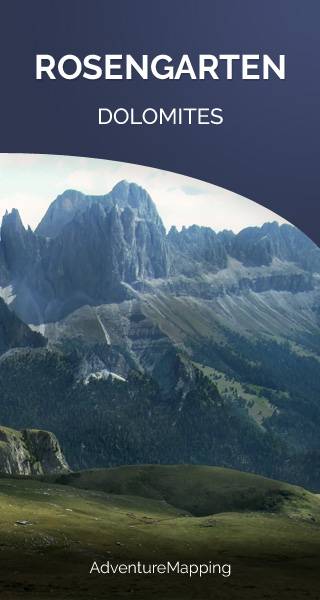
Rosengarten
MAPA TURYSTYCZNA W APLIKACJI TRASEO
Rosengarten
Rosengarten to masyw włoskich Dolomitów rozciągający się pomiędzy Tierser Tal i Eggental w Południowym Tyrolu a Fassa Valley w Trentino. Jest średniej wysokości, za to mocno oblegany przez turystów, którzy przyjeżdżają głównie do jego wschodniej części. Tutaj wokół gór znajdują się piękne zielone łąki i funkcjonują górskie kurorty. Jest to też region o największym w Dolomitach zagęszczeniu schronisk turystycznych.