Winding through peaceful borderlands and hidden cultural gems, the Hungarian and Slovenian section of EuroVelo 13 route offers a rich blend of history, nature and local traditions. This route takes cyclists through lush forests, traditional villages and peaceful countryside shaped by the legacy of the Iron Curtain. Along the way, you’ll encounter national parks, medieval towns, thermal spas and wooden churches that speak to the deep roots of the region.This lesser-known part of the Iron Curtain Trail encourages a slow travel, rewarding those who seek authenticity, regional flavors and history etched into every curve of the road.
What is the EuroVelo 13 Cycle route?
EuroVelo 13, also known as the Iron Curtain Trail, is a long-distance cycling route in Europe that follows the former Cold War border, the “Iron Curtain”, stretching from the northernmost point at the Barents Sea down to the Black Sea. It is approximately 10,550 km long and passes through 20 countries. The route is more than just a cycling trail, it’s a living history lesson about Europe’s division during the Cold War and what came after. The etire route is characterized by a very varied landscapes, such as the remote wildernesses of northern Lapland, the forests, rivers, plains in Central Europe, vineyards in Austria and Czechia, mountainous borders between Bulgaria and Greece and coasts of the Baltic Sea.
How long is this section of the route?
This section of the EuroVelo 13 cycle route is approximately 180 km long. It begins in Kőszeg, a historic town near Hungary's western border, and ends in Letenye, close to the Croatian border, still within Hungary. Most of the route is paved, quiet, safe, scenic and pleasant roads. The noisier or more traffic‑exposed bits are rare, but they do exist. The route is accessible in terms of amenities, there are now more cycle‑friendly services like bike repair and rental, rest areas, accommodation for cyclists and electric bike charging. This segment of EuroVelo 13 offers a scenic and peaceful ride with historical context, cultural landmarks and natural beauty.
How long does it take to complete this section of the route?
This section of the EuroVelo 13 cycle route usually takes between 3 to 4 days, assuming a moderate pace with breaks. However, this depends on indyvidual pace, numeber of stops for rest and sightseeing along the route, and also the weather. More experienced cyclists who maintain a good pace can complete the entire route in 2 days. Much of it follows low-traffic country roads and designated cycle routes through small villages and natural areas, mostly on asphalt, with plenty of places to stop, take a break and explore. This makes the route suitable for most bikes, including children’s bikes and trailers, and is great for dividing the route into manageable parts for kids.
Is Hungary good for cycling?
Hungary is a very good place for cycling, especially for leisure cycling and cyclotouring. Hungary is investing heavily in cycling infrastructure. In recent years, many kilometers of cycle paths have been built and designated. Hungary also has a “cycling‑friendly service” program, which includes many certified service providers such as, accommodation, shops, rest stops and more, currently numbering nearly 700 of them. Hungary itself is incredibly diverse, from lakes like Balaton, thermal baths, rolling countryside, national parks, quaint villages, vineyards and historical towns perfect for relaxing and scenic journey. Therefore, it offers very rewarding experiences for many kinds of cyclists.
Attractions along the route
This section of the EuroVelo 13 cycling route offers many attractions, such as:
Kőszeg
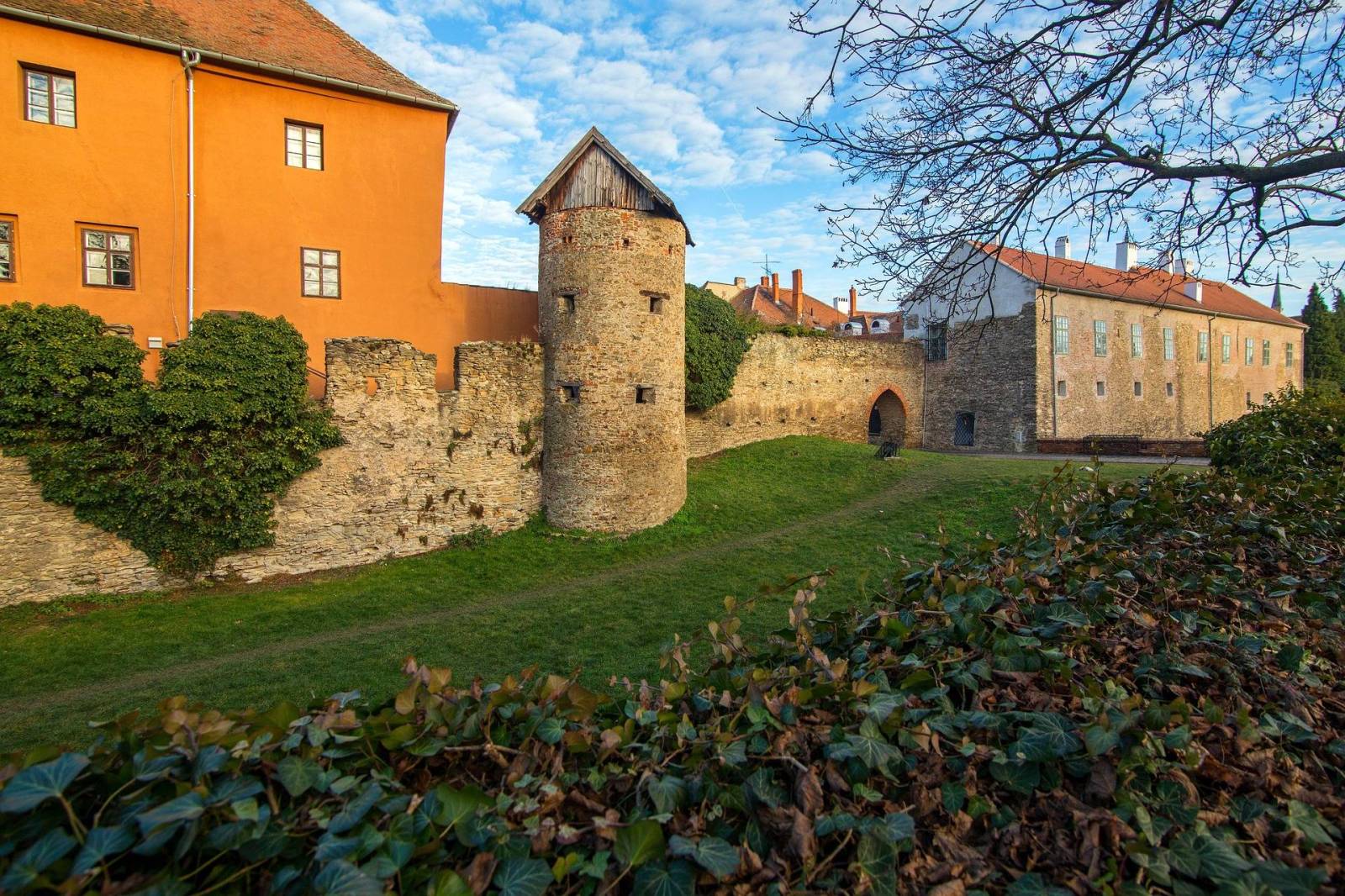
Town in Hungary with a charming old town, chapels and the historic Jurisics Castle (Jurisics‑Vár).
Írottkő Nature Park
Located near Kőszeg, full of hiking trails, educational nature paths and picturesque mountain views.
Őrség National Park
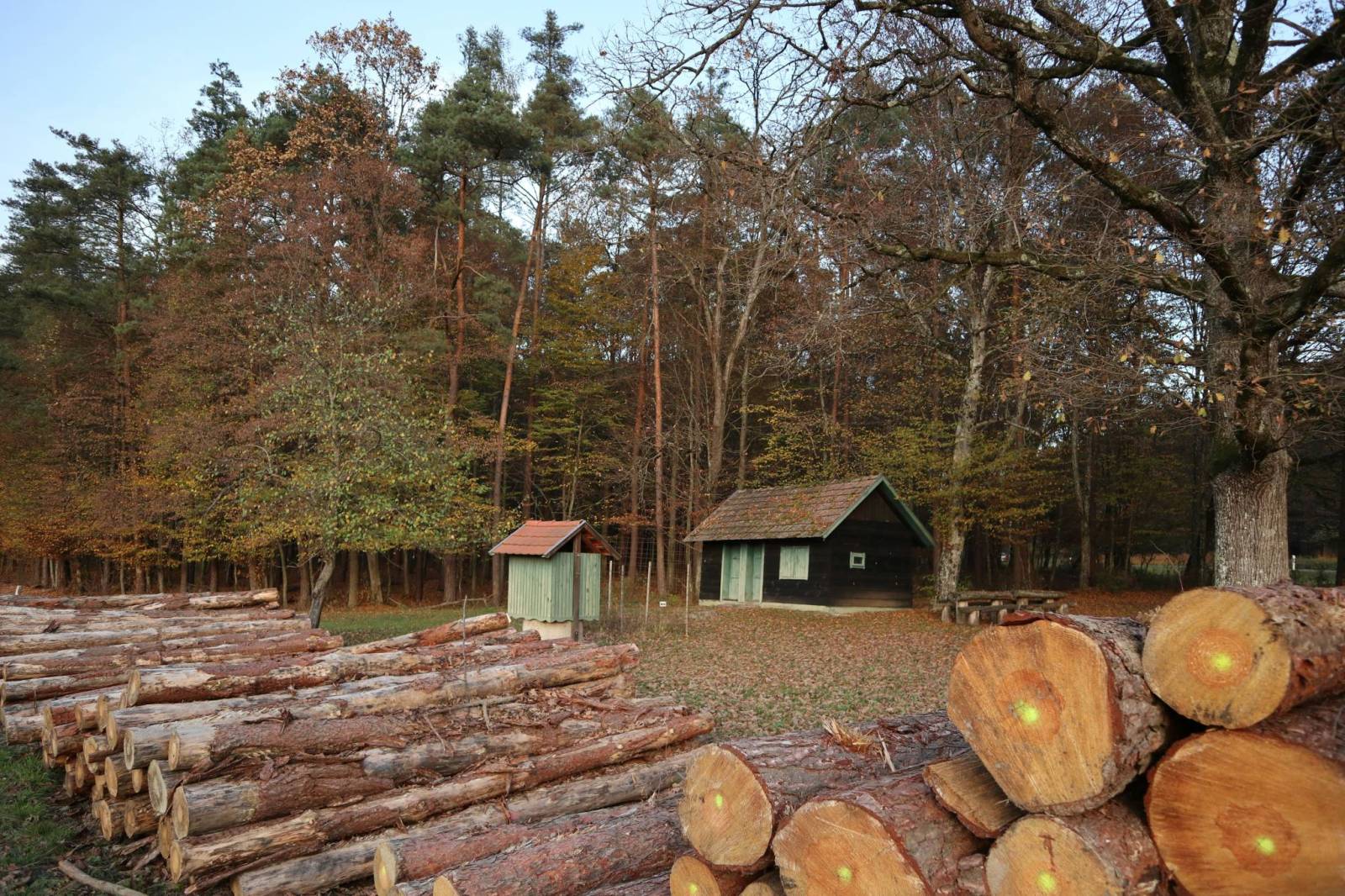
With a visitor centre located in Őriszentpéter, which offers many informations about local flora and fauna, as well as nature programs and trails.
Szalafő
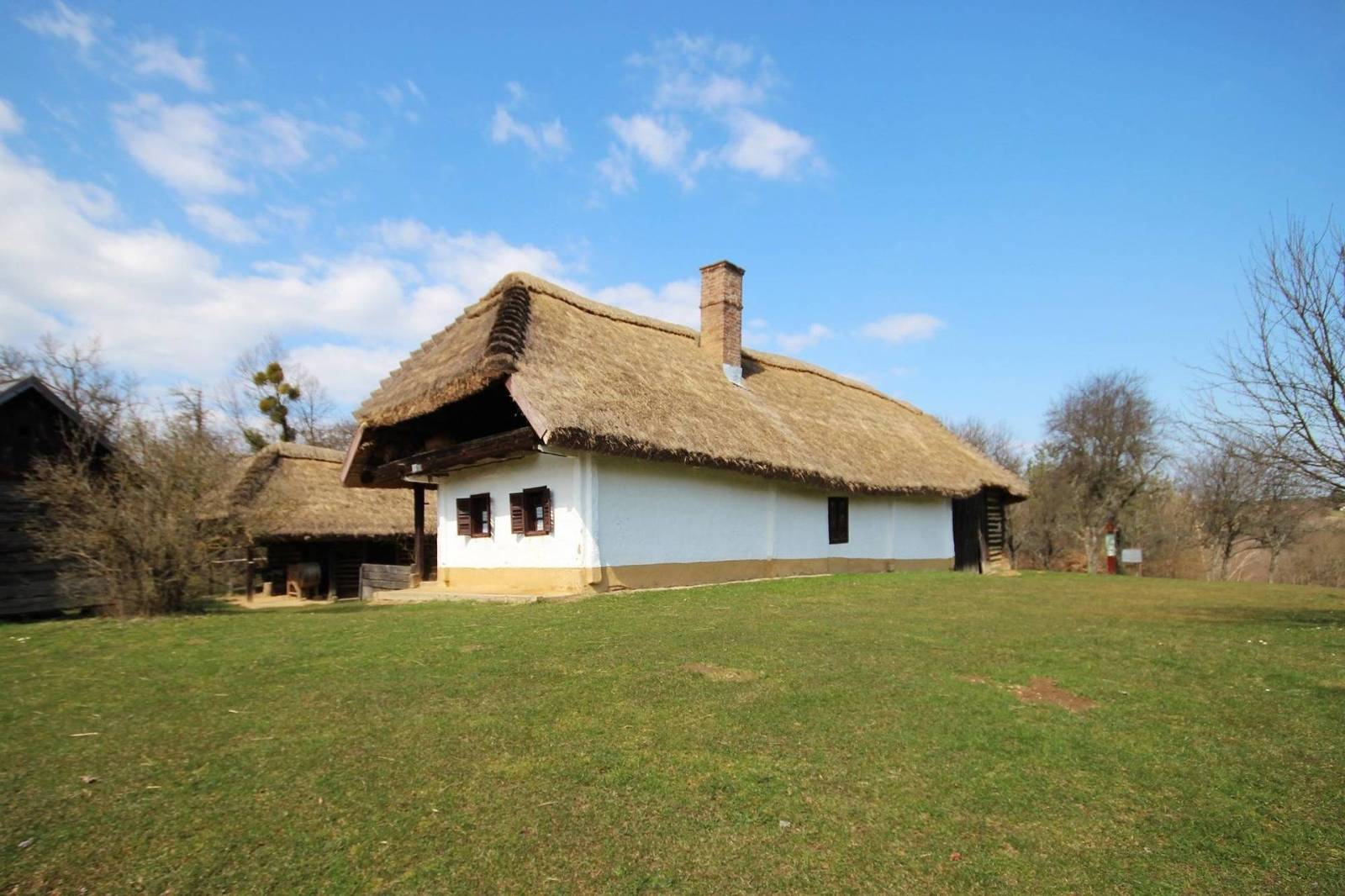
Village located in Őrség National Park, where you can experience local everyday culture and see local folk‑houses and craft traditions, surounded by the history of pumpkin seed oil production in this regions.
Lenti
Town, with a large spa complex with indoor and outdoor pools, medicinal‑water features, saunas and water slides. Perfect place to rest or to relax after a long day of cycling, even for families traveling with children.
Letenye area
Letenye itself is more modest in terms of big tourist attractions, but the region offers many small villages with local vineyards and rich wine culture.