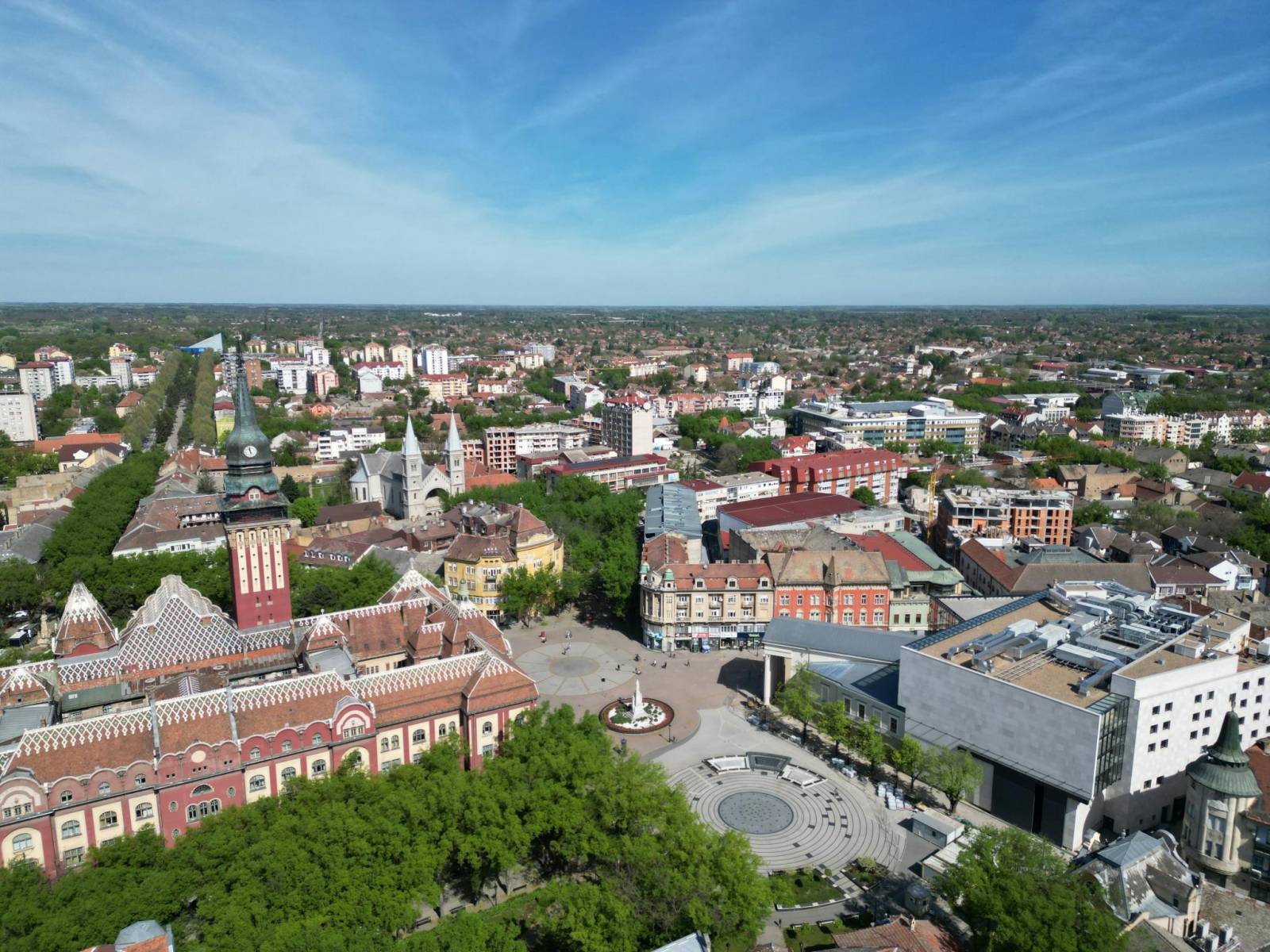
Winding through the quiet borderlands of southern Hungary and northern Serbia, this section of EuroVelo 13 reveals a region shaped by history and resilience. Cyclists traverse through open plains, peaceful villages and culturally rich towns like Subotica and Kikinda, where Central European and Balkan influences meet. The trail offers a rare combination of architectural heritage, nature reserves and traces of Cold War legacy, all set against the backdrop of gentle landscapes, low traffic roads and the warm hospitality of rural communities.
What is the EuroVelo 13 Cycle route?
EuroVelo 13, also known as the Iron Curtain Trail, is a long‑distance cycling route of approximetely 10,550 km long, crossing around 20 countries from north to south, from the Barents Sea down to the Black Sea. Tracing the path of the former “Iron Curtain”, the heavily fortified border that divided Europe into East and West during the Cold War. Many sections follow borderlands where for decades human access was restricted, which allowed nature to persist or reclaim territory. That gives the route a rich natural heritage: forests, rivers, wetlands, marshes and wildlife habitats. It’s not just about scenic cycling, but also about understanding the history. Cycling this route means traversing through places that lived through Europe’s division, seeing evidence of that division, and seeing how things have changed since.
How long is this section of the route?
This section of the EuroVelo 13 cycle route is approximately 240 km long and starts in Csátalja, Hungary and ends in Kikinda, Serbia. Many sections are well‑paved and quite flat, especially near towns or where the route has been upgraded. However, some segments are unpaved or rough, especially in rural, border or nature reserve areas. These may be less smooth and more challenging. The route can be done with a trekking or touring bike, you don’t necessarily need a mountain bike. Therefore, the accessibility of this route is pretty good for people with decent cycling gear, but if you want comfort and to minimize difficulties, a bike with wider tires will be better for the gravel sections.
How long does it take to complete this section of the route?
This section of the EuroVelo 13 cycle route usually takes between 3 to 4 days to complete at comfortable pace, but still depends on stops, terrain and weather. More experienced cyclists wanting to ride more hours per day can complete the entire section in 1 to 2 days. This section of the trail offers relatively safe, flat terrain and low-traffic roads, which makes it more manageable for younger or less experienced cyclists, as well as for families with children. With the right equipment, the route offers a quiet and educational ride through peaceful landscapes shaped by history.
Is Serbia good for cycling?
Serbia has a lot to offer to cyclists, especially those who like mixed experiences: culture, nature, less crowded routes. The country is increasingly seen as a good destination for bike tourism, offering many appealing routes and a lot of variety. For those who enjoye more leisurely rides or are travelling with children, flat terrain are available. The northern parts are gentle, good for touring, relaxing relaxing rides along rivers, through towns, with cultural and historical stops. There is also an official support for cycle tourism. Serbia has “Bike Friendly” certification programs for hotels, municipalities, etc., aimed to improve services for cyclists.
Attractions along the route
This section of the EuroVelo 13 cycling route offers many attractions, such as:
Subotica
City in Serbia, famous for its Art Nouveau architecture. It hosts one of the largest collections of buildings in that style in Serbia. A must-see is the Subotica City Museum, which holds archaeological, ethnographic, artistic, historical and natural‑history collections, and the Porcelain Museum, housing a unique regional collection of over 2,000 porcelain exhibits.
Lake Palić
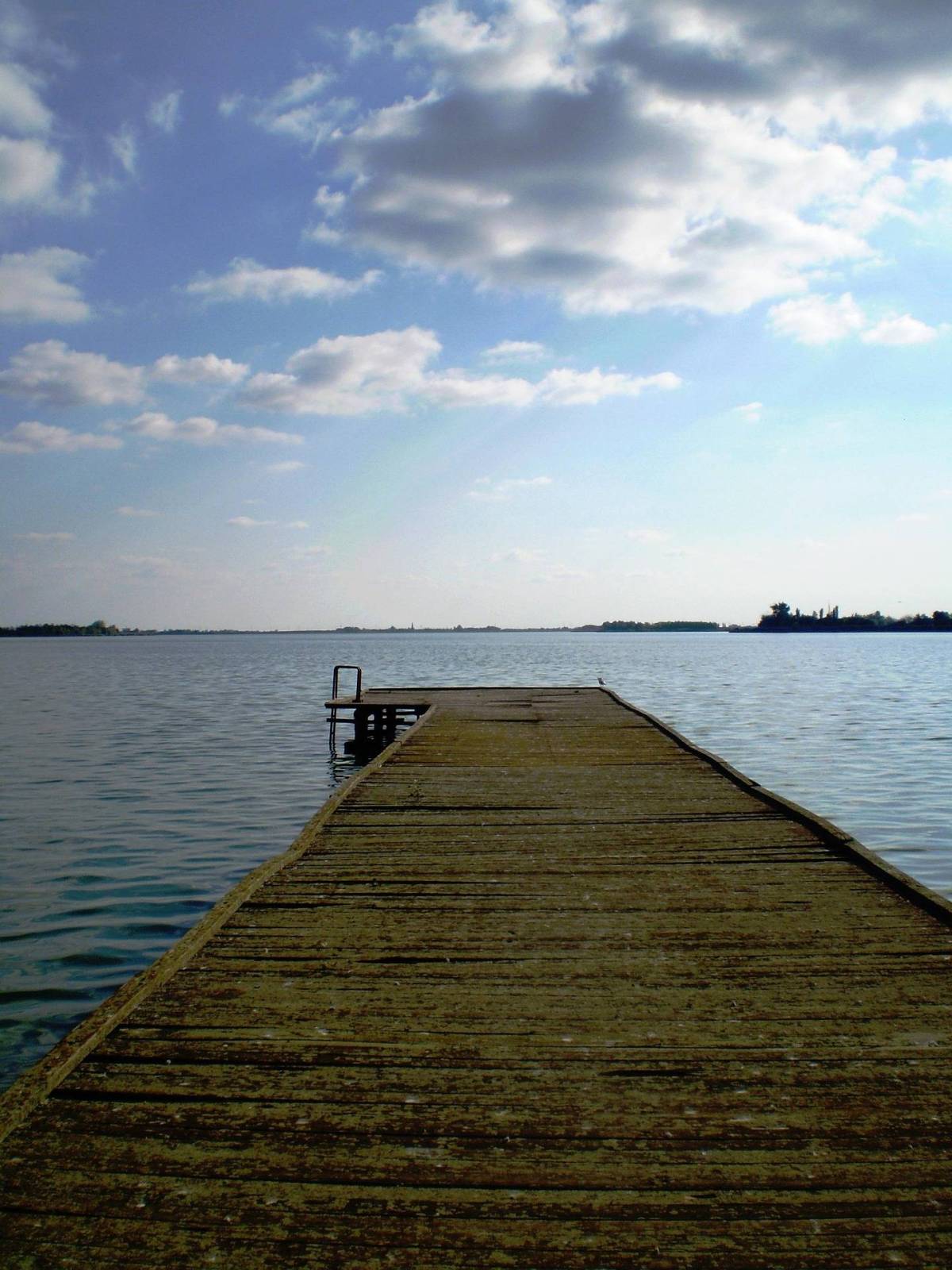
Lacated near Subotica, a popular spot for relaxation, walks, restaurants and picturesque views.
Kikinda
City in Serbia, very famous for its annual events such as the Pumpkin Festival. While here, it is worth visiting the Kikinda National Museum, with broad collections: archaeology (including artifacts from the Late Stone Age to the Middle Ages), ethnology, history, fine arts, natural history, and the Terra Museum, an outdoor and indoor terracotta sculpture museum, located on the outskirts of the city. It features monumental terracotta works from both local and international artists.
Bácsalmás
Small town in Hungary, with local museums or exhibitions in small villages, presenting regional culture.
Szeged
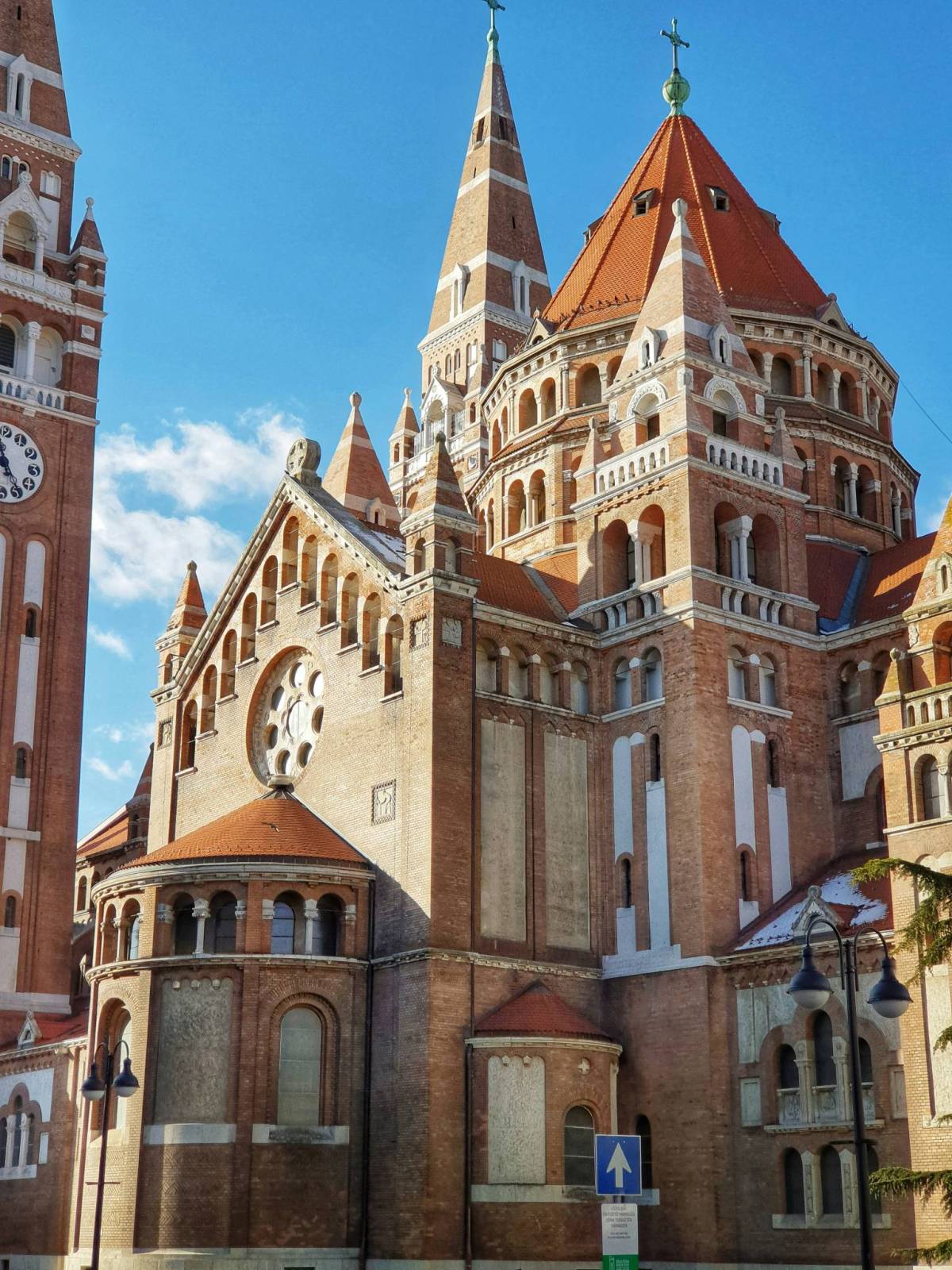
City in Hungary, major regional center with cultural sites, with a wide range of amenities, city architecture and culinary culture.